The
defects in
Cadmium Zinc Telluride (CZT) crystals play a crucial role in determining the material’s
electrical properties,
charge transport characteristics, and ultimately its
performance in applications like
radiation detection,
medical imaging, and
nuclear monitoring. Since CZT is often used in high-performance environments, such as
gamma-ray and
X-ray detectors, the presence of defects can significantly impact
energy resolution,
efficiency,
sensitivity, and
long-term stability. These defects can be
intrinsic (arising naturally during crystal growth) or
extrinsic (introduced during processing, doping, or from environmental exposure).
Here is a detailed overview of the
most common defects found in CZT crystals:
## 1. Vacancies
Vacancies are
lattice defects where an atom is missing from its normal position in the crystal lattice. In CZT, vacancies can occur in both the
cadmium (Cd),
zinc (Zn), and
tellurium (Te) sites.
*
Cadmium Vacancies: These vacancies are particularly problematic because they create
local charge imbalance and can act as
trap sites for charge carriers (electrons and holes), leading to
recombination before the charges can be collected by the electrodes. This significantly reduces the
charge collection efficiency and
energy resolution.
*
Tellurium Vacancies: These can also form
deep traps in the energy spectrum and lead to similar problems with charge carrier recombination. In the case of
zinc-rich CZT, vacancies in the tellurium sublattice are more prevalent, affecting the overall
performance of the detector.
## 2. Interstitials
An
interstitial defect occurs when an atom occupies a position in the lattice that is normally unoccupied, typically in the spaces between the regular atomic positions. These defects often introduce
distortions in the crystal lattice, impacting
charge transport and the overall structural integrity of the material.
*
Cadmium Interstitials: These are relatively common and can lead to
local electric fields within the material, which disrupt the smooth flow of charge carriers and contribute to
increased recombination.
*
Tellurium Interstitials: Similar to cadmium interstitials,
tellurium interstitials can cause
charge trapping and reduce the
efficiency of charge transport within the detector, leading to poor
energy resolution.
## 3. Antisite Defects
Antisite defects occur when
cadmium or
zinc atoms occupy the wrong sites in the crystal lattice, such as when a
cadmium atom replaces a
zinc atom or vice versa. This can disrupt the
electrical properties of the crystal, as it introduces local charge imbalances and can create
deep energy states that act as
traps for charge carriers.
*
Cd-Zn Antisite Defects: In CZT, these defects can occur when
cadmium atoms replace
zinc atoms in the crystal lattice. The occurrence of these antisite defects is particularly relevant in
zinc-rich CZT materials and can lead to a significant reduction in
charge transport efficiency and
energy resolution.
*
Te-Cd Antisite Defects: These can form when
cadmium atoms replace
tellurium atoms, resulting in
distorted lattice regions that affect the overall performance of the detector.
## 4. Grain Boundaries
Grain boundaries are interfaces between
crystallites (grains) in polycrystalline CZT material. These boundaries can introduce a variety of
structural defects, such as
dislocations and
misalignments, that affect the
charge transport properties. The quality of the grain boundaries plays a significant role in
charge collection efficiency.
*
Impact on Performance: Grain boundaries can trap
charge carriers, causing
recombination before the carriers can be collected by the electrodes. This is particularly problematic for
energy resolution and
signal-to-noise ratio in radiation detectors. In polycrystalline CZT,
low-quality grain boundaries can severely degrade the
detector performance.
*
Material Processing: The formation of high-quality
single-crystal CZT is essential for minimizing the influence of grain boundaries and improving
detector stability and
response time.
## 5. Dislocations
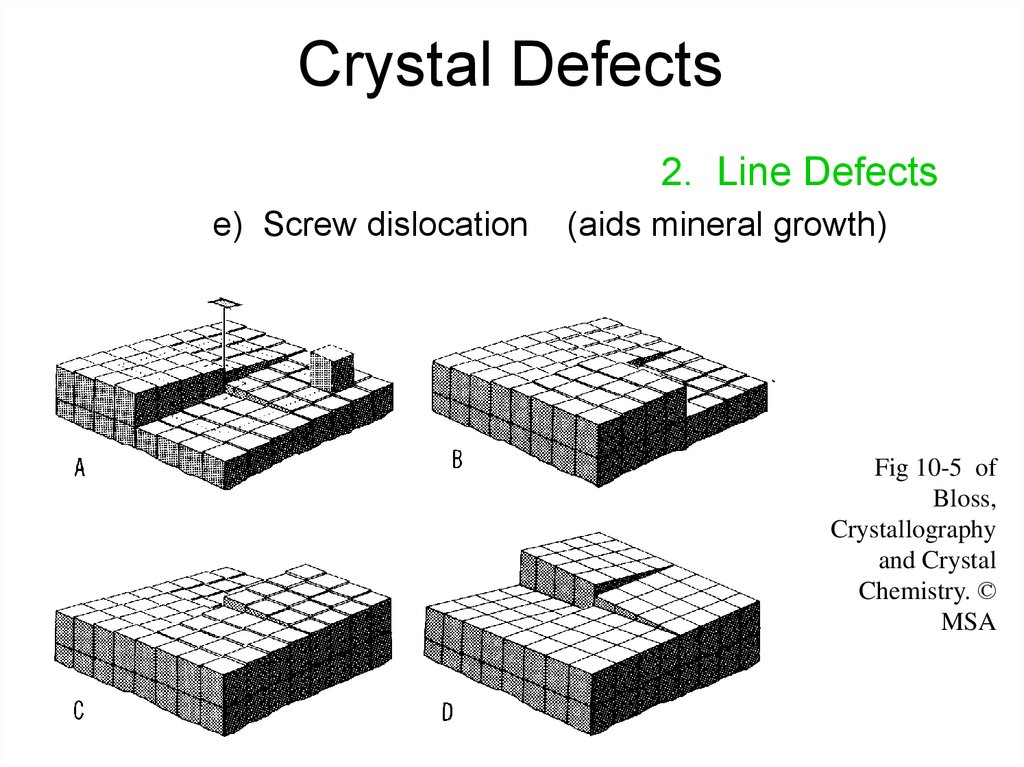
Dislocations are line defects that occur when there is a misalignment in the atomic planes of the crystal lattice. These defects can create regions of
strain in the crystal, disrupting the uniformity of the material and affecting its
electrical properties.
*
Impact on Charge Transport: Dislocations create
localized areas of stress that hinder the movement of charge carriers, leading to
reduced mobility and
lower charge collection efficiency. In radiation detectors,
dislocations can also lead to
increased noise and
decreased energy resolution.
*
Sources of Dislocations: Dislocations can be introduced during the
crystal growth process or as a result of
thermal expansion and
contraction during processing, especially when the crystal is subjected to rapid temperature changes.
## 6. Te-related Defects (Tellurium Clusters)
Tellurium clusters are
aggregates of
tellurium atoms that do not bond properly within the crystal lattice, leading to
localized regions of defect states.
*
Deep Traps: These tellurium-related defects act as
deep traps for charge carriers, especially
electrons, and can significantly reduce
charge collection efficiency. They are particularly problematic in
high-energy photon detection applications where fast response times are critical.
*
Impact on Energy Resolution: The presence of these
deep trap states contributes to
increased recombination of charge carriers and worsens the
energy resolution of the detector.
## 7. Tellurium Excess and Cadmium Deficiency
In CZT, there can be an excess of
tellurium (Te) or a deficiency of
cadmium (Cd) during the
crystal growth process. These imbalances can result in
non-stoichiometric compositions, leading to the formation of
defects in the material.
*
Excess Tellurium: When there is excess tellurium,
tellurium-rich regions can form, which often leads to
increased carrier trapping and
lower mobility of charge carriers. These defects affect the
energy resolution and overall
sensitivity of the detector.
*
Cadmium Deficiency: A deficiency of cadmium can lead to
reduced electron density, affecting the
overall conductivity of the material and potentially causing
insufficient charge collection.
## 8. Doping-Induced Defects
Doping is often used to optimize the electrical properties of CZT for specific applications. However, the
doping process can introduce
defects that affect the
performance of the material.
*
Zn Doping: The substitution of
cadmium with
zinc introduces
zinc-related defects such as
Zn vacancies or
Zn antisites that can act as
trap sites and reduce
charge transport efficiency.
*
Increased Defect Density: Excessive doping or improper doping can increase the
defect density, which leads to
charge carrier scattering and
lower overall detector performance.
## 9. Thermal and Radiation-Induced Defects
CZT detectors are often used in
radiation environments, and exposure to high levels of radiation can create new
defects in the material over time.
*
Radiation Damage:
High-energy radiation can displace atoms in the crystal lattice, creating
vacancies,
interstitials, and
extended defects. These radiation-induced defects can
degrade the performance of CZT detectors, leading to
increased leakage current,
reduced energy resolution, and
lower detection efficiency over time.
*
Thermal Effects: The temperature changes during
thermal cycling (such as during
detector operation) can also introduce
defects in the CZT crystal structure, exacerbating the overall
performance degradation.
## 10. Conclusion
The
performance of
CZT detectors is strongly influenced by a variety of
defects present in the crystal lattice. The most common defects include
vacancies,
interstitials,
antisite defects,
grain boundaries,
dislocations,
tellurium-related defects, and
doping-induced defects. These defects can act as
trap sites for charge carriers, leading to
recombination,
lower charge collection efficiency, and
reduced energy resolution.
Addressing these defects requires careful control of the
crystal growth process,
doping techniques, and
material processing to minimize their impact and maximize the
performance of CZT in
radiation detection applications.
CdZnTe Association (CdZnTe.com)
https://www.cdznte.com/blog/what-are-the-most-common-defects-found-in-czt-crystals.html