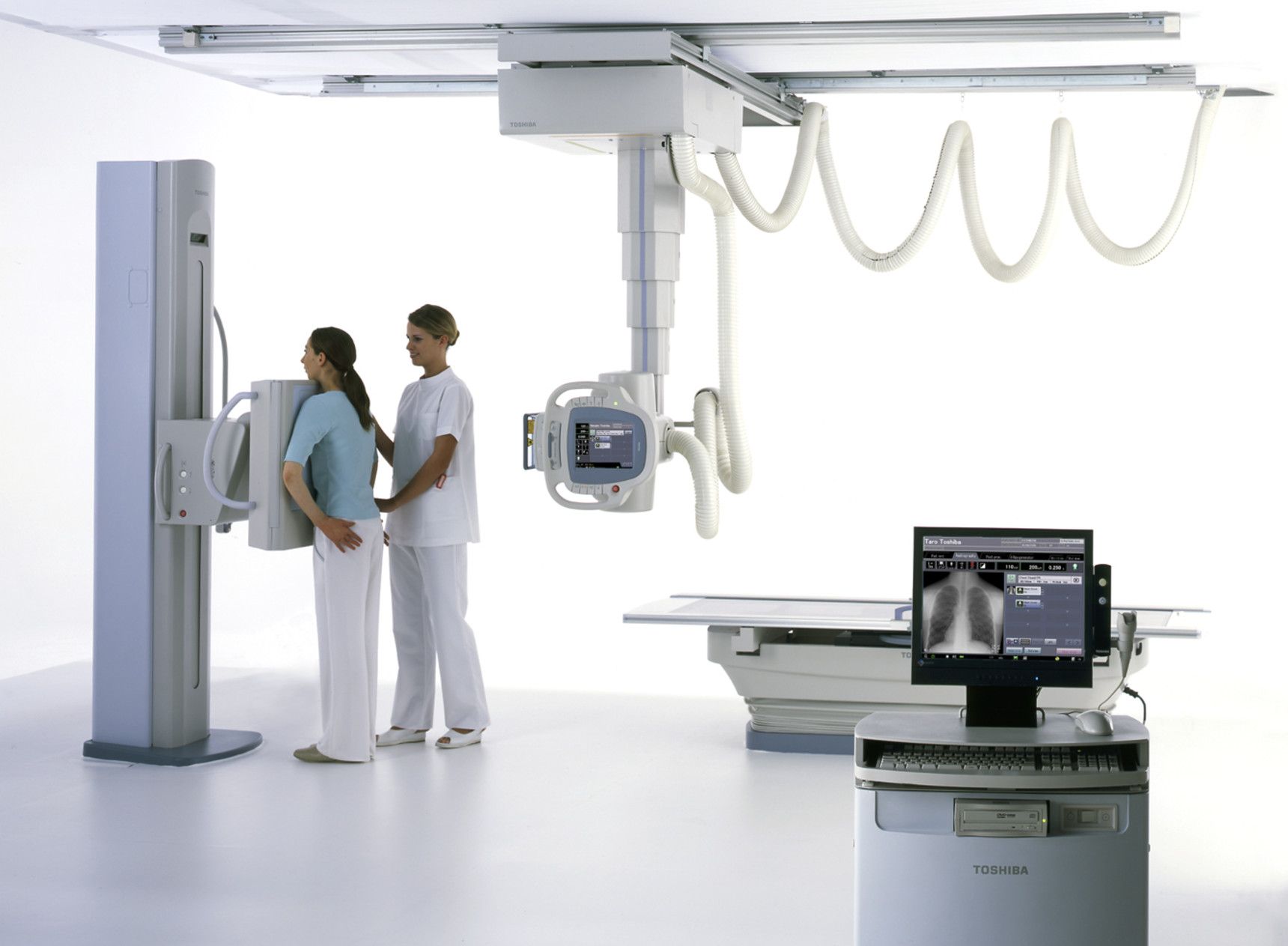
Yes,
CZT (Cadmium Zinc Telluride) detectors can be used in
commercial X-ray machines, particularly in advanced imaging systems that require
high spatial resolution,
good energy resolution, and
compact detector designs.
CZT detectors offer several advantages over traditional
scintillation-based detectors in commercial X-ray applications, including
improved sensitivity,
faster response times, and the ability to work without the need for additional
scintillator materials.
## Advantages of Using CZT in Commercial X-ray Machines
1.
High Energy Resolution One of the primary advantages of
CZT detectors in X-ray imaging is their
high energy resolution compared to conventional
scintillation detectors. The
energy resolution is crucial for accurately distinguishing between different X-ray energies, which allows for enhanced
contrast and
image quality. CZT detectors directly convert the X-ray photons into
charge carriers (electrons and holes), enabling more precise energy measurements with minimal signal loss. This is particularly beneficial for
dual-energy or
multi-energy X-ray imaging, where different energy levels are used to obtain more detailed diagnostic information.
2.
Direct Conversion Efficiency Unlike
scintillator-based detectors, which require a
scintillator crystal (like
NaI(Tl) or
CsI(Tl)) to convert X-rays into visible light before the light is detected by a
photodetector,
CZT detectors perform
direct conversion. In
direct conversion, X-ray photons interact directly with the
CZT crystal and produce
electrons and
holes, which are then collected and measured as
electrical signals. This direct conversion process improves the
energy efficiency and
signal-to-noise ratio compared to the indirect process used in scintillation detectors.
*
Lower Power Consumption: Since no intermediate conversion step is needed, CZT-based systems tend to have
lower power consumption compared to systems that use scintillators and photomultiplier tubes (PMTs), making them more
energy-efficient.
*
No Scintillator Materials: The absence of scintillator materials also eliminates issues such as
scintillator degradation,
increased maintenance costs, and the
complexity of light collection systems, which are common in traditional X-ray machines.
3.
Compact and Lightweight Design CZT detectors are inherently
compact and
lightweight, which makes them suitable for
portable or
mobile X-ray systems. Traditional X-ray machines that rely on
scintillation crystals and
photodetectors tend to be bulkier due to the need for
light guides and
PMTs. The
small size of CZT detectors enables the creation of
smaller, more portable X-ray units, which can be used in settings such as
field hospitals,
ambulances, and
military applications. Additionally, this compactness can lead to
lower production costs and more
affordable equipment.
4.
Faster Imaging CZT detectors exhibit a
faster response time compared to traditional scintillation detectors, enabling
real-time X-ray imaging with
high frame rates. This is important in applications such as
fluoroscopy,
cardiac imaging, and
interventional radiology, where
rapid image acquisition is essential for accurate diagnosis and treatment planning.
*
High temporal resolution: The direct detection of X-rays in CZT systems allows for
faster signal processing and
high temporal resolution, which is essential for capturing
dynamic imaging sequences in real time.
5.
Improved Spatial Resolution CZT detectors provide
high spatial resolution compared to traditional X-ray detectors. The high
charge transport efficiency of CZT allows for the precise detection of individual photons and their interaction locations, resulting in
sharp, clear images with fine detail. This makes CZT detectors ideal for applications requiring
high-resolution imaging, such as
dental X-rays,
mammography, and
orthopedic imaging. In commercial systems,
pixelated CZT detectors can be used to provide
fine spatial resolution for detailed examination of
bone structures or
soft tissues.
*
High pixel density: CZT detectors can be made with a
high pixel density, allowing for detailed imaging with fewer distortions or blurring. This capability is particularly beneficial in
high-definition imaging where precise visualization of tissues and organs is critical for diagnosis.
6.
Reduced Scattering and Improved Contrast CZT detectors exhibit less
scattering of X-rays, resulting in
improved contrast and
better image clarity. This property helps to improve
image quality, especially in complex diagnostic procedures where distinguishing small differences in tissue density is necessary. The
low scattering also leads to a
reduction in noise, which contributes to clearer and more accurate images.
7.
Durability and Stability CZT crystals are relatively
durable and
stable compared to other materials. They exhibit a good
resistance to radiation damage, which is essential in high-exposure environments such as
repeated X-ray scans or
long-term usage. This durability ensures that CZT-based detectors can maintain
consistent performance over extended periods, reducing the need for frequent replacements and
maintenance.
## Applications of CZT in Commercial X-ray Machines
1.
Medical Imaging *
Mammography: CZT-based detectors offer superior energy resolution and spatial resolution, making them an excellent choice for
mammography, where precise differentiation between tissue types is critical.
*
Computed Tomography (CT): CZT detectors are increasingly used in
CT scanners for improved image quality, as they can provide better contrast and detail resolution compared to traditional detectors.
Dual-energy CT imaging is another application that benefits from the high energy resolution of CZT detectors.
*
Dental X-rays: The high spatial resolution of CZT detectors makes them suitable for
dental radiography, allowing for detailed images of teeth, bones, and surrounding tissues.
2.
Security and Border Control In security applications, such as
airport screening and
cargo inspection, CZT-based detectors are used to detect
contraband or
nuclear materials. The
compactness and
direct conversion capabilities of CZT detectors make them suitable for portable
X-ray scanning devices used in
security checkpoints and
border control facilities.
3.
Industrial Non-Destructive Testing (NDT) Industrial X-ray machines used for
non-destructive testing (NDT) benefit from the
high resolution and
rapid imaging capabilities of CZT detectors. These systems are used to inspect materials for
structural integrity,
weld quality, and
composite structures.
4.
Portable and Mobile X-ray Units CZT detectors can be used in
portable and mobile X-ray machines for situations where traditional bulky equipment is impractical, such as in
field hospitals,
ambulances, or
disaster zones. These systems offer the flexibility of
on-site diagnosis with high-quality imaging.
## Challenges and Limitations
While
CZT detectors have significant advantages in commercial X-ray applications, there are a few challenges and limitations:
1.
Cost: CZT detectors are more expensive to produce than traditional scintillator-based detectors. The
cost of CZT crystal growth and the
complexity of detector assembly contribute to the higher cost of CZT-based systems. This can make them less accessible for low-budget applications or markets with limited resources.
2.
Material Purity and Crystal Growth: Achieving high-quality, defect-free CZT crystals can be challenging.
Impurities or
defects in the crystal can degrade the performance of the detector, particularly in terms of energy resolution and efficiency. Ensuring
high-purity CZT and effective
crystal growth techniques is critical for the long-term performance of the detectors.
3.
Temperature Sensitivity: While CZT detectors are generally stable, their
performance can be sensitive to temperature fluctuations. In high-temperature environments, CZT crystals may experience
increased leakage currents and reduced
charge transport efficiency. This requires careful
temperature control in certain commercial applications.
4.
Size and Weight: While CZT detectors are compact, the
detector size and
pixel density needed for high-resolution commercial X-ray machines can still result in significant overall weight, especially for larger systems. Balancing performance with
physical size and weight constraints is an ongoing consideration in the design of these detectors.
## Conclusion
CZT detectors represent a promising and advanced technology for use in
commercial X-ray machines, offering several key advantages over traditional scintillator-based detectors, including
high energy resolution,
direct conversion efficiency,
compactness, and
faster imaging. They are particularly suited for
high-resolution applications in
medical imaging,
security, and
industrial inspections. However, challenges such as
cost,
material purity, and
temperature sensitivity must be addressed for CZT-based systems to achieve widespread adoption in commercial X-ray imaging systems. Despite these challenges, the
performance benefits of CZT detectors position them as an ideal choice for next-generation X-ray technology.
CdZnTe Association (CdZnTe.com)
https://www.cdznte.com/blog/can-czt-be-used-in-commercial-x-ray-machines.html



