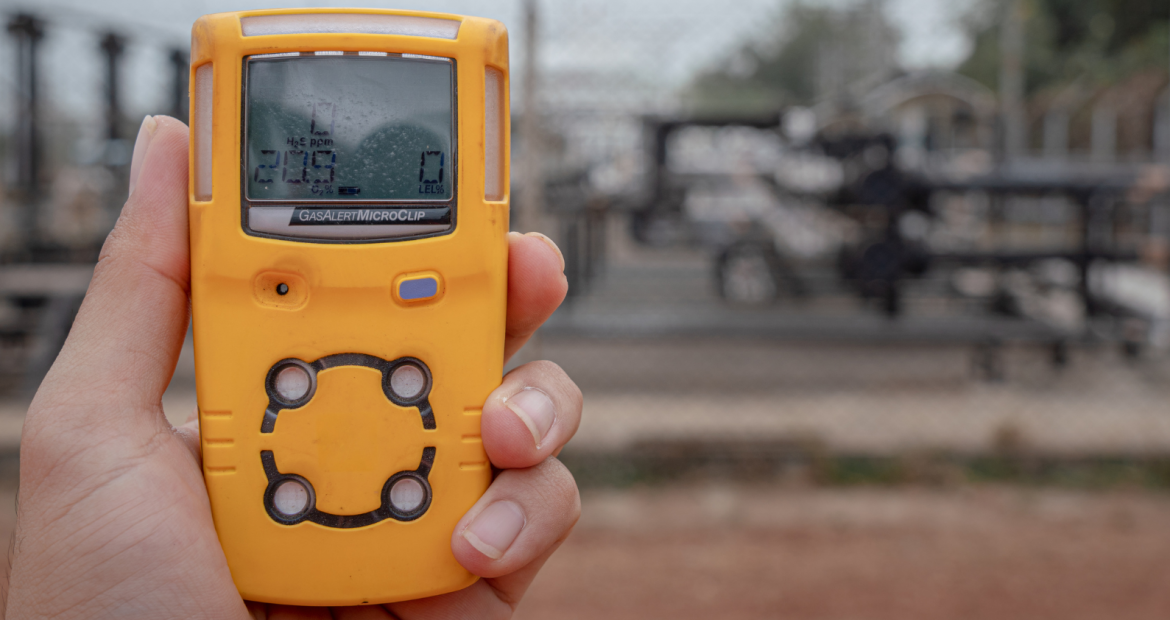
Choosing the right radiation detector is critical to the success of a wide range of applications, from medical imaging and nuclear power monitoring to particle physics and space exploration. Two of the most commonly used types of radiation detectors are
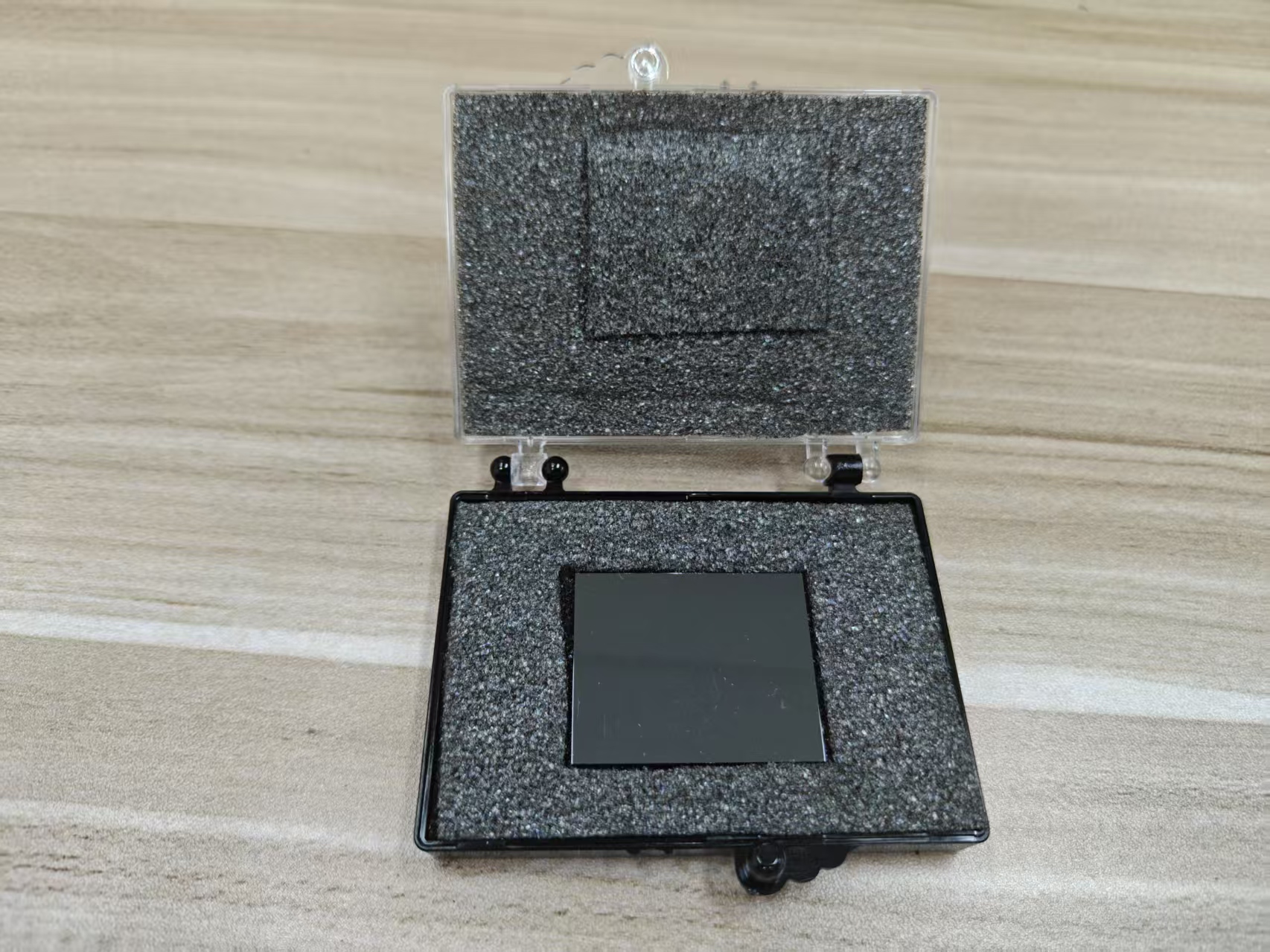
CZT (Cadmium Zinc Telluride) detectors and
scintillator detectors. Both technologies offer unique benefits, and the decision to use one over the other depends on various factors such as
sensitivity,
energy resolution,
cost, and
application requirements.
This guide provides a detailed comparison between
CZT detectors and
scintillator detectors across different parameters to help you determine the most suitable option for your specific application.
## 1. Technology Overview
## CZT Detectors
CZT detectors are
solid-state semiconductor detectors made from
Cadmium Zinc Telluride crystals. These detectors operate by
directly converting incoming radiation (e.g., X-rays, gamma rays) into an electrical signal via the
photoelectric effect. CZT detectors do not require any intermediate light conversion step, which results in better energy resolution and faster signal response.
Key Features:
*
Direct conversion of radiation to electrical signals without the need for light emission.
* High
energy resolution and
sensitivity for precise measurements.
*
Compact and robust designs that are suitable for portable and mobile systems.
*
Room temperature operation eliminates the need for cooling systems, which is particularly advantageous in field applications.
## Scintillator Detectors
Scintillator detectors use materials like
sodium iodide (NaI),
cesium iodide (CsI), or
bismuth germanate (BGO), which emit
light when they interact with incoming radiation. This emitted light is then detected by a
photomultiplier tube (PMT) or a
photodiode, which converts the light into an electrical signal. Scintillators are commonly used in a wide range of applications due to their cost-effectiveness, durability, and ability to handle
high-count rates.
Key Features:
*
Indirect conversion where radiation is first converted to light and then to an electrical signal.
*
Lower energy resolution compared to CZT detectors but still highly effective for many applications.
*
Cost-effective and
robust, often used in environments where durability is essential.
* Suitable for
large-area detectors and
high-throughput applications.
## 2. Performance Factors to Consider
The decision to choose between CZT and scintillator detectors depends on several performance factors, each of which plays a crucial role in the detector's effectiveness for a given application. These factors include
energy resolution,
sensitivity,
response time,
detection efficiency, and
system complexity.
## Energy Resolution
*
CZT Detectors: One of the most significant advantages of
CZT detectors is their
high energy resolution. Since they directly convert radiation into electrical signals, they can accurately measure the energy of incoming photons, which allows for precise identification of different materials and better image contrast. This feature is particularly beneficial in applications requiring
high precision and
clear differentiation of subtle variations in radiation.
*
Scintillator Detectors: While
scintillator detectors also provide good energy resolution, they tend to be
less precise than CZT detectors. The light emission step introduces a
broader energy distribution, leading to a
lower energy resolution. However, for many applications where high precision is not a strict requirement, scintillators still perform well.
Best for High Energy Resolution Applications:
CZT detectors, particularly useful in applications like
gamma spectroscopy,
X-ray imaging, and
nuclear physics where accurate energy measurement is required.
## Sensitivity and Detection Efficiency
*
CZT Detectors:
CZT detectors are highly
sensitive, especially in low radiation environments. They can detect
low-energy X-rays and gamma rays with high efficiency, making them ideal for applications like
medical imaging and
environmental monitoring where
dose minimization is crucial.
*
Scintillator Detectors: Scintillators typically offer
lower sensitivity compared to CZT detectors, but they perform well in
high-count-rate environments.
Scintillators are well-suited for
high-speed imaging applications like
CT scans or
real-time fluoroscopy, where throughput and efficiency are prioritized over fine resolution.
Best for Low Sensitivity Applications:
CZT detectors, particularly in low-dose imaging scenarios or when sensitivity is critical, such as in
medical diagnostics and
environmental radiation detection.
## Response Time and Speed
*
CZT Detectors: The
response time of CZT detectors is very fast, making them ideal for
real-time imaging applications where rapid acquisition and processing of data are required. Since the conversion from radiation to electrical signals is
direct, the detectors can provide
instantaneous feedback, which is crucial in high-speed imaging.
*
Scintillator Detectors: While
scintillators have relatively fast response times, they are inherently slower than CZT detectors due to the
light emission and
light conversion process. For most applications, this delay is negligible, but in high-speed applications such as
dynamic X-ray imaging or
real-time fluoroscopy, the slight delay in signal conversion may be a limiting factor.
Best for Real-Time Applications:
CZT detectors, particularly in
dynamic imaging and
fluoroscopy, where rapid, real-time response is critical.
## Durability and Cost-Effectiveness
*
CZT Detectors: While
CZT detectors offer high performance in terms of energy resolution and sensitivity, they are
more expensive due to the complex manufacturing process of
high-quality CZT crystals. Additionally, the detectors can be more
fragile, as they are sensitive to mechanical stress and environmental conditions.
*
Scintillator Detectors:
Scintillator detectors are known for their
robustness and
durability. They are
cost-effective and
well-suited for large-scale applications or environments that experience heavy use and physical stress. The manufacturing process for scintillators is less complex and more
scalable, making these detectors more affordable and easier to integrate into various systems.
Best for Large-Scale, Cost-Sensitive Applications:
Scintillator detectors, particularly in
industrial applications,
CT scanners, and
high-volume imaging systems where budget constraints are a factor.
## Portability and System Integration
*
CZT Detectors:
CZT detectors are compact and lightweight, making them highly suitable for
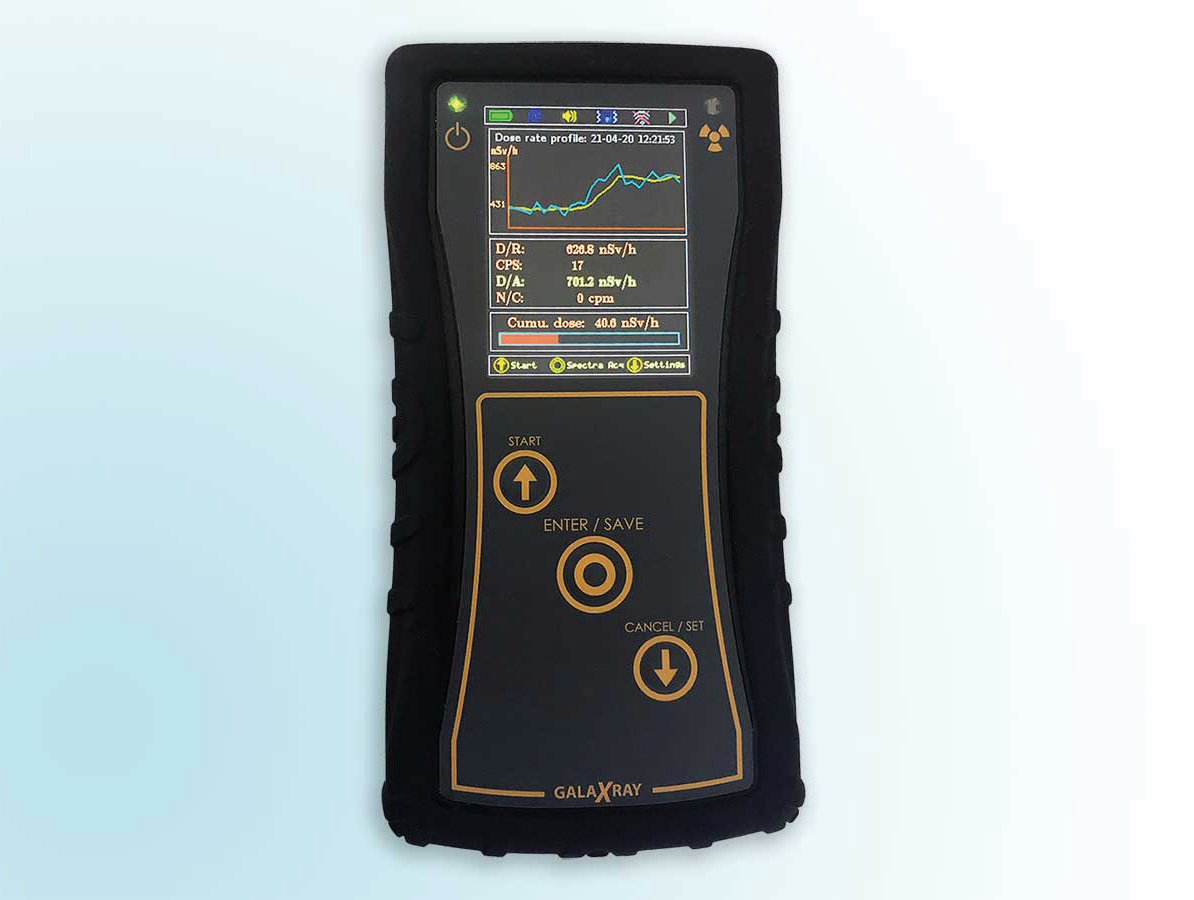
portable radiation detection systems, including
handheld devices for
environmental monitoring or
medical diagnostics. Their solid-state nature and
room temperature operation contribute to their portability, eliminating the need for cooling systems.
*
Scintillator Detectors: While
scintillator detectors are available in compact designs, their overall size can be larger, especially in applications requiring large
crystals for detection. Additionally,
PMTs and
cooling systems are often needed, which can add to the overall
size and
complexity of the system.
Best for Portable Applications:
CZT detectors, particularly for handheld
radiation detectors or
mobile X-ray systems.
## 3. Choosing the Right Detector for Your Application
The selection of
CZT detectors or
scintillator detectors depends on the specific needs of the application. Here’s a quick guide to help you decide:
*
For High-Precision, Low-Dose Imaging: Choose
CZT detectors for applications requiring high
energy resolution, low
radiation doses, and detailed imaging, such as
mammography,
nuclear medicine, and
gamma spectroscopy.
*
For High-Speed, High-Throughput Imaging: Choose
scintillator detectors for applications like
CT scanning,
real-time fluoroscopy, and
industrial imaging, where
high sensitivity and
fast response time are more critical than energy resolution.
*
For Cost-Conscious or Large-Scale Systems: Choose
scintillator detectors for
large-area detectors or
high-volume applications where budget constraints are a consideration, such as
industrial radiography or
general radiology.
*
For Portable and Mobile Systems: Choose
CZT detectors for
handheld devices and
portable radiation detectors, where
compact size and
room temperature operation are essential for mobility and ease of use.
## 4. Conclusion
Both
CZT detectors and
scintillator detectors offer distinct advantages depending on the application.
CZT detectors provide
superior energy resolution and
sensitivity, making them ideal for
precision imaging and
low-dose applications, but they come at a higher cost.
Scintillator detectors are more
cost-effective,
durable, and better suited for
high-throughput and
real-time applications, such as
CT scans and
industrial imaging.
Ultimately, the choice between these two detector technologies should be guided by the specific requirements of your application, including factors like
resolution,
speed,
cost, and
system portability. Understanding the strengths and limitations of each detector type ensures that you select the best technology to meet your imaging or detection needs.
CdZnTe Association (CdZnTe.com)
https://www.cdznte.com/blog/czt-vs-scintillators-a-guide-to-choosing-the-right-detector-for-your-application.html