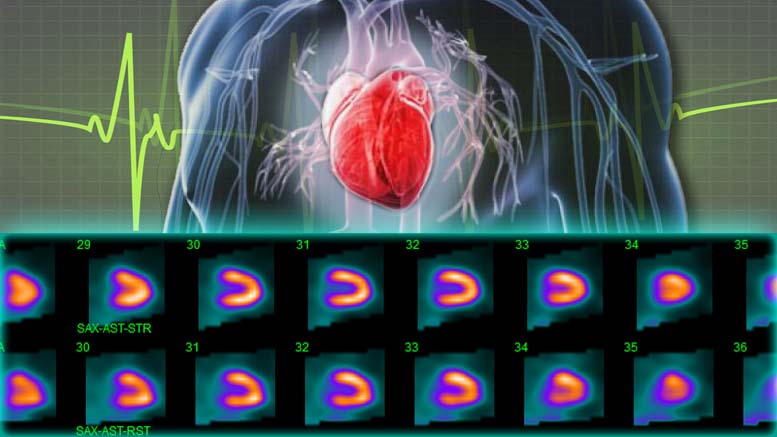
Nuclear imaging plays a crucial role in various fields, including
medical diagnostics,
nuclear physics, and
environmental monitoring. Two of the most prominent technologies used in this field are
CZT (Cadmium Zinc Telluride) detectors and
scintillator-based detectors. Both have distinct advantages and limitations, particularly when it comes to resolution, which is a critical factor in imaging applications. In this detailed comparison, we will explore the
energy resolution,
spatial resolution, and other technical aspects that determine which technology provides better resolution for advanced nuclear imaging applications.
## 1. Detection Mechanism: Direct vs. Indirect Detection
*
CZT: CZT detectors operate based on a
direct detection mechanism, where ionizing radiation interacts directly with the crystal lattice, creating
electron-hole pairs through the
photoelectric effect and
Compton scattering. The number of charge carriers generated is directly proportional to the energy of the incident radiation. These carriers are then collected by electrodes, producing an electrical signal that provides precise information about the energy of the incoming radiation. This direct conversion leads to
high energy resolution and is particularly advantageous for accurate
nuclear imaging.
*
Scintillators: Scintillators detect radiation through an
indirect mechanism. When radiation interacts with the scintillator material, it excites the atoms, causing the emission of
visible light. The light is then captured by a
photodetector, such as a
photomultiplier tube (PMT) or
photodiode, and converted into an electrical signal. The amount of light emitted is proportional to the energy deposited by the incoming radiation. However, the indirect nature of this process means that scintillator-based systems tend to have
lower energy resolution compared to CZT detectors, especially for complex nuclear imaging tasks.
## 2. Energy Resolution
*
CZT:
Energy resolution is a key performance metric for nuclear imaging systems, and CZT detectors excel in this area. The direct energy conversion mechanism allows CZT detectors to achieve
high energy resolution, typically around
5-8% at 662 keV (gamma radiation energy). This high energy resolution enables
precise discrimination between different types of radiation, which is crucial for advanced nuclear imaging applications such as
gamma spectroscopy,
positron emission tomography (PET), and
single-photon emission computed tomography (SPECT). For applications that require
clear differentiation of gamma-ray energies, such as identifying specific isotopes, CZT detectors offer superior resolution compared to scintillators.
*
Scintillators: Scintillator detectors typically have
lower energy resolution, often in the range of
10-15% at 662 keV. This lower resolution results from the
indirect nature of detection, where the emitted light from the scintillator is not as directly proportional to the energy of the radiation. While some scintillator materials, such as
LSO (Lutetium Oxyorthosilicate) and
NaI(Tl), offer reasonably good energy resolution, they are still not able to match the
precision of CZT in terms of energy measurements. In advanced nuclear imaging applications, where the
accurate identification of specific gamma energies is essential (e.g., in imaging of radiopharmaceuticals in PET scans), scintillators may fall short compared to CZT.
## 3. Spatial Resolution
*
CZT:
Spatial resolution is a measure of the ability of a detector to distinguish between two separate radiation sources that are close to each other. CZT detectors typically offer
excellent spatial resolution due to their
direct conversion of ionizing radiation into charge carriers, which allows for precise tracking of the energy deposition location. Additionally, CZT detectors can be manufactured with
high pixel density for use in
position-sensitive detectors, enabling the detection of small-scale interactions with high accuracy. This makes CZT an ideal choice for applications where high spatial precision is required, such as in
small animal imaging or
detailed imaging of radiopharmaceutical distribution in nuclear medicine.
*
Scintillators: Scintillator-based detectors tend to have
lower spatial resolution compared to CZT detectors. The indirect nature of detection, combined with the spread of emitted light within the scintillator material, introduces some
blurring in spatial information. While scintillators can still be used in imaging applications, such as
SPECT or
PET, the
spatial resolution is generally not as high as that offered by CZT detectors. However, the spatial resolution of scintillator-based systems can be improved by using
smaller scintillator crystals and
advanced photodetectors like
solid-state photomultipliers (SiPMs), but even then, they often do not match the resolution capabilities of CZT.
## 4. Time Resolution and Imaging Speed
*
CZT: Time resolution is another important factor in nuclear imaging, particularly in imaging techniques such as
PET or
time-of-flight (TOF) SPECT, where timing accuracy is essential for
accurate localization of events. CZT detectors offer very good
time resolution due to their
fast response times and
direct charge collection mechanism. This enables them to accurately measure the
timing of individual photon events, improving the
signal-to-noise ratio in dynamic imaging. In advanced imaging systems where high
temporal precision is required to differentiate between rapid events, CZT detectors are typically superior.
*
Scintillators: Scintillator-based detectors can also offer good temporal resolution, particularly when using
fast scintillator materials such as
BC-408 or
stilbene, which can achieve
nanosecond-level timing. However, the
timing resolution of scintillators is often affected by factors such as the
light yield and the
speed of the photodetector. While scintillators can provide good timing performance in certain imaging systems, they may not match the
high-speed capabilities of CZT detectors, especially in advanced applications such as
TOF PET or
real-time nuclear imaging where precise timing is critical.
## 5. Detector Efficiency and Sensitivity
*
CZT: CZT detectors exhibit
high detection efficiency, particularly for
gamma-ray detection. The material's
high atomic number (Z) and the
direct conversion of energy into charge carriers contribute to the detector's
excellent efficiency for gamma-ray interactions. However, CZT is typically less efficient at detecting
low-energy particles or
X-rays compared to scintillators, and its efficiency can decrease for lower-energy photons. Nonetheless, for high-energy gamma-ray imaging and tasks that require
high precision, CZT offers a notable advantage in terms of
sensitivity and
energy resolution.
*
Scintillators: Scintillators, especially those like
NaI(Tl) and
CsI(Tl), offer good
light yield, which contributes to high
detection efficiency for gamma rays. In many situations, scintillators are more efficient at detecting
low-energy radiation (such as
beta particles or
low-energy X-rays) than CZT detectors. Scintillators'
light output is typically higher than the charge output of CZT detectors, making them more sensitive to low-energy radiation. However, for advanced nuclear imaging applications requiring
precise energy and spatial resolution, CZT detectors are typically preferred despite the higher efficiency of scintillators for broader detection ranges.
## 6. Material Stability and Radiation Hardness
*
CZT:
CZT detectors have excellent
radiation hardness. They are highly resistant to radiation damage, meaning that they can maintain performance over extended periods of use, even in high-radiation environments. This property is particularly important in advanced nuclear imaging, where long-term stability and minimal
signal degradation are necessary for accurate imaging. CZT detectors typically
do not require cooling and can function at
room temperature, making them easier to integrate into
portable and fixed imaging systems.
*
Scintillators: Scintillators are typically more
susceptible to radiation damage than CZT detectors, especially with prolonged exposure to high radiation fluxes. This can lead to a
decrease in light output and a subsequent reduction in detection efficiency. Some scintillator materials are more resistant to radiation damage than others, but generally,
CZT detectors outperform scintillators in terms of
long-term durability and stability in high-radiation environments.
## 7. Cost and Practical Considerations
*
CZT:
CZT detectors are generally more expensive than scintillators, primarily due to the cost of the
CZT material and the
complexity of fabricating high-quality CZT crystals. However, the
superior energy and spatial resolution provided by CZT can justify the higher cost in advanced nuclear imaging applications where precision is paramount. Additionally, the
lack of need for cooling and the
radiation hardness of CZT make it an excellent choice for
long-term, high-performance applications.
*
Scintillators:
Scintillator-based detectors are typically more affordable than CZT detectors, making them a more cost-effective option for large-scale imaging systems or general-purpose nuclear imaging applications. The relatively low cost of scintillators and their
high sensitivity make them suitable for broad applications where
detailed resolution is not the primary requirement. However, for advanced nuclear imaging tasks requiring
high energy and spatial resolution, the cost of CZT detectors may be justified.
## Conclusion
In advanced
nuclear imaging, the choice between
CZT and
scintillators depends on the
performance requirements and
specific application needs.
CZT detectors offer
superior energy and spatial resolution, making them ideal for
high-precision imaging tasks such as
gamma spectroscopy,
SPECT, and
PET. Their ability to provide detailed, high-quality images in environments requiring
high sensitivity and radiation hardness gives them a distinct advantage for
advanced imaging systems.
On the other hand,
scintillator-based detectors offer
higher efficiency and
lower cost, making them more suitable for applications where
broad-spectrum detection is needed and
high-resolution measurements are not as critical. For
general-purpose nuclear imaging and large-scale applications, scintillators are often the more practical and economical choice.
Ultimately, for
advanced nuclear imaging that demands
uncompromising resolution,
CZT detectors are the clear winner. However, for systems where
cost-effectiveness and
sensitivity to low-energy radiation are more important,
scintillators remain a valuable option.
CdZnTe Association (CdZnTe.com)
https://www.cdznte.com/blog/czt-vs-scintillators-for-advanced-nuclear-imaging-which-offers-better-resolution.html



