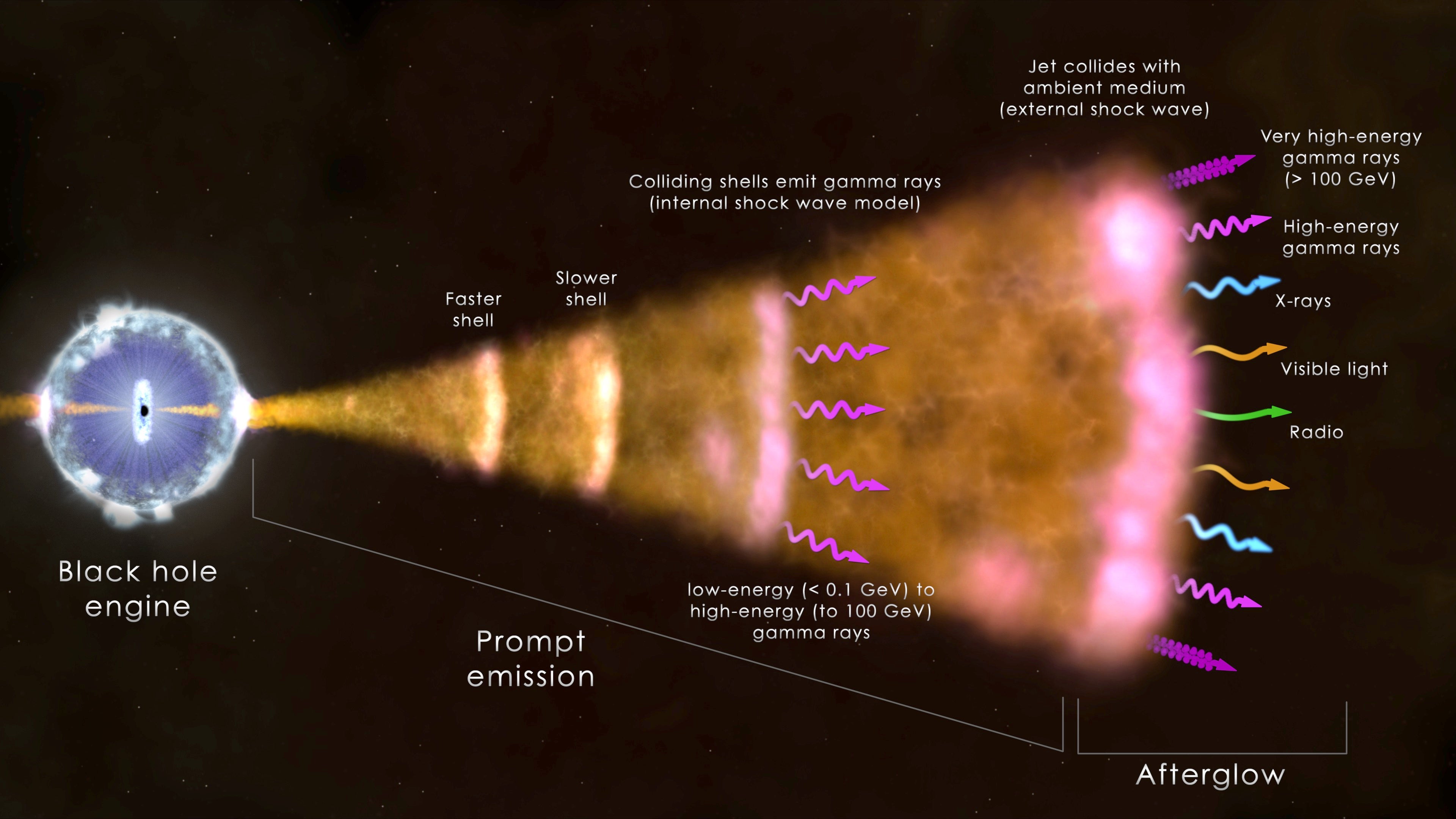
Radiation detection plays a critical role in
space exploration due to the unique and potentially harmful radiation environment that spacecraft and astronauts are exposed to in space. The need for
efficient radiation detection systems in space is paramount to ensure the safety of astronauts, spacecraft, and instruments while also enabling scientific research on cosmic phenomena. Two technologies that are frequently employed for
radiation detection in space missions are
CZT (Cadmium Zinc Telluride) detectors and
scintillator-based detectors. This comprehensive comparison will explore the strengths and weaknesses of both technologies for
radiation detection in space exploration, focusing on their performance in
high-energy particle detection,
space radiation monitoring,
durability in extreme environments, and
suitability for various space missions.
## 1. Radiation Environment in Space
The space radiation environment is highly diverse, consisting of various types of radiation, including:
*
Cosmic rays (protons, heavy ions, and electrons)
*
Solar energetic particles (SEPs)
*
Galactic cosmic rays (GCRs)
*
Solar wind and
solar flaresThese particles can vary in
energy levels and
flux, and they interact with materials in different ways. Detecting these different types of radiation with high accuracy and in real-time is essential for space missions. This is where radiation detectors like
CZT and
scintillators come into play.
## 2. Detection Principle and Response Time
*
CZT Detectors:
CZT detectors are
solid-state detectors that directly convert incoming radiation into an
electrical signal via the interaction of radiation with the
CZT crystal. The solid-state nature of
CZT detectors allows for
fast response times and
high energy resolution. The detector’s ability to provide instantaneous feedback is crucial in space environments where real-time monitoring of radiation levels is required to protect sensitive electronic equipment and human health. The
energy resolution of
CZT detectors typically ranges from
5% to 8% at
662 keV, making them well-suited for
gamma ray and
x-ray detection, and they can distinguish between different types of particles based on their energy.
The
response time of
CZT detectors is typically in the range of
microseconds to milliseconds, allowing for
real-time monitoring of
high-energy particles in space. This fast detection time is particularly beneficial for applications such as
spectroscopy, where a detailed analysis of radiation sources and their energy spectra is needed.
*
Scintillator Detectors:
Scintillator detectors utilize materials such as
NaI(Tl),
CsI(Tl), or
plastic scintillators that emit
visible light when radiation interacts with the scintillation material. This light is then converted into an
electrical signal by a
photodetector such as a
photomultiplier tube (PMT) or
photodiode. While scintillator detectors are generally
fast and provide
high light output, their
energy resolution is typically lower than that of
CZT detectors, ranging from
10% to 20% at
662 keV.
The
response time of scintillator detectors can also vary depending on the type of scintillator used. Materials like
plastic scintillators have fast decay times, which is advantageous for detecting
fast-moving particles in space. However, the need to convert
light into electrical signals through a photodetector adds some delay compared to
CZT detectors, making them less ideal for applications requiring
high-precision timing.
While
scintillators provide quick feedback, their
lower energy resolution means they may not be as effective at distinguishing between different radiation types in complex space environments.
## 3. Energy Resolution and Particle Discrimination
*
CZT Detectors:
One of the primary advantages of
CZT detectors in space exploration is their
superior energy resolution. The ability of
CZT detectors to offer
fine energy discrimination means they can effectively distinguish between
gamma rays,
x-rays, and
high-energy protons. In space exploration, this ability is crucial for identifying and quantifying the various
cosmic radiation components such as
solar energetic particles (SEPs),
galactic cosmic rays (GCRs), and other
high-energy nuclei.
CZT detectors can perform
gamma spectroscopy, which is vital for
characterizing radiation sources in space and helping scientists understand the composition of the space environment. The
high energy resolution of
CZT detectors is also beneficial in identifying
radioactive isotopes in materials, which is important for
planetary exploration missions, where in-situ analysis of materials may be needed.
*
Scintillator Detectors:
While
scintillator detectors provide excellent
sensitivity and are capable of detecting a broad spectrum of radiation, their
energy resolution is generally lower compared to
CZT detectors. For example,
NaI(Tl) scintillators typically have
lower energy resolution, which makes them less effective at distinguishing between particles of similar energies. This could be a disadvantage in missions where precise identification of particle types and energy spectra is required, such as in
solar radiation measurements or
cosmic ray studies.
However,
scintillators are still very useful in situations where
speed and
broad-spectrum radiation detection are more important than
high-resolution spectroscopy. For example,
scintillator detectors are used in
large-area detectors for monitoring
solar flares or
space weather, where fast detection of radiation flux is needed for
early-warning systems.
## 4. Durability and Performance in Space Conditions
*
CZT Detectors:
CZT detectors are highly durable and perform well in
harsh space conditions. Their
solid-state construction makes them resistant to mechanical stress, vibrations, and extreme temperatures that are common in the space environment.
CZT detectors can be used in space without the risk of
degradation from environmental factors such as
vacuum and
radiation exposure. Their robustness makes them well-suited for
long-duration space missions, where reliability and minimal maintenance are essential.
Additionally,
CZT detectors have low
power consumption, which is a key factor in
space missions where power resources are limited. The absence of
moving parts and the
ruggedness of
CZT detectors make them ideal for space probes, satellites, and deep-space exploration.
*
Scintillator Detectors:
Scintillator detectors are also durable but face some limitations in space environments. While
plastic scintillators are relatively resistant to environmental degradation,
crystalline scintillators such as
NaI(Tl) are more sensitive to factors like
humidity,
temperature fluctuations, and
mechanical shock. In space,
scintillator detectors can suffer from
degradation over time due to
radiation exposure, especially from
high-energy cosmic radiation and
solar particle flux.
Furthermore, the
photomultiplier tubes (PMTs) used in
scintillator detectors are generally
fragile and susceptible to
shock and
vibration, making them less ideal for extreme conditions in space, such as those experienced during
launch,
space travel, and
extraterrestrial landings.
## 5. Weight, Size, and Portability
*
CZT Detectors:
CZT detectors are generally
compact and
lightweight, making them ideal for integration into
space instruments where size and weight are often constrained.
Solid-state CZT detectors are
highly portable, and their small size allows for easy integration into
satellites,
space probes, and
rover systems. The compact nature of
CZT detectors makes them suitable for applications where space is limited, such as in
radiation sensors for
space telescopes or
planetary exploration.
*
Scintillator Detectors:
While
scintillator detectors can also be made lightweight and portable, they are often bulkier than
CZT detectors due to the need for
photomultiplier tubes (PMTs) and other associated components. Additionally,
crystalline scintillators can be quite large, especially for applications requiring large-area coverage or
high efficiency. This makes them less suitable for applications where
compactness is a key requirement.
## 6. Applications in Space Exploration
*
CZT Detectors:
CZT-based radiation detectors are used in
space exploration for:
*
Space weather monitoring, where high-precision energy measurements of
cosmic rays and
solar energetic particles (SEPs) are needed.
*
Planetary exploration missions, where
gamma spectroscopy is used to analyze the composition of
planetary surfaces and
lunar samples.
*
Astronomical research to detect high-energy
gamma rays from distant cosmic sources like
black holes and
neutron stars.
*
Astronaut protection in
space stations and
long-duration missions by monitoring radiation levels and ensuring the safety of the crew.
*
Scintillator Detectors:
Scintillator detectors are used in space for:
*
General-purpose radiation detection, such as monitoring
solar flares,
space weather, and
cosmic rays.
*
Large-area radiation surveys to detect high-energy
gamma rays and
x-rays in
space telescopes.
*
Real-time monitoring of radiation levels in the environment surrounding spacecraft and planetary landers.
## Conclusion
Both
CZT detectors and
scintillator-based detectors have their distinct advantages and limitations in
space exploration applications.
CZT detectors excel in
high-resolution spectroscopy, providing detailed energy information and
real-time radiation monitoring, which is crucial for
astronaut safety,
planetary exploration, and
cosmic radiation research. On the other hand,
scintillator detectors are more suitable for
general-purpose radiation detection and
large-area surveys, offering fast response times and broader radiation detection capabilities.
The choice between
CZT and
scintillator-based detectors ultimately depends on the specific requirements of the mission, including factors like
energy resolution,
size constraints,
power consumption, and
environmental durability. Both technologies play critical roles in advancing our understanding of space radiation and ensuring the safety of human and robotic missions in the
harsh space environment.
CdZnTe Association (CdZnTe.com)
https://www.cdznte.com/blog/czt-vs-scintillators-for-efficient-radiation-detection-in-space-exploration.html



