Space exploration and satellite missions expose equipment and personnel to high levels of radiation, including cosmic rays, solar particle events, and trapped radiation in the Van Allen belts. Efficient
radiation shielding and detection are critical to protect both human and technological assets in space. The use of
CZT detectors (
Cadmium Zinc Telluride) and
scintillator detectors for radiation monitoring and shielding plays a crucial role in these efforts.
This detailed comparison evaluates the performance, reliability, and suitability of
CZT detectors and
scintillator detectors in space radiation environments. These detectors' abilities to handle high radiation flux, provide real-time data, and operate effectively under extreme conditions are key factors in choosing the best technology for space missions.
## 1. Overview of CZT and Scintillator Detectors
## CZT Detectors
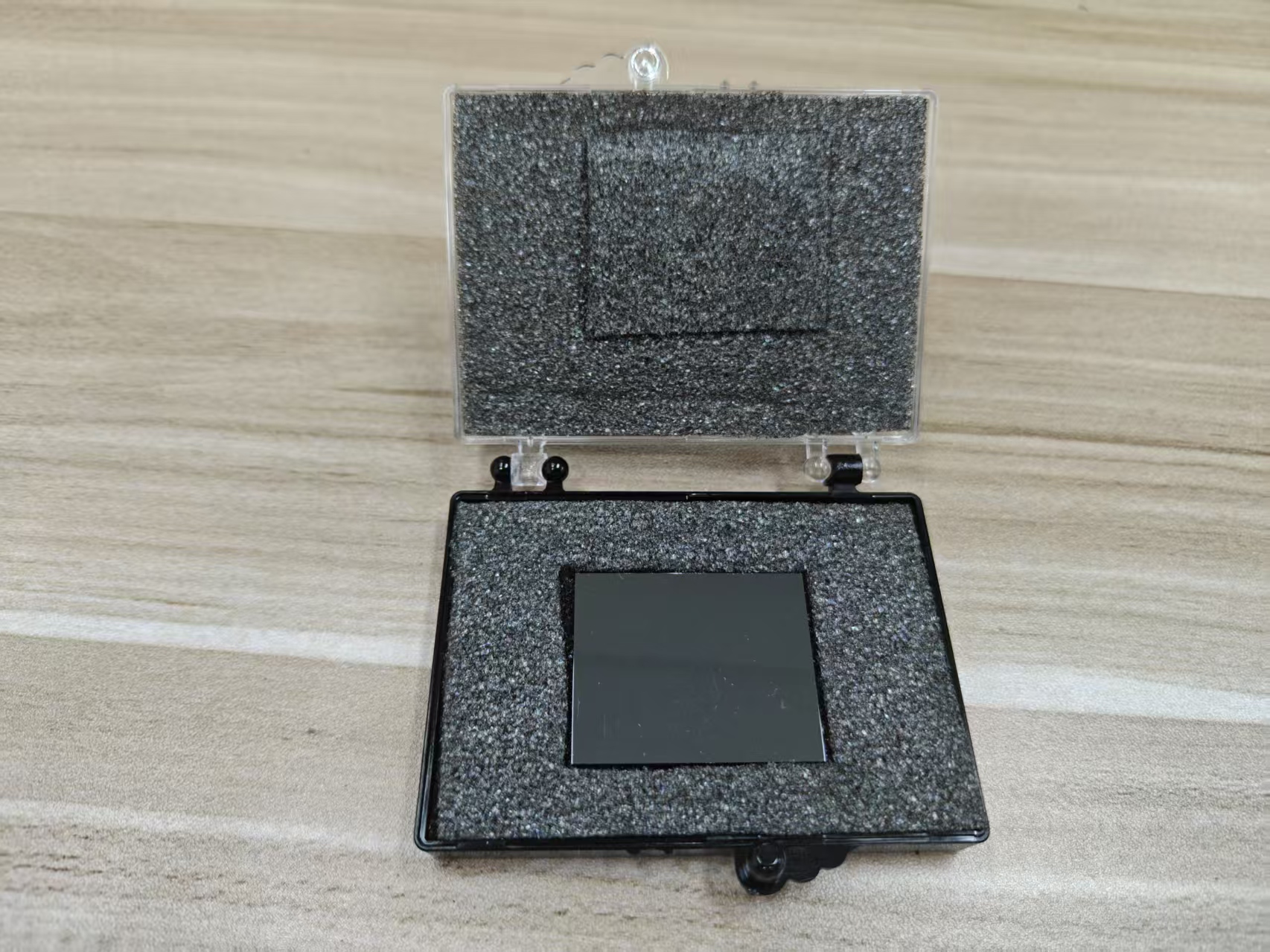
CZT (Cadmium Zinc Telluride) detectors are
solid-state semiconductor devices that directly convert incoming radiation into electrical signals. The key advantage of CZT is its
high energy resolution, enabling precise detection of various radiation types such as X-rays and gamma rays. Since CZT detectors do not require a scintillation process (conversion to light), they offer better
signal-to-noise ratios and
energy discrimination, making them suitable for detailed
radiation spectroscopy.
Key Characteristics:
*
High energy resolution for precise measurement of radiation energy.
*
Solid-state technology offers robustness and compactness, ideal for space applications.
*
Direct conversion from radiation to electrical signal without light intermediates.
* Capable of operating
at room temperature, eliminating the need for cooling systems.
## Scintillator Detectors
Scintillator detectors, on the other hand, use materials like
NaI(Tl) (Sodium Iodide with Thallium) or
CsI (Cesium Iodide) that emit visible light when exposed to radiation. This light is then converted into an electrical signal by a
photodetector such as a
photomultiplier tube (PMT) or a
photodiode. Scintillators are commonly used for applications requiring large-area detectors and high throughput.
Key Characteristics:
*
Indirect detection: Radiation is first converted to light, and then the light is converted to an electrical signal.
*
High throughput and
large-area coverage.
* Materials like
NaI or
CsI are widely used for gamma-ray and X-ray detection in space.
* Typically operate at
low temperatures and may require cooling systems to ensure optimal performance.
## 2. Radiation Environment in Space
Space radiation consists of a variety of particles and energies, primarily
cosmic rays (high-energy protons and heavier ions) and
solar energetic particles (SEPs), which can range from low-energy to high-energy radiation. These particles are much more energetic than those encountered on Earth and can have different interactions with matter. Additionally,
trap radiation belts (such as the Van Allen belts) contribute to prolonged exposure to
high fluxes of charged particles.
Key Radiation Challenges in Space:
*
High flux and energy of incoming radiation require sensitive detectors for effective monitoring and shielding.
*
Radiation hardening is necessary to ensure that detectors maintain performance over extended periods of exposure.
*
Temperature extremes in space (ranging from -150°C to +150°C) present additional challenges for both detector materials and associated electronics.
*
Heavy ion interactions, which can lead to higher damage to sensitive components over time.
## 3. Performance Comparison: CZT vs. Scintillators
## Radiation Detection Sensitivity and Energy Resolution
*
CZT Detectors:
CZT detectors excel in terms of
energy resolution, which is vital for distinguishing between different types of radiation. This is particularly important in space, where accurately identifying various particle types (e.g., protons, alpha particles, and cosmic rays) can provide critical information for radiation shielding. CZT’s direct conversion of radiation to electrical signals minimizes the noise introduced by intermediate stages (such as light conversion), leading to
better signal clarity and
enhanced sensitivity for low-energy photons.
*
Scintillator Detectors:
Scintillator detectors, while effective, generally have
lower energy resolution compared to CZT detectors. The light emission process introduces some energy dispersion, reducing their ability to accurately distinguish between particles of different energies. However, for many space applications, where detecting high-energy particles like
gamma rays and
X-rays is more important than energy discrimination, scintillators are still a viable option.
Best for Energy Discrimination:
CZT detectors, particularly when high precision is needed to differentiate between types of radiation in the space environment.
## Radiation Hardness and Durability
*
CZT Detectors: One of the significant advantages of
CZT detectors is their
radiation hardness. As solid-state devices, they are less likely to degrade or suffer from
radiation-induced damage over time compared to scintillators, which can experience
light yield degradation and
crystal damage from prolonged exposure to high-energy radiation. CZT’s robust nature and
low susceptibility to radiation damage make it a suitable choice for
long-term missions in space, where the detector must operate reliably over many years.
*
Scintillator Detectors: While scintillators are
durable and can handle
high radiation fluxes, prolonged exposure to
high-energy particles can lead to
radiation damage that degrades their performance. In space missions, especially those that last for many years, this degradation can be significant. For instance,
NaI crystals can lose their ability to produce light efficiently under long-term exposure, reducing their sensitivity over time.
Best for Long-Term Durability:
CZT detectors, especially for
missions requiring extended operational lifespans.
## Energy Efficiency and Size
*
CZT Detectors:
CZT detectors are known for their
compact size and
low power consumption, making them well-suited for space-based applications where
limited power resources and
size constraints exist. Their ability to operate at
room temperature eliminates the need for cooling systems, which is crucial for space applications where power and cooling resources are limited.
*
Scintillator Detectors:
Scintillators typically require
photomultiplier tubes (PMTs) for light conversion, which can add to the overall size and weight of the detector. Additionally, many scintillator-based systems require
cooling to maintain optimal performance, adding to the complexity and power demands of the system. However, for applications requiring
large-area detection, scintillators can offer
cost-effective solutions.
Best for Space Constraints and Power Efficiency:
CZT detectors, due to their compactness and ability to operate without cooling systems.
## Real-Time Monitoring and Fast Response
*
CZT Detectors:
CZT detectors offer excellent
real-time monitoring capabilities due to their fast response times. This is beneficial in dynamic space radiation environments where rapid detection of
solar particle events or
cosmic ray bursts is crucial for protecting spacecraft and astronauts. The
direct conversion of radiation into an electrical signal allows CZT detectors to react quickly to changes in radiation levels.
*
Scintillator Detectors:
Scintillators can also provide fast response times, especially in large-area detectors used to monitor
high radiation fluxes in space. However, the need for light conversion and the time it takes for
light emission to be detected can introduce slight delays compared to CZT detectors.
Best for Fast Response:
CZT detectors, especially for
real-time radiation monitoring and
event detection.
## 4. Applications in Space Radiation Shielding
*
CZT Detectors: Given their
high sensitivity,
energy resolution, and
durability,
CZT detectors are ideal for space missions where
precise radiation measurement and
long-term reliability are essential. These detectors are particularly useful in monitoring
high-energy cosmic radiation,
solar flare events, and
gamma-ray bursts. Additionally, they are well-suited for
dosimetry and
spectral analysis in
spacecraft radiation monitoring systems and
astronaut protection.
*
Scintillator Detectors: While
scintillator detectors may not offer the same level of energy resolution, they are still highly effective for
large-area radiation monitoring and
high-throughput applications. They are widely used in
space missions for
gamma-ray detection,
solar wind measurements, and
wide-area radiation surveys. The cost-effectiveness and robustness of scintillators make them suitable for monitoring
ambient radiation levels in spacecraft or space stations.
## 5. Conclusion
Both
CZT detectors and
scintillator detectors offer unique advantages and limitations for space radiation shielding and monitoring. The
CZT detectors provide superior
energy resolution,
radiation hardness, and
compactness, making them an excellent choice for high-precision, long-term monitoring applications in space. On the other hand,
scintillator detectors excel in
large-area monitoring,
high throughput, and
cost-effectiveness, and are ideal for applications where fine energy resolution is not critical.
For space missions that require high
sensitivity,
durability, and
precision in detecting cosmic rays, solar radiation, and other high-energy particles,
CZT detectors are generally the preferred choice. However, for missions where
large-area radiation detection or
high-speed monitoring is prioritized,
scintillators may still be the better option, especially in terms of cost-effectiveness.
In summary,
CZT detectors are superior for
energy resolution,
long-term durability, and
low power consumption, while
scintillators are better for
large-area detection and
cost-effective radiation monitoring. The choice between the two technologies will depend on the specific radiation measurement and shielding requirements of the space mission.
CdZnTe Association (CdZnTe.com)
https://www.cdznte.com/blog/czt-vs-scintillators-for-space-radiation-shielding-performance-and-reliability.html