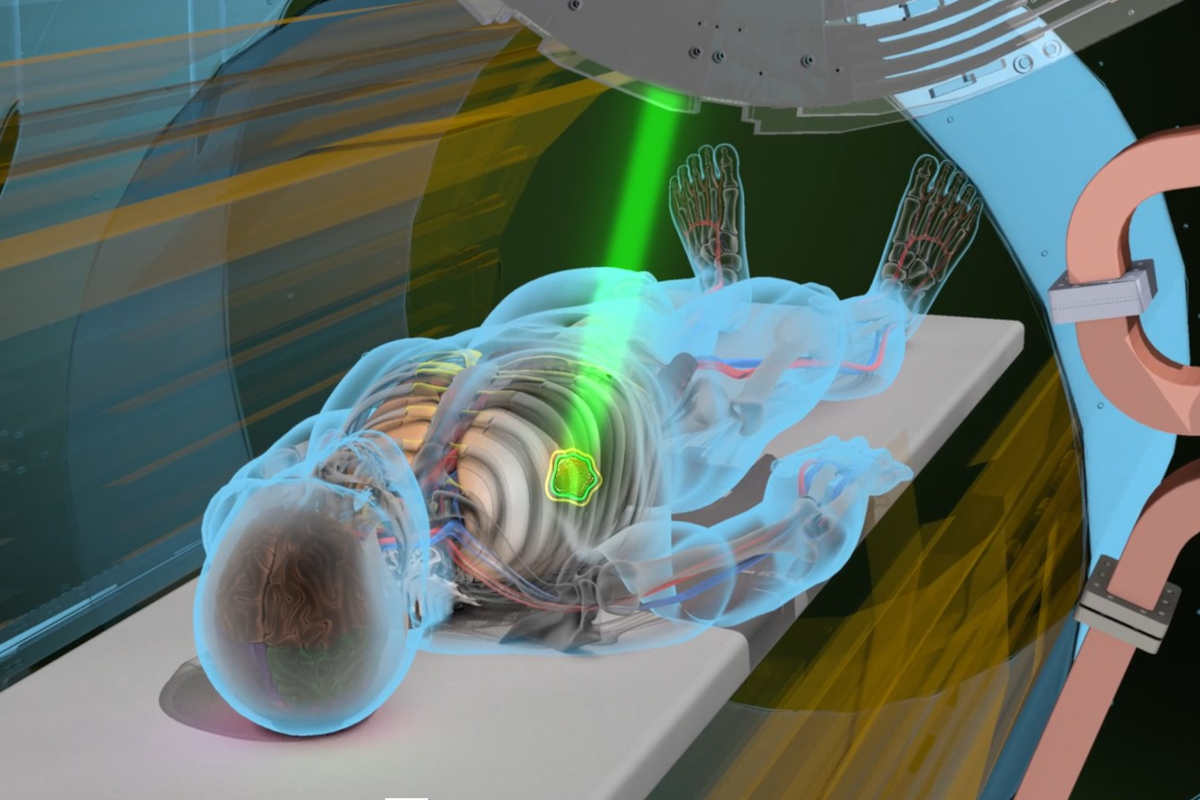
Cancer treatment often involves a combination of
radiation therapy and
imaging technologies to precisely target tumors while minimizing damage to surrounding healthy tissue. In this context,
imaging modalities play a crucial role in
guiding radiation therapy, as they help clinicians visualize tumor boundaries, assess treatment progress, and detect potential metastases. Two of the most commonly used radiation detectors in imaging for cancer treatment are
CZT (Cadmium Zinc Telluride) and
scintillators.
Both
CZT detectors and
scintillators are integral components of modern
medical imaging systems, such as
positron emission tomography (PET),
single-photon emission computed tomography (SPECT), and
X-ray imaging, each offering unique advantages and performance characteristics. This detailed breakdown evaluates the performance of these two technologies in the context of
cancer treatment, focusing on factors such as
image quality,
spatial resolution,
energy resolution,
detection efficiency, and
clinical applicability.
## 1. Overview of CZT and Scintillator Detectors
## CZT Detectors
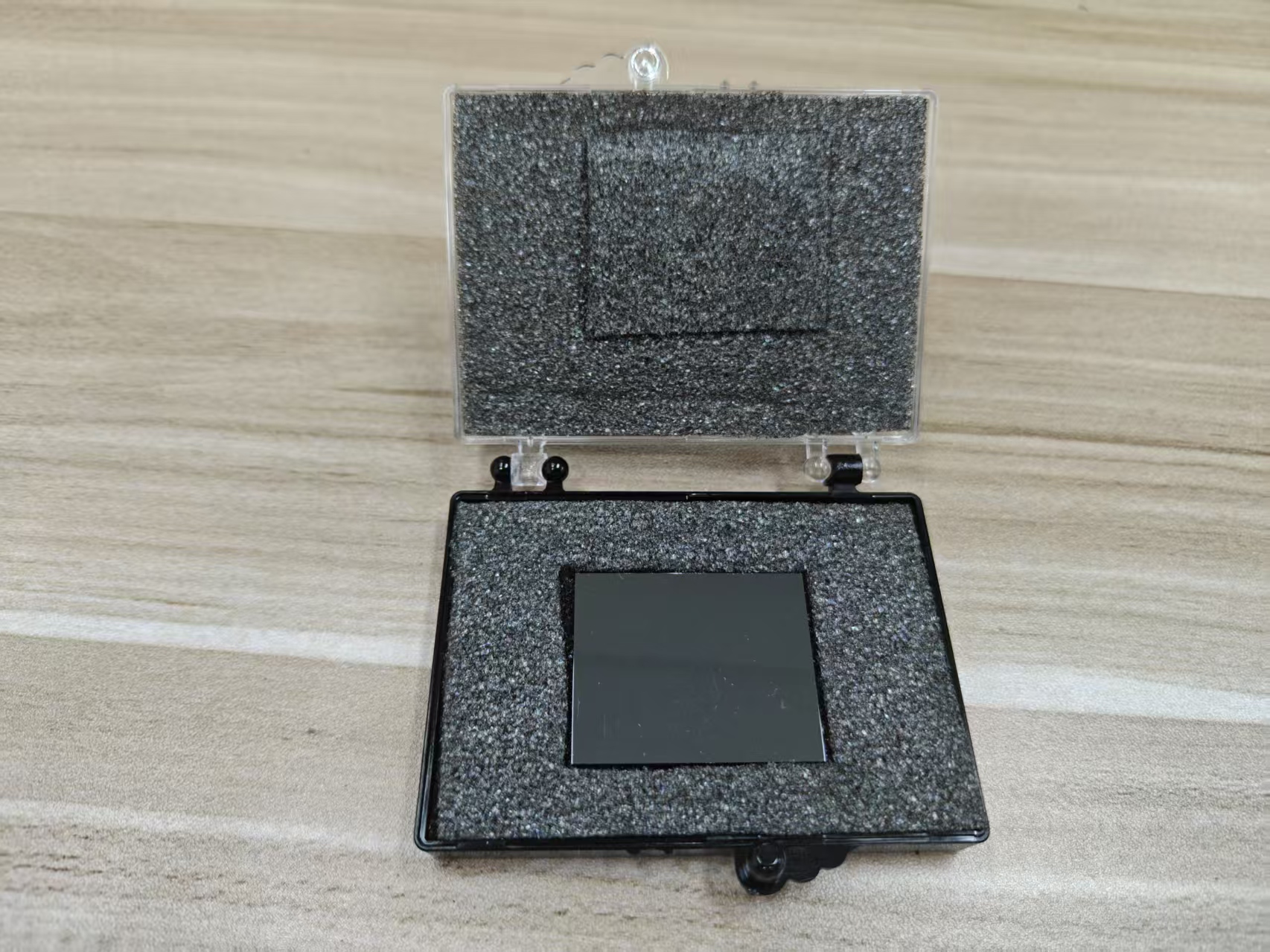
CZT (Cadmium Zinc Telluride) detectors are solid-state semiconductors that
directly convert incoming radiation into an
electrical signal. The primary advantages of CZT include
high energy resolution and
high spatial resolution. These features allow for precise
spectral analysis, which is essential for accurate imaging of complex tissues, such as tumors and surrounding organs.
Key characteristics:
*
High energy resolution: Essential for distinguishing between different radiation energies, allowing for more precise imaging of biological tissues.
*
Direct detection: No intermediate conversion step (such as scintillation), which reduces signal noise and improves overall image quality.
*
Compact and robust: Suitable for portable and fixed imaging systems.
*
Room temperature operation: Unlike some scintillators, CZT detectors can operate at room temperature, eliminating the need for cooling systems, which is beneficial for clinical settings where space and power are limited.
## Scintillator Detectors
Scintillator detectors operate by using scintillation materials (such as
NaI(Tl),
CsI, or
LSO crystals) to convert
high-energy radiation into
visible light. This light is then detected by a photodetector, often a
photomultiplier tube (PMT) or
photodiode. Scintillators are widely used in
PET and
SPECT imaging for their ability to handle high radiation flux and large area coverage.
Key characteristics:
*
Indirect detection: Radiation is first converted into light, which is then detected, adding a step that can introduce signal loss or noise.
*
High light yield: Scintillators generally provide a
higher light yield, making them efficient for high-throughput applications, such as whole-body imaging or large-scale PET scanners.
*
Good temporal resolution: Scintillators are well-suited for dynamic imaging and detecting fast events, which is important for
functional imaging in cancer treatment.
## 2. Comparison of CZT and Scintillators in Cancer Treatment Imaging
## Image Quality and Spatial Resolution
*
CZT Detectors: The
high energy resolution of
CZT detectors leads to superior
image quality and
spatial resolution. The direct conversion of radiation into an electrical signal reduces
signal loss and
noise, resulting in
sharper images with higher contrast. This is particularly important in cancer treatment, where precise localization of tumors and differentiation between healthy and cancerous tissues is critical. The improved spatial resolution offered by CZT detectors enhances the ability to detect small lesions and assess tumor boundaries accurately, which is crucial for effective treatment planning and monitoring.
*
Scintillator Detectors:
Scintillator-based systems, while producing images of good quality, generally have
lower energy resolution compared to CZT detectors. The process of converting radiation to light introduces
signal dispersion, which can reduce
image clarity and make it harder to discern small differences in tissue densities. However, advancements in scintillator materials, such as
Lutetium Yttrium Orthosilicate (LYSO), have improved their performance in terms of
spatial resolution and
light yield, making them more suitable for modern imaging systems in cancer treatment.
Best for Spatial Resolution:
CZT detectors, due to their
higher energy resolution and
direct detection capability.
## Energy Resolution and Spectral Imaging
*
CZT Detectors:
CZT detectors offer
exceptional energy resolution, which is crucial in medical imaging applications such as
SPECT and
PET. The ability to distinguish between different radiation energies allows for more detailed and accurate
spectral imaging, enabling better differentiation between tumor tissue and normal tissue. This is especially important in
multi-energy imaging systems, where precise energy discrimination helps to
improve tumor contrast and reduce artifacts from surrounding structures.
*
Scintillator Detectors: While
scintillators are typically effective for
gamma-ray detection in medical imaging, they offer
lower energy resolution compared to CZT detectors. This can lead to less accurate differentiation between radiation energies and potential
blurring of images. In some cases, this can result in
false positives or a reduced ability to identify small or low-contrast tumors.
Best for Energy Discrimination:
CZT detectors, which offer
better energy resolution and more precise
spectral imaging.
## Detection Efficiency and Sensitivity
*
CZT Detectors:
CZT detectors are known for their
high detection efficiency in the
X-ray and
gamma-ray energy ranges, which are commonly used in medical imaging. The
direct conversion of radiation into an electrical signal results in efficient energy absorption, allowing
CZT to
detect lower levels of radiation with higher sensitivity. This is advantageous in cancer treatment, where low radiation doses are often used, and
early detection of cancerous tissues is critical. Furthermore, their
compact size and
high resolution make CZT detectors suitable for integration into advanced imaging systems like
PET and
SPECT scanners, where space and detection efficiency are important.
*
Scintillator Detectors: Scintillators typically have
lower intrinsic detection efficiency compared to CZT detectors, as part of the energy is lost in the light conversion process. However,
scintillator systems with advanced photodetectors, such as
PMTs or
silicon photomultipliers (SiPMs), can offer
high throughput and good sensitivity for large-scale imaging. The
large-area coverage of scintillator detectors can be advantageous in imaging
whole-body scans for cancer detection or during
radiation therapy treatments.
Best for Sensitivity:
CZT detectors, particularly for
precise imaging at low radiation doses.
## Clinical Applicability and Treatment Integration
*
CZT Detectors:
CZT detectors are increasingly being integrated into clinical systems due to their
compactness,
high resolution, and ability to operate at
room temperature without the need for cooling systems. These attributes make them a great fit for advanced imaging modalities in
cancer treatment, such as
positron emission tomography (PET) and
single-photon emission computed tomography (SPECT), which are crucial for monitoring
tumor metabolism,
radiation therapy response, and
biomarker detection. Their ability to offer
real-time feedback and
high-quality images helps clinicians adjust treatment plans and optimize radiation dosages.
*
Scintillator Detectors:
Scintillators are well-established in
medical imaging and continue to be used in
PET and
SPECT scanners. These detectors are widely available, cost-effective, and suitable for
large-area imaging, making them particularly useful for whole-body scans or when scanning larger patient volumes. However, they are generally more suited for
general diagnostic purposes rather than highly specialized or high-resolution imaging tasks that require precise tumor delineation.
Best for General Clinical Use:
Scintillators, due to their
cost-effectiveness and
availability in established systems, but with some trade-offs in
resolution and
energy discrimination.
## 3. Advantages and Limitations for Cancer Treatment
## Advantages of CZT Detectors for Cancer Treatment
*
Superior image quality and
spatial resolution, critical for accurate tumor localization and treatment planning.
*
Better energy resolution allows for precise spectral imaging, improving tumor contrast and reducing tissue overlap.
*
High detection efficiency at low radiation doses, beneficial for
early detection and
minimally invasive procedures.
*
Compact size and
room temperature operation make CZT detectors ideal for
mobile imaging units and
clinics with space constraints.
## Advantages of Scintillator Detectors for Cancer Treatment
*
Cost-effective and widely used in established systems, making them an attractive option for general cancer screening and diagnostic imaging.
*
High throughput and
large-area coverage make them suitable for
whole-body scans or high-speed imaging.
*
Good temporal resolution, allowing for fast imaging of dynamic processes, such as tumor perfusion or response to treatment.
## Limitations of CZT Detectors
*
Higher cost compared to scintillators, which may limit their use in less specialized or lower-budget settings.
*
Smaller available detector sizes, which may restrict the coverage area for large-scale imaging applications.
## Limitations of Scintillator Detectors
*
Lower energy resolution, which can reduce the accuracy of
tumor localization and
spectral imaging.
*
Need for cooling in certain types of scintillators, increasing operational complexity and cost.
## Conclusion
In summary,
CZT detectors are more suitable for
high-resolution imaging,
energy discrimination, and
low radiation detection in cancer treatment, particularly when precise tumor localization and treatment planning are required.
Scintillator detectors, on the other hand, provide a more
cost-effective and
larger-scale solution, excelling in high-throughput applications like
whole-body scanning. The choice between the two technologies depends on specific clinical needs, including the
type of cancer treatment, the
required resolution, and the
available budget.
CdZnTe Association (CdZnTe.com)
https://www.cdznte.com/blog/czt-vs-scintillators-in-imaging-for-cancer-treatment-a-performance-breakdown.html