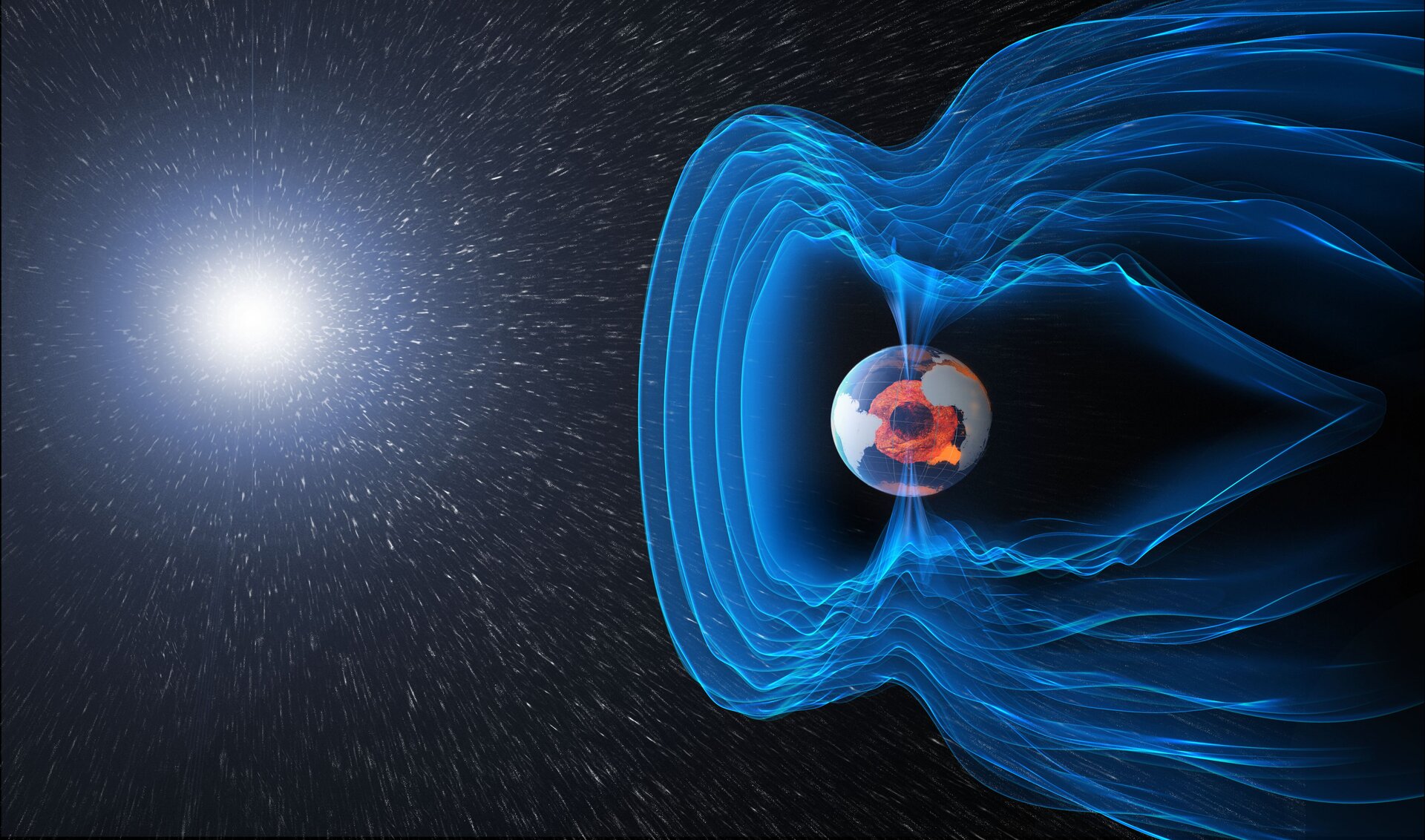
Space radiation detection is an essential component of space exploration and astronaut safety. The harsh radiation environment in space, primarily composed of galactic cosmic rays (GCRs), solar energetic particles (SEPs), and secondary particles, poses significant risks to both spacecraft and human health. Radiation detection systems are critical for monitoring these radiation levels, protecting astronauts, and ensuring the functionality of sensitive electronics aboard spacecraft.
CZT (Cadmium Zinc Telluride) and
scintillators are two prominent technologies used for detecting radiation in space. This comprehensive comparison will explore the technical aspects of CZT and scintillators, focusing on their performance in space radiation detection.
## 1. Detection Mechanism: Direct vs. Indirect Detection
*
CZT: CZT is a
semiconductor material that directly converts gamma and X-ray photons into charge carriers (electrons and holes). The material exhibits the
photoelectric effect when it interacts with high-energy particles, generating these charge carriers. These carriers are collected by electrodes, providing a direct electrical signal proportional to the energy of the incoming radiation. This direct detection mechanism is highly effective for high-energy gamma rays and X-rays, which are prevalent in space radiation.
*
Scintillators: Scintillators operate via an
indirect detection process. When high-energy radiation interacts with a scintillator material, it produces
visible light or
ultraviolet light, which is subsequently detected by a
photomultiplier tube (PMT) or
photodiode. The light is then converted into an electrical signal. Scintillators such as
NaI(Tl),
CsI(Tl), and
LSO (Lutetium Oxyorthosilicate) are common materials used in space radiation detection, with NaI(Tl) being particularly useful due to its relatively high gamma ray sensitivity.
## 2. Energy Resolution
*
CZT: One of the key advantages of CZT detectors is their
excellent energy resolution, which allows for precise identification of radiation energies. CZT detectors typically achieve energy resolutions in the range of
5-8% at 662 keV (the energy of the gamma ray emitted by cesium-137). This high resolution is particularly beneficial for distinguishing between various types of space radiation, such as high-energy protons, alpha particles, and gamma rays, enabling more accurate measurements of radiation spectra and better understanding of the radiation environment.
*
Scintillators: Scintillator materials generally offer
poorer energy resolution compared to CZT. For instance,
NaI(Tl), a common scintillator material, has an energy resolution in the range of
8-12% at 662 keV. While scintillators still provide effective detection of high-energy radiation, the lower energy resolution can make it difficult to distinguish between radiation types, especially in environments like space, where different particle species (protons, heavy ions, gamma rays) are present at varying energies.
## 3. Efficiency and Sensitivity
*
CZT: CZT detectors are highly efficient due to their
high atomic number (Z), which increases the likelihood of interactions with gamma rays and X-rays. The high intrinsic efficiency of CZT allows it to detect lower energy photons more effectively than other materials, making it suitable for
high-sensitivity applications in space radiation detection. Additionally, CZT detectors are able to operate
at room temperature, which is advantageous for space missions as they eliminate the need for complex and bulky cooling systems required by other semiconductor detectors like germanium detectors.
*
Scintillators: Scintillators generally have a
lower efficiency for detecting gamma rays than CZT, primarily because of their lower atomic number and indirect detection mechanism. However, certain scintillator materials like
LSO and
CsI(Tl) offer improved efficiency and are often used in
high-light-output configurations to optimize performance in space radiation detection. Scintillators like
NaI(Tl) are efficient for detecting gamma rays, but they become less efficient at
high-energy levels (e.g., >1 MeV), which is a common concern in space radiation environments where high-energy particles dominate.
## 4. Material Stability in Space
*
CZT: CZT is
highly stable in space environments and performs reliably under the harsh conditions of space. Unlike many other semiconductor materials, CZT can operate at
room temperature, reducing the complexity and energy requirements associated with cryogenic cooling. This feature is particularly advantageous for space missions, where maintaining operational temperature conditions is often a challenge. Additionally, CZT is relatively resistant to radiation damage, making it well-suited for long-duration missions in space where exposure to high levels of cosmic radiation is inevitable.
*
Scintillators: Scintillators, while generally stable, can suffer from
radiation-induced degradation over time, especially with prolonged exposure to high-energy particles in space. The
light output of some scintillator materials may degrade as they accumulate radiation damage, leading to decreased performance over extended missions. This can be particularly problematic in space, where detectors must remain functional for months or years. Some scintillators, however, such as
LSO and
PbWO4, are more resilient to radiation damage and can operate effectively in space, though they may still suffer from performance degradation under intense radiation exposure.
## 5. Real-Time Detection and Temporal Resolution
*
CZT: CZT detectors offer
high temporal resolution due to their direct conversion of gamma and X-ray photons into electrical signals. This allows for
real-time detection of space radiation events, such as
solar particle events (SPEs) or
cosmic ray bursts, which are essential for monitoring radiation in space and issuing timely warnings to astronauts and spacecraft systems. The ability to rapidly detect and measure space radiation events also helps in studying the
dynamics of solar radiation and cosmic rays, which can vary significantly over time.
*
Scintillators: Scintillators also provide real-time detection of radiation, but their
temporal resolution may not be as high as CZT detectors, especially when using
photon detection systems that involve longer signal processing times. This can limit the ability to detect
fast transients or
short-duration radiation events, such as sudden solar flares, in real time. However, improvements in
solid-state photodetectors and
fast scintillator materials can mitigate this limitation to some extent.
## 6. Detector Size and Form Factor
*
CZT: CZT detectors, while compact, require
precise fabrication and
high-quality crystals to achieve optimal performance. The detector size can vary depending on the intended application, but CZT crystals can be relatively
small and portable, making them ideal for
miniaturized space-based detection systems. Their ability to operate without cooling systems makes them more
space-efficient, which is crucial for space missions where size and weight are important constraints.
*
Scintillators: Scintillator detectors can be made in a variety of shapes and sizes, depending on the radiation detection needs. While some scintillators are
lightweight and
compact, others may require more complex
light guides or
photodetector systems that can increase the size and weight of the detector. The modular nature of scintillator systems makes them flexible for use in large-scale radiation detection arrays, but for smaller, more compact spacecraft-based applications,
CZT detectors tend to be more suitable.
## 7. Applications in Space Radiation Detection
*
CZT: CZT detectors are particularly advantageous in
space radiation detection, where high energy resolution and sensitivity are essential. They are ideal for applications like
space weather monitoring, where detailed analysis of gamma ray spectra and charged particles is required. CZT is also widely used in
gamma ray spectrometers and
space-based particle detectors, where its superior energy resolution aids in distinguishing between different types of space radiation, such as galactic cosmic rays (GCRs) and solar energetic particles (SEPs). CZT detectors are also used in
astrophysical applications, where detecting high-energy gamma rays from cosmic sources is critical.
*
Scintillators: Scintillators, particularly
NaI(Tl),
CsI(Tl), and
LSO, are often used in space radiation detection systems due to their
high light yield and ability to detect a broad spectrum of radiation. Scintillators are commonly employed in
spacecraft radiation monitors,
cosmic ray detectors, and
solar particle detectors. However, due to their relatively lower energy resolution, they are typically used in
broad-spectrum detection applications where high precision is less critical, such as
general radiation monitoring and
cosmic ray detection.
## 8. Cost and Practical Considerations
*
CZT: The cost of
CZT detectors is generally higher than that of scintillators due to the complexity of the materials and the precision required in manufacturing the crystals. The high performance and reliability of CZT in space applications, however, justify the investment, particularly for long-term, high-precision missions like planetary exploration or space weather monitoring. The need for
room-temperature operation and
resistance to radiation damage makes CZT a valuable technology for deep space missions.
*
Scintillators: Scintillator detectors are
more affordable and
easier to manufacture than CZT detectors. They are suitable for large-scale or
low-cost space missions where high-precision detection is not the primary requirement. However, for
long-duration space missions or missions requiring
high-resolution radiation monitoring, the lower energy resolution and potential degradation of scintillators may necessitate periodic calibration or replacement.
## Conclusion
Both
CZT and
scintillators have significant roles to play in
space radiation detection, each with its strengths and limitations.
CZT detectors excel in
energy resolution,
sensitivity, and
temporal resolution, making them ideal for
high-precision measurements of space radiation, such as in
space weather monitoring and
gamma-ray astrophysics. Their
direct detection capability and
resilience to radiation damage make them particularly well-suited for
long-duration space missions.
On the other hand,
scintillators, while offering lower energy resolution and potential radiation damage over time, remain a
cost-effective option for
broad-spectrum radiation monitoring in space. They are often used in general-purpose radiation detectors and are valuable for missions where the primary goal is detecting radiation events rather than high-resolution energy spectra.
Ultimately, the choice between CZT and scintillators depends on the specific requirements of the space mission, including the need for
precision,
sensitivity,
size, and
cost considerations. For high-end applications that demand accuracy and long-term reliability,
CZT detectors are the superior choice, while
scintillators continue to be widely used for general radiation monitoring tasks in space.
CdZnTe Association (CdZnTe.com)
https://www.cdznte.com/blog/czt-vs-scintillators-in-space-radiation-detection-a-comprehensive-comparison.html



