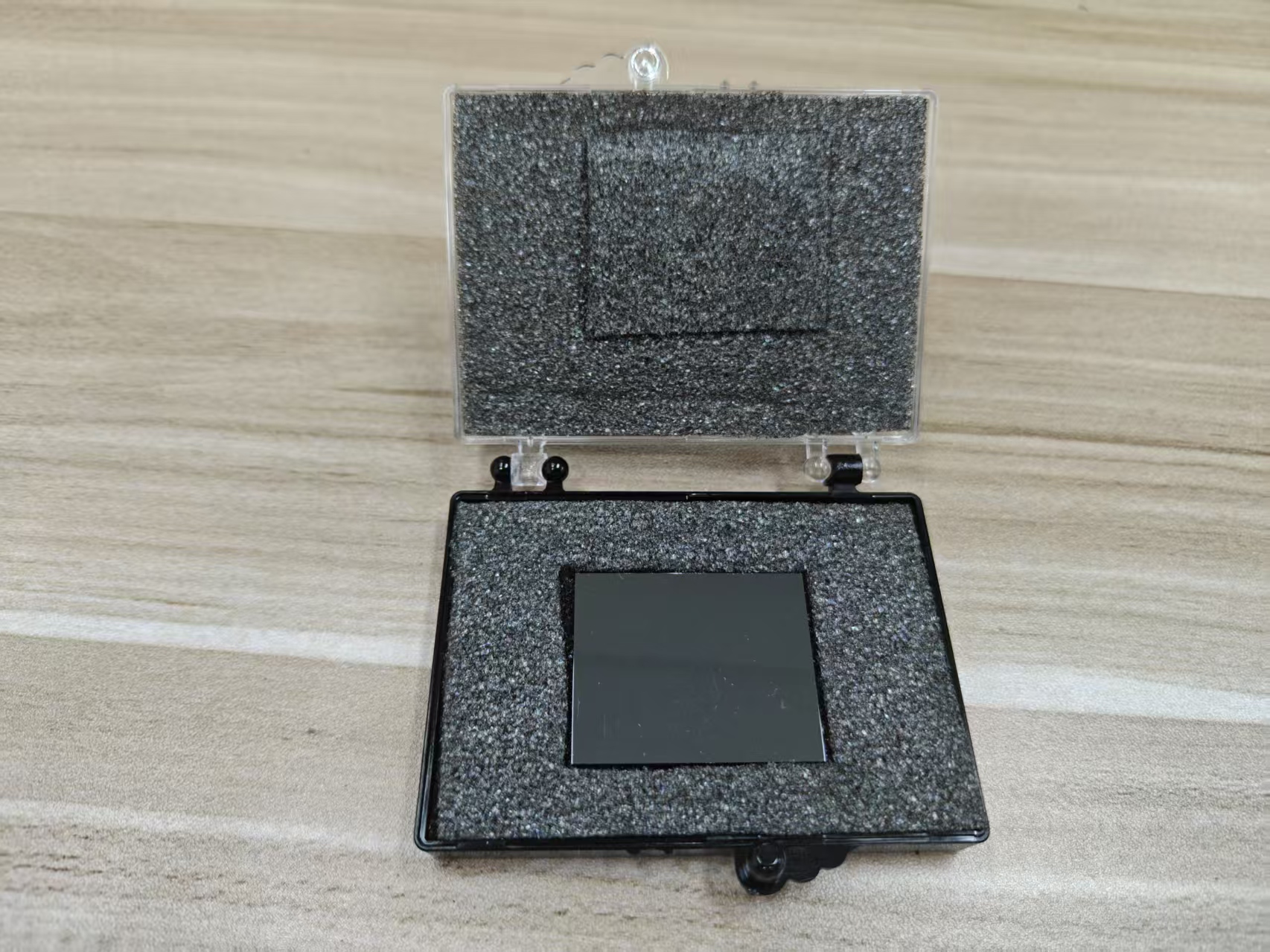
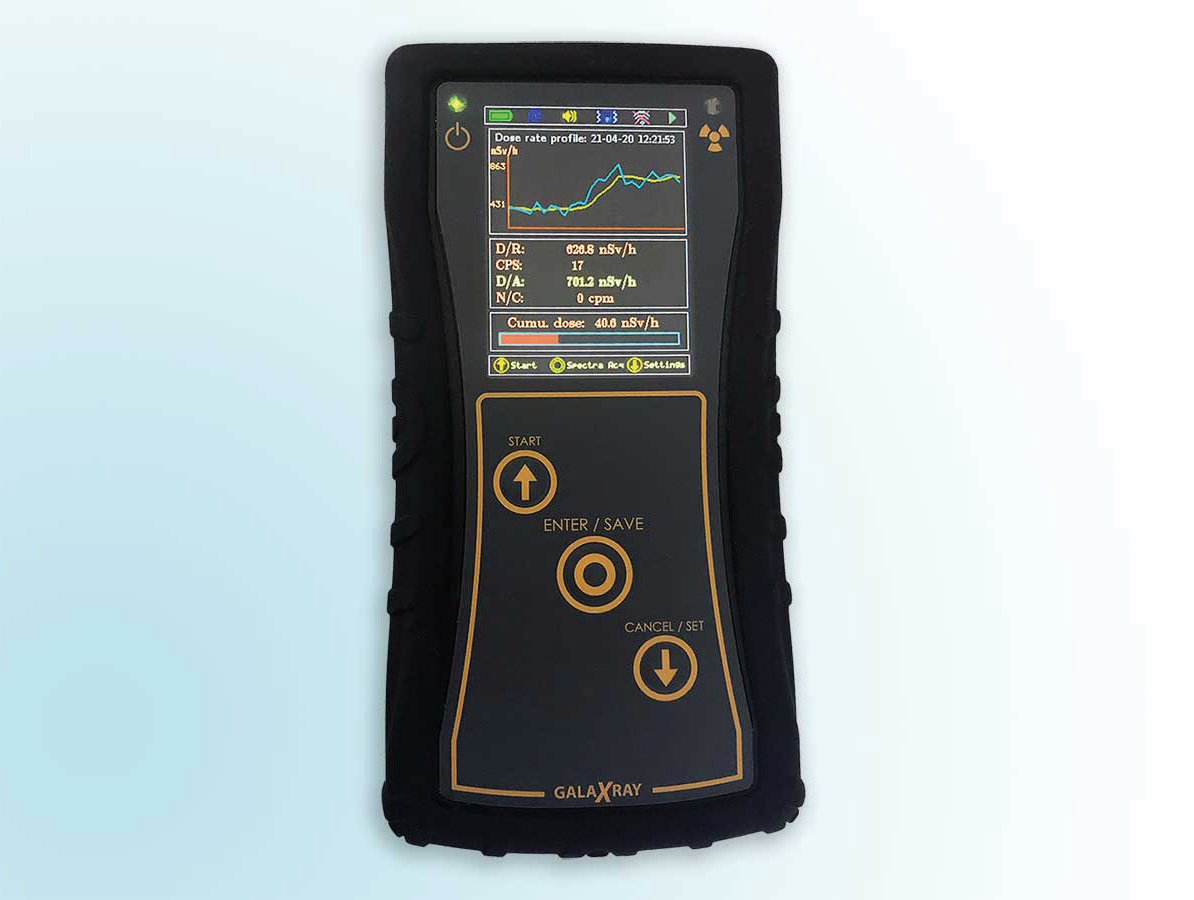
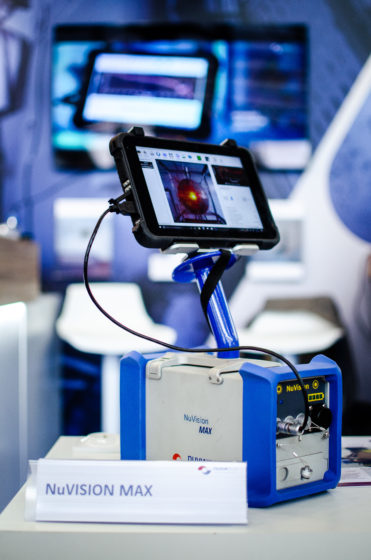
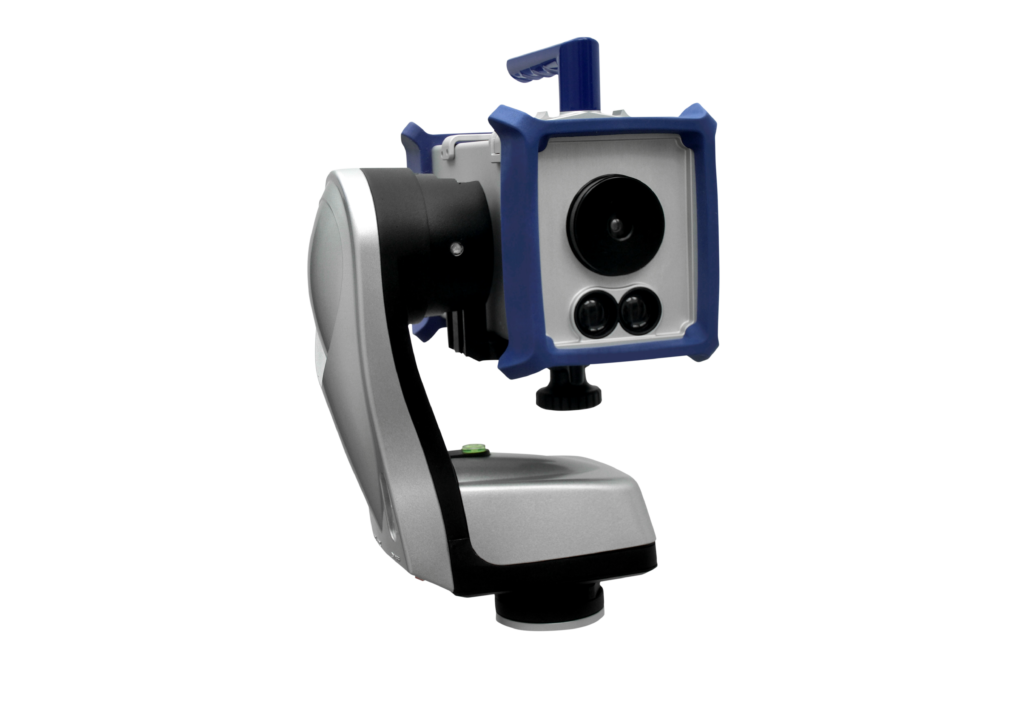
CZT (Cadmium Zinc Telluride)
 detectors and
Geiger counters are both commonly used for
radiation detection, but they operate on different principles and offer varying levels of performance in terms of
sensitivity,
energy resolution, and
type of radiation detection. Each technology has its advantages and limitations depending on the application. Below is a detailed comparison between
CZT detectors and
Geiger counters in the context of
radiation detection, focusing on their differences, strengths, and suitable use cases.
## 1. Detection Principle
## a. CZT Detectors
CZT detectors work by detecting
ionizing radiation (gamma rays, X-rays) through the
photoelectric effect and
Compton scattering. When high-energy radiation enters the CZT crystal, it interacts with the atoms, causing electrons to be ejected, and these free electrons create an electric signal that can be measured. The
charge transport properties of the
CZT crystal are optimized for direct detection of
gamma and X-rays, enabling them to produce a
precise energy spectrum of the incoming radiation.
*
Semiconductor-based: CZT is a
semiconductor material, which means that it works similarly to other semiconductor detectors (like
silicon or
Germanium) but offers advantages in terms of energy resolution and the ability to operate at room temperature.
## b. Geiger Counters
Geiger counters, also known as
Geiger-Müller counters, work based on the
Geiger-Müller tube. The tube contains an inert gas (such as
argon) and a central wire electrode. When ionizing radiation passes through the tube, it ionizes the gas inside, causing a
cascade of ionizations that leads to an electrical pulse. This pulse is counted and displayed on the device, providing information about the amount of radiation detected.
*
Gas-filled detector: Geiger counters do not measure the energy of the radiation but only detect its presence and the number of ionizing events.
## 2. Energy Resolution
## a. CZT Detectors
CZT detectors are known for their
high energy resolution, meaning they can
precisely distinguish between different energies of radiation. This is a critical feature when identifying the specific type of radiation or isotope involved in a nuclear or radiological event.
*
High resolution: CZT's
energy resolution is typically much better than that of a Geiger counter, which allows for more detailed
spectral analysis of the detected radiation. This means CZT detectors can tell you not just the presence of radiation but also its
exact energy, which is essential for
identifying isotopes in environmental monitoring, medical imaging, and nuclear security.
## b. Geiger Counters
In contrast,
Geiger counters offer
poor energy resolution. They cannot distinguish between different types of radiation with high precision and only indicate the
count rate (i.e., the number of ionizing events per unit of time).
*
No spectral data: Geiger counters cannot provide detailed
spectral information or
energy profiles of the detected radiation, which limits their ability to differentiate between sources of radiation that emit the same or similar energy levels.
## 3. Sensitivity to Radiation Types
## a. CZT Detectors
CZT detectors are highly sensitive to
gamma rays,
X-rays, and, to some extent,
high-energy beta particles. Their ability to detect
gamma radiation makes them well-suited for a variety of applications, from
medical imaging (e.g.,
SPECT) to
nuclear safety and
space exploration.
*
High sensitivity: CZT detectors can detect
low levels of radiation with high sensitivity and accuracy, and they can provide detailed data about the
energy and
origin of the radiation.
## b. Geiger Counters
Geiger counters are sensitive primarily to
beta particles and
gamma radiation, but they are typically less effective at
detecting low-energy gamma rays or
X-rays. They are best for detecting
high radiation doses and
nuclear contamination, but they may be less effective in cases where fine detail (such as the
energy of the radiation) is needed.
*
Limited to detection only: Geiger counters are great for
simple radiation detection and general surveys, but they lack the ability to detect specific energy levels or identify the types of radioactive isotopes emitting the radiation.
## 4. Size and Portability
## a. CZT Detectors
CZT-based radiation detectors are typically more
compact and
portable than traditional
germanium detectors, but they can still be
bulkier compared to Geiger counters. However,
CZT detectors can be miniaturized for use in portable
handheld devices and are often used in
security applications like
airport scanning,
border security, and
environmental monitoring.
*
Versatile form factors: CZT detectors are available in various forms, including
handheld units,
scanning systems, and
mobile platforms, making them highly versatile.
## b. Geiger Counters
Geiger counters are
small, lightweight, and very portable, making them ideal for
field surveys, personal monitoring, and general radiation screening. They are widely used in
health physics,
environmental radiation surveys, and
civil defense due to their low cost and ease of use.
*
Highly portable: Because they are lightweight and relatively inexpensive, Geiger counters are often preferred for
quick radiation detection in
field settings, although they sacrifice
detailed information about the radiation source.
## 5. Response Time
## a. CZT Detectors
CZT detectors typically have
fast response times, meaning they can detect and report radiation events almost instantaneously. However, the
readout time and data processing may be slightly slower than that of Geiger counters due to the additional
signal processing required for spectral analysis.
*
Real-time data: While the processing time is a consideration, CZT detectors provide
real-time data on
energy levels and
radiation intensity once the data is processed.
## b. Geiger Counters
Geiger counters offer almost
instantaneous feedback, displaying a count rate or a click sound when radiation is detected. This
real-time response makes them ideal for
rapid surveys and
real-time alerts.
*
Immediate feedback: The quick response of Geiger counters makes them ideal for detecting
hot spots or large radiation sources in environments where time is critical.
## 6. Applications and Use Cases
## a. CZT Detectors
CZT detectors are typically used in more
detailed applications that require
precise energy measurement and
spectral analysis:
*
Medical imaging (e.g.,
SPECT scanners).
*
Security applications (e.g.,
border security,
cargo screening).
*
Environmental monitoring (e.g., monitoring radiation around
nuclear power plants).
*
Space exploration (e.g.,
radiation monitoring in space).
CZT detectors are often used in
high-sensitivity applications where the
energy and
type of radiation are critical to understand.
## b. Geiger Counters
Geiger counters are more commonly used in simpler,
rapid detection situations where
detailed spectral information is not required:
*
Personal radiation monitoring.
*
Field surveys for detecting
contamination or
hot spots.
*
Civil defense and nuclear disaster response.
*
Industrial radiography.
Geiger counters are excellent for general surveys and for
spotting radiation in environments where
rapid detection is needed without the need for detailed
isotope identification.
## 7. Cost and Accessibility
## a. CZT Detectors
CZT detectors are
more expensive to manufacture and purchase than Geiger counters. The production of
high-quality CZT crystals is complex, requiring precise crystal growth techniques. This makes CZT detectors a more costly option, often reserved for specialized applications like
medical imaging,
nuclear security, and
research.
## b. Geiger Counters
Geiger counters are relatively
low-cost devices, widely available for personal and professional use. They are affordable enough for
general public use,
training in
radiation safety, and
quick radiation surveys. However, they are limited in the amount of data they can provide and are generally
less expensive than CZT detectors.
## Conclusion
In summary, both
CZT detectors and
Geiger counters have their unique advantages and are suited to different types of
radiation detection applications:
*
CZT detectors offer
high energy resolution,
precise spectral data, and are ideal for applications requiring
detailed analysis of radiation energy and isotope identification. They are commonly used in
medical imaging,
security, and
environmental monitoring where energy-specific information is crucial.
*
Geiger counters, on the other hand, provide
simple, fast, and portable radiation detection with a focus on
counting ionizing events. They are best for
rapid surveys,
personal monitoring, and applications where
detailed energy information is not needed.
The choice between
CZT detectors and
Geiger counters depends on the specific requirements of the application, such as the need for
sensitivity,
energy resolution,
portability, and
cost.
CdZnTe Association (CdZnTe.com)
https://www.cdznte.com/blog/how-does-czt-compare-to-geiger-counters-in-radiation-detection.html