 Cadmium Zinc Telluride
 (CZT) performs exceptionally well in
X-ray and
gamma-ray detection, making it one of the most valuable materials for high-energy photon detection in various scientific, industrial, and medical applications. Its unique physical and electronic properties allow it to outperform many other materials in this domain, particularly due to its high
atomic number (Z),
wide bandgap,
energy resolution, and
room-temperature operation. Below is a detailed explanation of how CZT performs in
X-ray and
gamma-ray detection:
## 1. Interaction with High-Energy Radiation (X-ray and Gamma-ray)
When high-energy photons, such as
X-rays or
gamma rays, interact with a material like CZT, several key processes occur, including:
*
Photoelectric Effect: In this process, the incoming photon transfers all of its energy to an electron in the CZT material, ejecting the electron and creating an
electron-hole pair. This is the most efficient interaction for low-energy photons and contributes significantly to the material's ability to detect high-energy radiation.
*
Compton Scattering: This occurs when a photon interacts with an electron, scattering in a different direction while transferring only part of its energy to the electron. While this effect is less efficient than the photoelectric effect, it still contributes to the material’s overall detection efficiency, particularly for intermediate energy photons.
*
Pair Production: For very high-energy gamma photons (typically above 1.02 MeV), the energy of the photon can be converted into an electron-positron pair. This effect is less common but still important for detecting very high-energy gamma radiation.
CZT’s high
atomic number (Z), particularly due to its cadmium and tellurium content, increases the probability of these interactions, especially the
photoelectric effect, making CZT highly effective at
photon absorption. This directly contributes to the
detection efficiency of CZT detectors.
## 2. High Detection Efficiency
The detection efficiency of CZT in X-ray and gamma-ray applications is high due to its
atomic composition,
density, and
wide bandgap. The
high atomic number enhances the material’s ability to interact with photons, leading to greater
photoelectric absorption of the incoming X-rays or gamma-rays. This is particularly important for
high-energy radiation, as CZT can efficiently absorb photons and convert them into measurable electrical signals.
*
High atomic number: Cadmium (Z=48) and tellurium (Z=52) contribute to an effective Z value that enhances photon interaction efficiency.
*
Density: CZT has a relatively high
density (approximately 5.85 g/cm³), which increases the likelihood of photon absorption per unit volume, making it highly effective for detecting penetrating radiation like gamma rays.
For
gamma-ray detection, the
detection efficiency can be further enhanced by optimizing the
thickness of the CZT crystal. Thicker crystals allow for greater
photon interaction, which increases the probability of detecting a photon, especially in high-energy applications.
## 3. Energy Resolution
One of the most significant advantages of CZT over other semiconductor materials such as
silicon or
germanium is its
energy resolution in X-ray and gamma-ray detection.
Energy resolution refers to the ability of the detector to distinguish between photons of different energies. This is crucial for applications like
spectroscopy, where it is important to identify the specific energy of the radiation.
CZT’s excellent energy resolution comes from the following factors:
*
Wide bandgap (1.4 to 1.6 eV) reduces
thermal excitation of charge carriers at room temperature, which minimizes
thermal noise and
leakage current, allowing the material to maintain a high signal-to-noise ratio.
* The
charge transport properties in CZT are optimized to allow efficient collection of charge carriers generated by photon interactions, which improves the precision with which the energy of each photon is measured.
*
Low defect density and
high purity of the crystal reduce the likelihood of
carrier recombination, which can degrade energy resolution. When the crystal quality is high, the signal produced from each photon interaction is more distinct, allowing for better energy discrimination.
This results in CZT detectors providing
high-resolution spectra with minimal
peak broadening, making them ideal for applications requiring
precise energy measurements, such as in
gamma-ray spectroscopy for nuclear physics or
medical imaging.
## 4. Room-Temperature Operation
Unlike
germanium, which requires cooling (typically to liquid nitrogen temperatures) to achieve optimal performance, CZT can operate at
room temperature while still providing excellent energy resolution and detection efficiency. This is a major advantage in terms of practicality and cost, as it eliminates the need for complex and expensive cooling systems.
Room-temperature operation also allows for:
*
Portable detectors: CZT-based detectors are lightweight, portable, and suitable for field applications such as in
nuclear security or
environmental monitoring.
*
Lower power consumption: Room-temperature operation reduces the overall power consumption of the system, which is essential for
battery-powered applications.
This property makes CZT highly suitable for use in
medical imaging,
handheld radiation detectors,
space exploration, and
security applications, where cooling would add significant operational complexity.
## 5. Compactness and Versatility
CZT detectors can be fabricated into a variety of forms, including
thin films,
large-area detectors, and
pixelated arrays. This versatility allows CZT detectors to be used in a wide range of applications, from
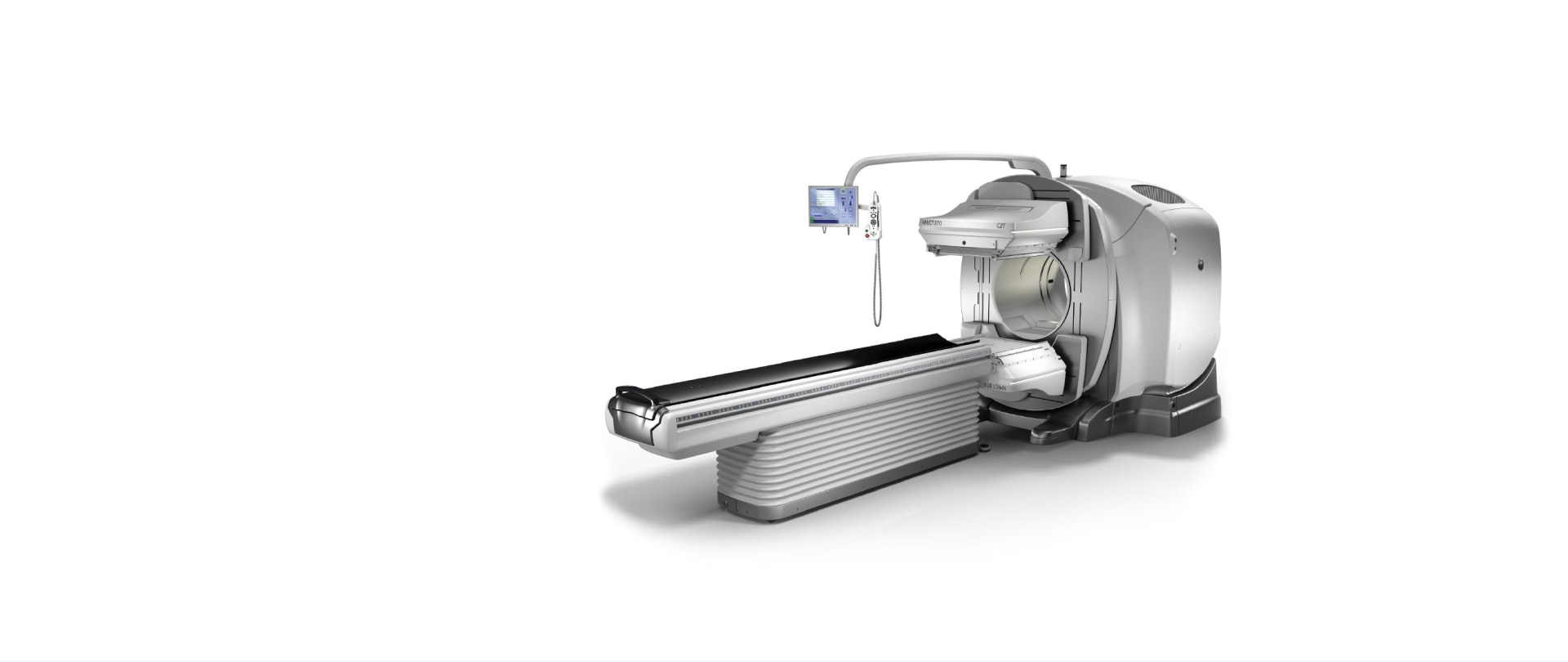
large-area imaging systems in medical devices like
SPECT (Single Photon Emission Computed Tomography) and
PET (Positron Emission Tomography) to
small, portable handheld detectors for
nuclear security and
environmental monitoring.
CZT’s ability to detect both
low-energy X-rays and
high-energy gamma rays makes it adaptable for
multi-energy radiation detection systems, which can differentiate between various types of radiation and isotopes.
## 6. Low Leakage Current and High Sensitivity
CZT’s
wide bandgap also results in
low leakage current at room temperature, which is essential for maintaining the sensitivity and precision of the detector.
Leakage current is the unwanted current that flows through the detector due to thermally generated carriers in the absence of radiation. High leakage current leads to
increased noise and reduces the signal-to-noise ratio, which negatively impacts detection performance.
By maintaining low leakage current, CZT detectors can operate with
higher sensitivity and better signal fidelity, making them more reliable for detecting weak radiation signals. This is particularly beneficial in
low-dose imaging applications, such as in medical diagnostics, where detecting faint radiation signals is essential.
## 7. Long-Term Stability and Durability
CZT exhibits good
mechanical and chemical stability under various environmental conditions, such as temperature fluctuations and exposure to humidity. This makes CZT detectors suitable for long-term deployment in
harsh environments, such as in space exploration,
nuclear power plants, or
radiation monitoring applications. The durability and
long-term performance of CZT are enhanced by its resistance to radiation damage, which is a key concern in high-radiation environments.
## 8. Applications in X-ray and Gamma-ray Detection
*
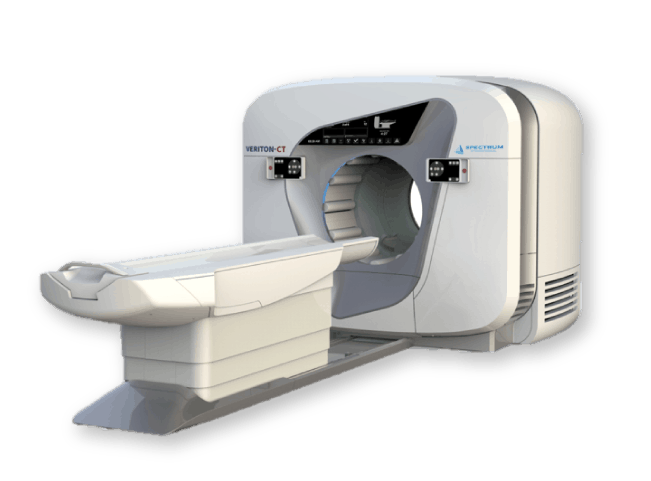
Medical Imaging: In applications like
SPECT and
X-ray computed tomography (CT), CZT-based detectors offer high spatial and energy resolution, allowing for high-quality images with minimal radiation exposure to patients.
*
Nuclear Spectroscopy: CZT detectors are widely used in
gamma spectroscopy to identify and quantify radioactive isotopes in various environments, from
nuclear waste management to
security and defense applications.
*
Security and Defense: CZT is used in
radiation portal monitors,
handheld radiation detectors, and
border security systems for the detection of illicit radioactive materials.
*
Space Exploration: CZT detectors are used in
space-based telescopes and
satellite instruments to study cosmic gamma-ray and X-ray emissions from distant astronomical objects such as supernovae, black holes, and neutron stars.
## Summary:
CZT excels in
X-ray and gamma-ray detection due to its
high atomic number,
wide bandgap,
excellent energy resolution,
room-temperature operability, and
high detection efficiency. These properties make it an ideal material for a variety of radiation detection applications, including
medical imaging,
nuclear spectroscopy,
security, and
space exploration. Its ability to detect high-energy photons with high precision and at room temperature sets it apart from many other materials, such as
germanium, which require cooling to perform similarly.
CdZnTe Association (CdZnTe.com)
https://www.cdznte.com/blog/how-does-czt-perform-in-x-ray-and-gamma-ray-detection.html