The
annealing time plays a crucial role in
reducing dislocation density in
CdZnTe (CZT) films, especially when it comes to improving material quality for
optoelectronic applications, such as
detectors and
solar cells. During the
annealing process, high-temperature treatments allow for the
recovery and
recombination of defects, including
dislocations. The
dislocation density reduction is influenced by several factors, such as the
annealing temperature,
ambient conditions, and
annealing duration.
## Mechanisms Behind Dislocation Density Reduction
1.
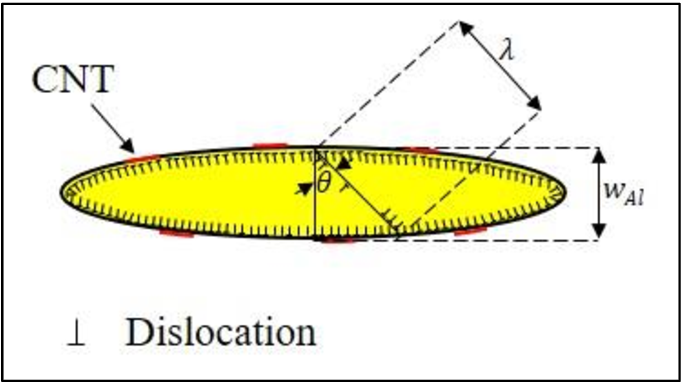
Thermal Annealing and Dislocation Motion During annealing, the high temperature provides the necessary energy to
activate dislocation motion, allowing dislocations to
move, annihilate, or
recombine with other dislocations. In some cases, dislocations can form
dislocation loops or
pile-ups at specific sites, but with proper control of the annealing process, they can merge or
cancel out, reducing the overall dislocation density.
2.
Recovery of Strain Dislocations in the CZT film are often introduced due to
strain during the
epitaxial growth process (e.g.,
CZT-GaAs lattice mismatch).
Annealing at elevated temperatures helps the film relax, promoting strain relief and
defect annihilation, which in turn reduces
dislocation density.
3.
Diffusion of Point Defects In addition to dislocations,
point defects (such as
vacancies and
interstitials) can also play a role in dislocation formation. Annealing allows for
diffusion of point defects, which can
recombine with dislocations or
reduce defect density by occupying sites that would otherwise host dislocations.
## Effect of Annealing Time on Dislocation Density
The influence of annealing time on dislocation density reduction is not linear. It depends on the
thermal activation energy for dislocation motion and annihilation, as well as the specific
material conditions. Here’s a breakdown of how
annealing time influences dislocation density reduction:
## 1. Short Annealing Times
* At lower annealing durations (typically in the range of
minutes to 1 hour), dislocations begin to
move and
recombine, but the reduction in dislocation density is usually limited.
* Short anneals typically result in a
partial relaxation of the strain in the material, and while the dislocation density reduces slightly, the film may still have significant
defect-related properties.
## 2. Intermediate Annealing Times
* With
moderate annealing times (around
1 to 3 hours), more dislocations can annihilate, leading to a
more noticeable reduction in dislocation density.
* This timeframe often allows for the
effective recombination of dislocations, as long as the temperature is maintained within the
optimal range (typically
400–600°C for CZT).
* Annealing in this window tends to give a
better compromise between reducing dislocations and maintaining the material's
electrical and optical properties.
## 3. Long Annealing Times
*
Extended annealing times (beyond
3–5 hours) may lead to
further reduction in dislocation density, but the effect
plateaus beyond a certain point. If the annealing is prolonged too long, there is a risk of
over-annealing, which can result in the formation of
grain boundaries,
voids, or
other unwanted defects that degrade material properties.
* Prolonged annealing also
increases the likelihood of
material diffusion at the film-substrate interface, potentially leading to
interdiffusion between the
CZT film and
GaAs substrate, which could degrade device performance.
## Reported Optimal Annealing Duration
Several studies on
CZT films grown via
Close-Spaced Sublimation (CSS) and other methods indicate that the
optimal annealing time for dislocation density reduction typically falls within the range of
1 to 3 hours at temperatures between
400–500°C. Some reported values are:
*
1 hour: In many studies,
1-hour annealing at
450–500°C has been shown to result in significant
dislocation density reduction without introducing other significant defects.
*
2–3 hours: Annealing at these durations generally provides a
more complete dislocation reduction, with a further improvement in
electrical properties and
material quality. However, for the
best results, the temperature must be controlled carefully to avoid excessive grain growth or other
thermally induced defects.
## Factors Affecting the Optimal Duration
1.
Material Thickness and Film Quality: Thicker films or films with higher initial defect densities may require slightly longer annealing times to effectively reduce dislocation density.
2.
Substrate Material: The choice of substrate, such as
GaAs, can influence the
diffusion dynamics during annealing. A substrate with a significantly different lattice constant may require longer or more specific annealing conditions to achieve effective strain relaxation and dislocation annihilation.
3.
Annealing Atmosphere: The ambient conditions (e.g.,
Te₂ atmosphere,
vacuum, or
inert gas) during annealing can also affect the defect dynamics. For example, annealing in a
Te-rich atmosphere can help to
passivate certain defects and
further reduce dislocation density.
## Conclusion
In summary, the
optimal annealing duration for
dislocation density reduction in
CZT films is typically between
1 to 3 hours, with
450–500°C being the most commonly reported temperature range. Longer annealing times can lead to diminishing returns or even damage to the film, so it’s essential to balance the annealing duration to achieve
effective dislocation reduction while maintaining
material quality.
CdZnTe Association (CdZnTe.com)
https://www.cdznte.com/blog/how-does-the-annealing-time-influence-the-dislocation-density-reduction-in-czt-films-and-what-is-the-optimal-duration-based-on-the-reported-data.html