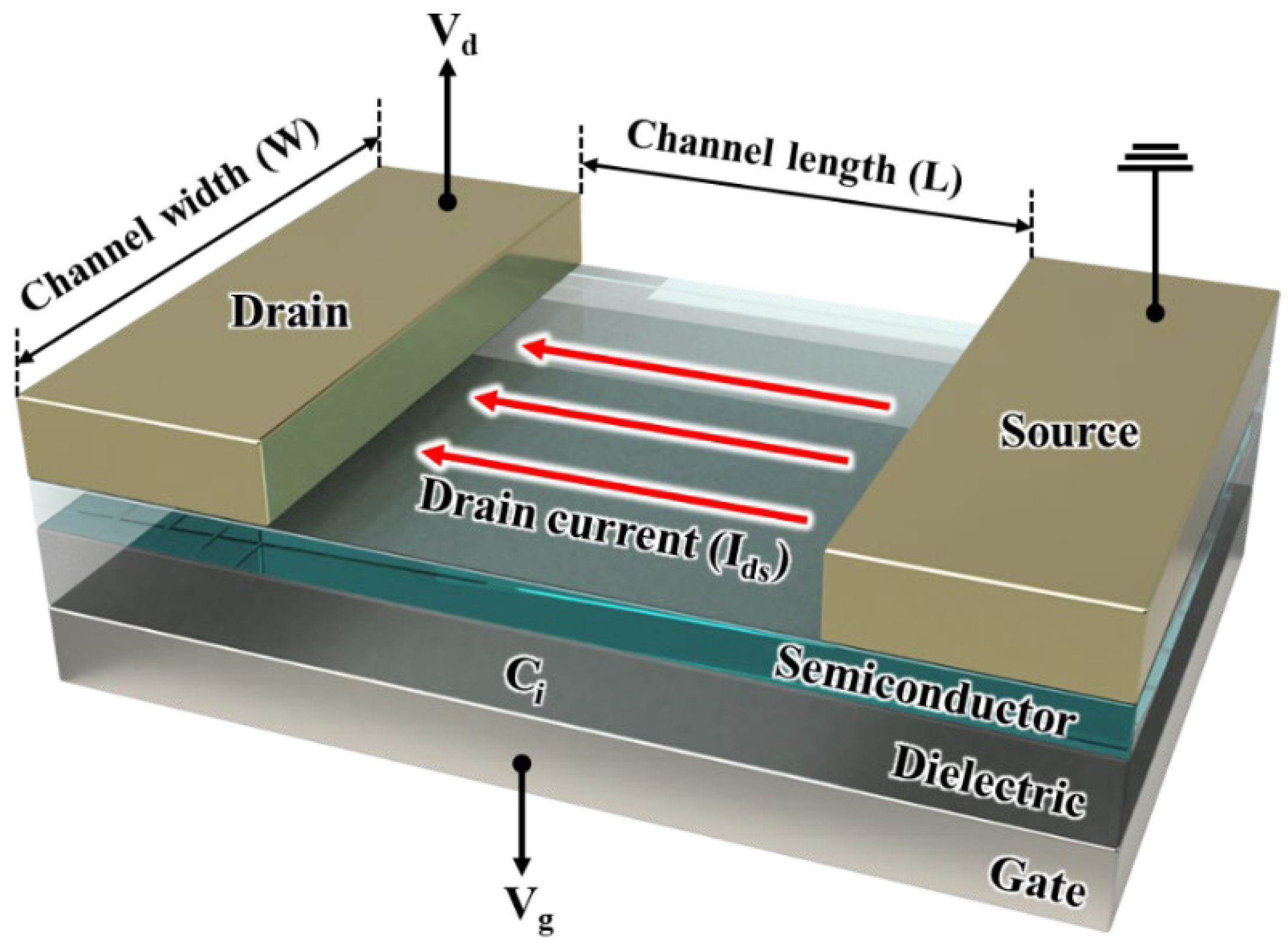
The
charge trapping phenomenon plays a critical role in the performance of
CZT (Cadmium Zinc Telluride) detectors, especially when used for radiation detection in applications like
gamma-ray,
X-ray, and
neutron detection. Charge trapping refers to the process where
charge carriers (electrons and holes) generated by radiation are temporarily captured by
trap sites or
defects in the crystal structure, preventing them from contributing to the electrical signal. This process can significantly degrade the performance of the detector, leading to various issues such as
reduced charge collection efficiency,
worsened energy resolution, and
increased noise. Understanding how charge trapping affects CZT detectors is essential for improving their design and performance in critical detection applications.
## Charge Trapping Mechanism in CZT
1.
Creation of Trap States * In CZT, radiation exposure creates
electron-hole pairs when high-energy photons or particles interact with the material. However, due to the presence of
defects in the crystal lattice (such as vacancies, interstitials, dislocations, and impurity atoms),
trap sites are formed within the
bandgap.
* These traps capture charge carriers (either
electrons or
holes) and prevent them from traveling towards the electrodes, reducing the overall efficiency of charge collection in the detector. The
trap depth and the
energy level of these defects within the bandgap directly influence how effectively charge carriers are trapped.
2.
Types of Traps * The types of traps in CZT detectors can vary, and they are primarily associated with
vacancies (missing atoms) and
interstitials (atoms displaced from their lattice positions). Common defects include
cadmium vacancies (Cd-V),
tellurium vacancies (Te-V),
zinc vacancies (Zn-V), and
cadmium interstitials (Cd-Int). These defects, especially when they form clusters, create
localized charge traps within the crystal.
* Additionally, the
dopants used in the crystal growth process, such as
indium (In) or
silver (Ag), can create shallow traps that may also contribute to charge trapping.
3.
Charge Carrier Trapping Process * When radiation creates electron-hole pairs, the
electrons and
holes must travel towards their respective electrodes (the anode and cathode) to generate a measurable signal. However, if these charge carriers encounter a
trap site, they can be temporarily captured.
*
Electrons are generally captured by
positively charged traps, and
holes are captured by
negatively charged traps. This trapping process delays the movement of charge carriers and can lead to their
recombination, where the electron and hole pair neutralize each other, reducing the signal.
* The trapped carriers may eventually escape from the trap sites if sufficient energy is provided (such as from thermal excitation), but this escape is often slow, and only a fraction of the trapped carriers are recovered. In many cases, this results in
incomplete charge collection, leading to a degraded
energy spectrum.
## Impact of Charge Trapping on CZT Detector Performance
1.
Reduced Charge Collection Efficiency * One of the most significant effects of charge trapping is the
reduced charge collection efficiency. Since trapped charge carriers cannot contribute to the electrical signal, a lower proportion of the generated charge reaches the detector electrodes. This loss of charge carriers translates into
lower detector sensitivity and
reduced detection efficiency.
* In some cases, the trapped carriers may never be released, leading to a permanent loss in the ability to detect certain radiation events, especially in
high radiation flux environments where the rate of charge generation is high.
2.
Worsened Energy Resolution *
Energy resolution is a crucial performance metric for radiation detectors, and charge trapping can have a significant impact on this characteristic. High-quality detectors need to produce a sharp, well-defined energy peak that corresponds to the energy of the detected radiation.
* Trapping causes
broadening of the energy peaks in the detector's response because of
charge loss and
delayed collection. The
incomplete collection of charge carriers reduces the detector’s ability to distinguish between radiation events that occur at different energies. As a result,
spectral resolution becomes degraded, and the energy resolution of the detector worsens.
* This effect is particularly problematic in
gamma spectroscopy and
X-ray imaging, where the ability to discriminate between photons of different energies is essential for accurate analysis.
3.
Increased Noise and Background Signals *
Trapped charge carriers can lead to
increased noise in the detector’s output. When charge carriers are trapped and later released, they can generate
spurious signals that contribute to
background noise. This phenomenon, known as
afterglow, results in
false signals that reduce the overall
signal-to-noise ratio (SNR) of the detector.
* Trapped carriers that are not fully released can also contribute to
persistent current flows and
background leakage, further affecting the
quality of the measurements and leading to inaccuracies in the detection process.
4.
Non-Linearity of Response * Charge trapping can cause the
detector’s response to radiation to become
non-linear over time. When charge carriers are trapped, the overall response of the detector becomes less predictable. In
high-flux radiation environments, where the generation of charge carriers is high, the trapping effect can make the detector respond in a way that
deviates from ideal behavior.
* The result is a
distortion of the detector’s ability to accurately measure the
intensity of radiation, leading to
errors in the
quantification of radiation levels and
energy calibration of the detector.
5.
Reduced Detector Lifetime and Stability * Over time, the accumulation of charge trapping events can lead to
gradual degradation in the
long-term stability of CZT detectors. As
radiation-induced defects increase with prolonged exposure, more
trap sites form in the material. This increases the overall
trap density, which exacerbates the effects of charge trapping.
* The
aging process of the detector, caused by the accumulation of defects and traps, may eventually lead to
permanent damage or a significant decline in performance, limiting the detector’s
operational lifetime.
## Mitigation of Charge Trapping Effects
1.
Optimizing Crystal Growth and Doping * One of the most effective ways to reduce charge trapping is to
minimize the defect density in the crystal. By using
high-quality raw materials,
optimized growth conditions, and carefully controlled
doping processes, it is possible to reduce the number of
trap sites in the material.
*
Doping with appropriate elements such as
indium or
silver can help to improve
charge transport properties and
reduce the formation of deep trap states.
2.
Passivation and Surface Treatments *
Passivation layers can be applied to the surface of the CZT detectors to reduce the effects of surface recombination and prevent
trap-induced losses. Passivation coatings help to
shield the detector from environmental influences and minimize surface-related defects that contribute to trapping.
*
Surface treatments such as
annealing can also be used to relieve strain and improve the material’s ability to recover from charge trapping.
3.
Improved Detector Readout Techniques * Advances in
detector electronics and
signal processing techniques, such as
time-of-flight measurements and
pulse-shape discrimination, can help to reduce the impact of charge trapping by differentiating between
trapped and
free carriers during the
charge collection process.
* Enhanced
readout circuits that incorporate
high-resolution sampling and
fast signal processing can also improve
charge collection efficiency and reduce the impact of delayed charge release.
4.
Cryogenic Cooling * Operating CZT detectors at
low temperatures (cryogenic cooling) can reduce the likelihood of charge carriers being trapped and can
enhance charge transport by lowering the thermal energy required for traps to release captured carriers. Cooling can improve both
charge collection efficiency and
energy resolution, making it particularly useful in
high-sensitivity applications such as
gamma-ray spectroscopy.
## Conclusion
The
charge trapping phenomenon is a significant factor that limits the performance of
CZT radiation detectors. It leads to
reduced charge collection efficiency,
worsened energy resolution,
increased noise, and
non-linearity in the detector’s response. Charge trapping is primarily due to
radiation-induced defects and the presence of
trap sites in the crystal lattice. Mitigating the effects of charge trapping requires improving
material quality through
optimized crystal growth,
doping strategies, and
passivation techniques. Additionally,
cryogenic cooling and
advanced readout electronics can help minimize the impact of charge trapping on detector performance, ensuring more accurate and reliable radiation detection over extended periods.
CdZnTe Association (CdZnTe.com)
https://www.cdznte.com/blog/how-does-the-charge-trapping-phenomenon-affect-czt-detector-performance.html



