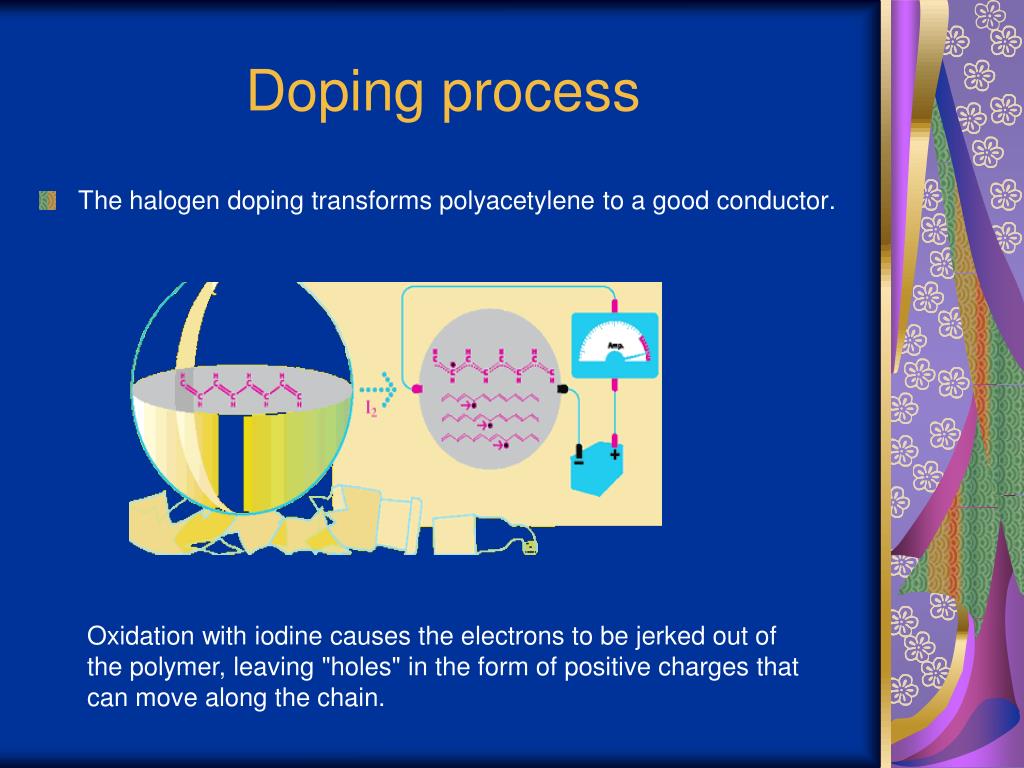
The doping process plays a crucial role in defining the performance characteristics of
CZT (Cadmium Zinc Telluride) detectors. Doping refers to the intentional introduction of specific impurity atoms into the crystal lattice of the material to modify its electrical and structural properties. In the case of CZT detectors, doping is primarily done to control the
charge transport properties,
carrier concentration, and
electrical behavior, which directly influence the
energy resolution,
charge collection efficiency, and
overall sensitivity of the detectors.
## Key Effects of Doping on CZT Detector Performance
## 1. Improved Electrical Conductivity
Doping is used to
modify the electrical conductivity of the CZT crystal, enabling it to function effectively as a
semiconductor. The doping process adds either
donor or
acceptor impurities to the crystal, which modifies the
carrier concentration of
electrons (n-type doping) or
holes (p-type doping).
*
n-type doping (using donor atoms such as
indium (In) or
phosphorus (P)) increases the electron concentration, making the material conductive to electrons. This is particularly useful for creating
detectors where electron collection is desired.
*
p-type doping (using acceptor atoms like
cadmium (Cd) or
boron (B)) increases the hole concentration, which enhances hole mobility and allows hole collection in the detector.
By controlling the type and concentration of dopants, it is possible to fine-tune the electrical properties of the material, optimizing the
charge transport and
signal collection efficiency.
## 2. Enhanced Charge Collection Efficiency
The efficiency with which
charge carriers (electrons and holes) are collected after being generated by incident radiation is a critical factor in the performance of CZT detectors. The doping process influences
carrier mobility and
lifetime, which determines the ease with which carriers move to the
electrodes and contribute to the
detected signal.
*
High-quality doping leads to improved
charge collection efficiency by reducing
recombination losses, which occur when electrons and holes annihilate each other before reaching the electrodes.
* Improper doping or an excess of impurities can introduce
traps that hinder the mobility of charge carriers, leading to increased
leakage current and
reduced signal quality.
## 3. Control of Energy Resolution
Energy resolution is one of the most important performance metrics for radiation detectors, as it indicates the ability of the detector to distinguish between different energies of incident radiation. Doping influences energy resolution by affecting the
mobility and
lifetime of the charge carriers.
*
Ideal doping levels enhance the
energy resolution by optimizing
charge collection and minimizing the occurrence of
charge trapping (where carriers are captured by defects before they can be collected).
*
Over-doping can result in an excess of free carriers or defects in the lattice, which could lead to
broadening of the energy peaks and a
lowered energy resolution.
## 4. Influence on Leakage Current
Leakage current, or the current that flows through the detector without any interaction with radiation, is an important factor that affects the
signal-to-noise ratio (SNR). High leakage currents increase the noise levels and reduce the ability to detect weak radiation signals.
*
Controlled doping can help reduce leakage current by stabilizing the
charge carrier concentrations and preventing the formation of unwanted
current paths.
*
Excessive doping can increase the likelihood of
impurity states or
defects in the CZT crystal, leading to an
increase in leakage current. In such cases, additional
passivation techniques (e.g., surface treatments) are often employed to mitigate the effects.
## 5. Impact on Crystal Growth and Lattice Structure
Doping influences the
crystal growth process and the
lattice structure of CZT. The
dopant atoms must integrate into the crystal lattice without causing significant distortion or the introduction of
defects. If the doping level is too high or if incompatible dopants are used, it can lead to the formation of
grain boundaries,
dislocations, and
other crystal defects that degrade the material's performance.
* Ideally, dopants should be incorporated into the lattice in such a way that they do not cause significant strain or defects, thus preserving the
crystal quality and ensuring
uniformity in the
charge collection process.
*
Inhomogeneous doping can result in
local variations in material properties, which may lead to
uneven performance across the detector, reducing the
overall sensitivity and
resolution.
## 6. Optimization of Detector Behavior for Specific Applications
The doping process allows for the optimization of the CZT detector for specific types of radiation detection applications. For example:
* In
low-energy gamma-ray detection, the doping can be optimized to improve
charge transport and
reduce signal noise, enhancing the detector's ability to measure
low-energy photons with high precision.
* In
high-energy X-ray or gamma-ray applications, doping may be adjusted to minimize
carrier recombination and maximize
charge collection efficiency, which is critical for
high-energy resolution.
## 7. Effect on Temperature Stability
The
temperature stability of a CZT detector can also be influenced by the doping process. Doping affects the
thermal conductivity and
carrier mobility, which in turn impacts the detector's performance at elevated temperatures.
*
Optimized doping can help improve
temperature stability, ensuring that the detector maintains consistent performance over a wide range of operating temperatures.
* However, improper doping or excess impurity levels can lead to
thermal instability, resulting in
degraded performance at higher temperatures, particularly in terms of
charge collection efficiency and
energy resolution.
## 8. Surface Effects and Passivation
The surface of a CZT crystal is particularly sensitive to
surface states that can affect detector performance. Doping can help passivate the surface by reducing the
density of surface states, which in turn reduces
surface leakage currents and
charge trapping.
*
Surface doping and
passivation layers are often used to
improve the detector's sensitivity and reduce
surface-related noise.
* In some cases, a
controlled surface doping process can reduce the
effects of environmental contaminants (e.g., moisture or gases) that could otherwise lead to surface degradation.
## Conclusion
The doping process is crucial to the
performance optimization of
CZT detectors for radiation detection. It affects the
charge transport properties,
carrier concentration,
energy resolution,
leakage current, and
temperature stability of the material. By carefully selecting and controlling the type and level of dopants, it is possible to tailor the detector’s properties for specific applications, such as
gamma-ray,
X-ray, or
neutron detection, and to enhance its overall performance. However, careful balance is required, as over-doping or improper doping can lead to
defects,
reduced charge collection efficiency, and
increased noise, ultimately degrading detector performance. Therefore, understanding the effects of doping and optimizing it based on the intended application is critical for achieving high-performance CZT detectors.
CdZnTe Association (CdZnTe.com)
https://www.cdznte.com/blog/how-does-the-doping-process-affect-the-performance-of-czt-detectors.html



