## Introduction
The
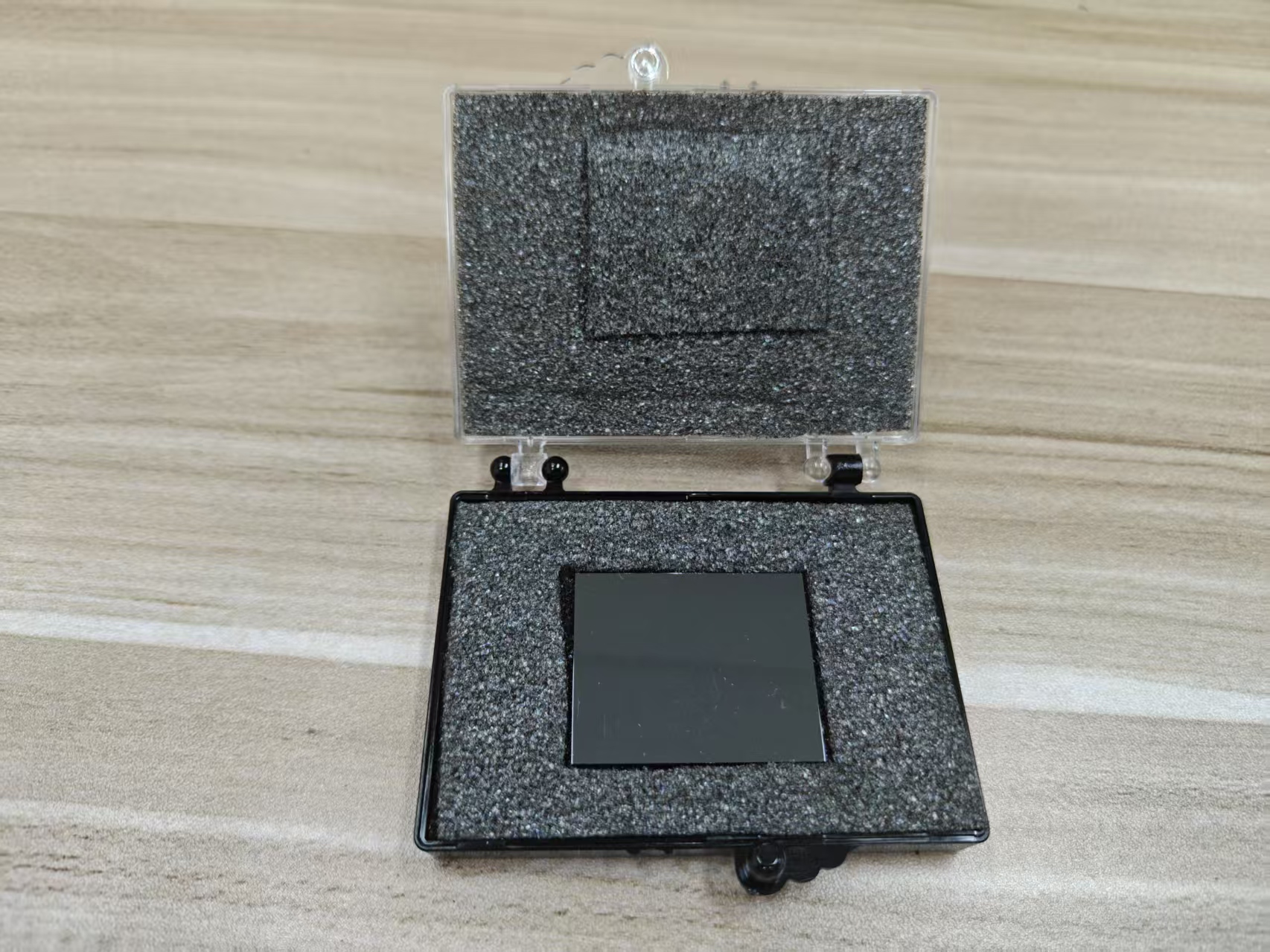
surface treatment of Cadmium Zinc Telluride (CZT) crystals plays a crucial role in determining the performance of electrodes deposited onto the surface. Since CZT is commonly used in high-performance
radiation detectors, such as
X-ray and
gamma-ray detectors, the quality of the electrode interface directly affects the detector’s
charge collection efficiency,
leakage current,
energy resolution, and
overall stability. Surface treatments are designed to improve
electrode adhesion, reduce
surface defects, passivate the surface, and ensure a
stable interface between the CZT crystal and the electrode. Any variations in the surface treatment process can have profound impacts on the detector's performance.
## Surface Passivation
Surface passivation is one of the most critical aspects of surface treatment in CZT crystals.
Passivation refers to the process of forming a protective layer on the surface of the material to prevent the formation of
surface defects and
oxidation, both of which can compromise the performance of the detector.
When the surface of CZT is not passivated, it may develop
surface states that trap
charge carriers, such as electrons and holes, leading to
recombination and
incomplete charge collection. This directly reduces the detector’s
efficiency and
energy resolution. Passivation treatments, typically involving the application of
chemical agents or
thin oxide layers, help to
stabilize the surface, ensuring that charge carriers generated in the detector material are
efficiently collected by the electrodes.
Common passivation techniques for CZT include:
*
Chemical treatment: Using
organic compounds or
alcohol-based solutions to clean the surface and remove contaminants, reducing
surface roughness and passivating defects.
*
Plasma treatment: Exposing the surface to plasma (e.g.,
oxygen or nitrogen plasma) to form a thin passivating oxide layer, which can also reduce
surface recombination.
*
Anodization: A more controlled method of growing a thin oxide layer on the CZT surface to create a stable passivating layer that minimizes surface defects.
Proper passivation ensures that the
electrode material can establish a
stable interface with the CZT, allowing for
uniform electrode deposition and preventing the creation of
undesired surface states that lead to poor detector performance.
## Surface Cleaning
Surface cleaning is another critical step in preparing CZT crystals for electrode deposition. If the surface is contaminated with
organic material,
dust particles, or
metallic residues, the quality of the electrode layer can be severely compromised. Contaminants on the surface can create
barriers to electrode adhesion, leading to
poor contact and
increased resistance at the electrode-CZT interface.
Techniques used for surface cleaning include:
*
Ultrasonic cleaning: Using ultrasonic waves in a cleaning solution to remove
micro-level contaminants from the surface without physically damaging the CZT crystal.
*
Plasma cleaning: Exposing the surface to a plasma field to break down organic contaminants and
remove foreign particles, creating a cleaner surface for deposition.
*
Solvent cleaning: Using solvents such as
acetone or
isopropanol to remove
organic residues and
dust particles from the CZT surface.
A clean surface is essential for achieving
optimal electrode adhesion and ensuring that the
electrode material can form a high-quality, uniform
electrical contact with the CZT crystal.
## Surface Roughness and Topography
Surface roughness and
topography are important factors influencing the performance of electrodes on CZT crystals. A
smooth surface is preferred for
uniform electrode deposition, as it allows for a more
consistent and
stable contact between the electrode and the CZT crystal. In contrast, rough or irregular surfaces can cause
non-uniform electrode layers, leading to
regions of weak contact,
increased leakage currents, and
reduced charge collection efficiency.
Surface roughness can be caused by factors such as
grain boundaries in the CZT crystal,
incomplete polishing, or
inconsistent passivation. To minimize surface roughness, CZT crystals may undergo
mechanical polishing,
chemical etching, or
chemical mechanical planarization (CMP) to smooth the surface before electrode deposition.
In some cases,
controlled surface roughening is used deliberately to improve
electrode adhesion or to influence the
electric field distribution within the detector. However, excessive roughness typically leads to
poor adhesion,
increased contact resistance, and
localized charge trapping, all of which degrade the detector’s performance.
## Oxygen and Carbon Contamination
The presence of
oxygen and
carbon on the CZT surface is particularly problematic, as both elements can interact with the electrode material and create
oxide layers or
carbonaceous films, both of which are
insulating and reduce the quality of the electrical contact.
Oxidation of the CZT surface can lead to the formation of
Cadmium oxide (CdO) or
Zinc oxide (ZnO), which have
higher resistivity than the CZT material itself.
Carbon contamination can also interfere with the
electrode material deposition and result in
poor-quality layers. These issues can be mitigated by using
high-purity CZT crystals and employing
cleaning techniques such as
plasma treatment or
vacuum processing to remove oxygen and carbon from the surface before deposition.
## Surface Passivation for Specific Electrode Materials
Different electrode materials may require specific surface treatments for optimal performance. For example:
*
Gold and platinum electrodes often require
minimal surface treatment, as they are chemically stable and can form good contacts with the passivated CZT surface. However, they may still benefit from
chemical cleaning to remove surface oxides or contaminants.
*
Copper and aluminum electrodes, on the other hand, are more
reactive and may require a
more aggressive passivation to prevent
oxidation before deposition. Surface treatments such as
etching or
plasma treatment may be necessary to ensure good adhesion and long-term stability.
The surface treatment process must be tailored to the specific requirements of the
electrode material to ensure that the interface remains stable and that the
charge collection efficiency is maximized.
## Impact on Leakage Current and Stability
Improper surface treatment can lead to
increased leakage current, which can significantly degrade the performance of CZT-based detectors.
Surface defects and
unpassivated regions can act as
trap sites for charge carriers, leading to
charge recombination and
increased leakage. Furthermore,
oxide layers or
surface contaminants can increase
contact resistance, leading to
higher leakage currents and
reduced sensitivity of the detector.
By ensuring proper
surface passivation and
cleaning, the risk of increased leakage current is minimized, resulting in a
stable and reliable interface that maintains high
charge collection efficiency and
energy resolution over time.
## Influence on Energy Resolution and Signal Quality
The performance of a CZT-based detector is heavily influenced by
energy resolution, which depends on the
efficiency of charge collection. Poor surface treatment can lead to
incomplete charge collection,
non-uniform charge transport, and
energy losses, resulting in
broader peaks in the energy spectrum and
reduced resolution. Ensuring a
uniform and
clean surface helps to
maximize charge collection, leading to
sharper peaks and
improved energy resolution.
Good surface treatment enhances the
uniformity of the electric field, promoting
efficient charge transport and
reduced recombination, thereby improving the detector's
signal quality and
accuracy.
## Conclusion
The
surface treatment of CZT crystals is a critical step in optimizing the performance of electrodes and, consequently, the performance of
CZT-based radiation detectors. Proper
passivation,
cleaning, and
surface smoothing ensure that the electrode material adheres well, minimizing surface defects, contamination, and
oxidation that could otherwise compromise charge collection efficiency. Surface treatments also help reduce
leakage currents, improve
energy resolution, and maintain the stability of the detector over time. Tailoring surface treatments to the specific requirements of the
electrode material is essential for achieving optimal performance in
high-energy photon detection applications.
CdZnTe Association (CdZnTe.com)
https://www.cdznte.com/blog/how-does-the-surface-treatment-of-czt-affect-electrode-performance.html