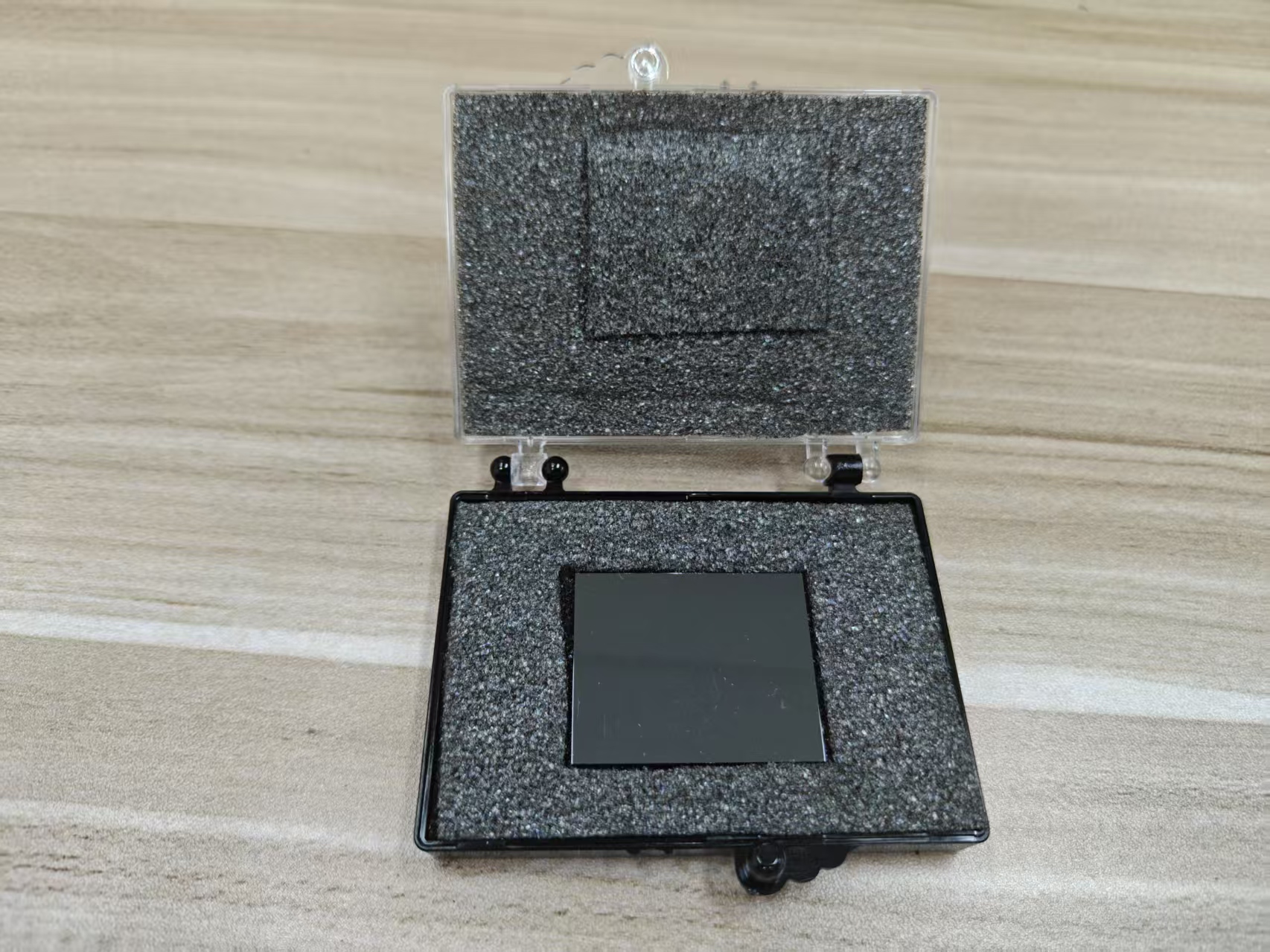
## Influence of Zn Doping in CdTe on Back Contact Formation and Band Alignment in CdZnTe-Based Solar Cells
Zn doping in CdTe to form CdZnTe alloys plays a critical role in the optimization of back contact formation and band alignment in CdZnTe-based solar cells. This doping not only adjusts the intrinsic properties of the absorber layer but also fundamentally affects the electrical interface between the CdZnTe absorber and the back contact electrode, which is essential for efficient charge carrier extraction, minimizing recombination losses, and enhancing overall device performance.
## Modification of Material Properties by Zn Doping
Introducing Zn into CdTe results in the formation of the ternary compound Cd1-xZnxTe, where the Zn content (x) can be precisely controlled to tune the material’s band gap and electronic properties. Zn atoms substitute for Cd sites within the crystal lattice, leading to an increase in the band gap from about 1.45 eV (for pure CdTe) up to approximately 1.6 eV or higher depending on the Zn concentration.
This band gap widening induced by Zn doping has a direct impact on the energy levels of the material, including the valence band maximum (VBM) and conduction band minimum (CBM). The upward shift of the conduction band and downward shift of the valence band influence the relative alignment of the CdZnTe absorber with respect to adjacent layers and the metal back contact, affecting charge carrier dynamics at the interface.
## Effects on Back Contact Formation
The formation of an effective back contact on CdZnTe-based solar cells is challenging due to the intrinsic high resistivity and p-type nature of the CdZnTe absorber. The back contact must provide ohmic behavior or minimal barrier for hole extraction while maintaining good electrical conductivity and chemical stability.
Zn doping alters the electrical and chemical properties of the absorber near the back interface, which in turn influences back contact formation in several ways:
1. Reduced Work Function Mismatch: The presence of Zn increases the band gap and modifies the valence band position, typically resulting in a downward shift of the valence band edge relative to vacuum level. This modification can reduce the work function difference between the CdZnTe and the metal contact (often based on high work function metals such as Au, Pt, or Mo). A smaller work function mismatch helps in forming a more ohmic or low-barrier contact for hole extraction, which is crucial to reduce contact resistance and improve device fill factor.
2. Enhanced Chemical Stability and Interfacial Layer Formation: Zn incorporation can affect the chemical interactions between the absorber and back contact metal. For example, Zn tends to reduce the formation of undesirable secondary phases or interfacial oxides at the contact, which often act as barriers or recombination centers. A more chemically stable interface helps in forming uniform and defect-minimized back contacts.
3. Control of Interfacial Defects and Band Bending: Zn doping influences the density and nature of surface states and defects near the back interface. By modifying the defect landscape, Zn can reduce interface recombination velocity, facilitating better carrier collection. The resulting band bending at the interface is also affected, leading to more favorable carrier transport characteristics.
## Band Alignment and Energy Barrier Considerations
Band alignment between the CdZnTe absorber and the back contact is critical to achieving efficient hole extraction and minimizing carrier recombination losses. Zn doping influences band alignment through several mechanisms:
1. Valence Band Offset (VBO) Tuning: As Zn content increases, the valence band maximum shifts downward in energy. This shift can reduce the valence band offset at the interface between CdZnTe and typical back contact metals or hole transport layers. A smaller VBO facilitates easier hole transfer from the absorber to the contact, reducing contact resistance.
2. Conduction Band Offset (CBO) Changes: Although the conduction band edge also shifts, the primary concern at the back contact is hole transport; however, an optimized conduction band offset helps prevent electron injection into the back contact, minimizing recombination.
3. Barrier Height Reduction: Zn doping effectively lowers the Schottky barrier height at the metal-semiconductor interface for holes. This reduces the energy barrier that holes must overcome to be collected by the contact, thereby enhancing charge extraction efficiency.
4. Impact on Band Bending and Depletion Region: The doping and band structure modifications influence the extent of band bending at the interface. Properly engineered band bending can form a narrow depletion region that aids in carrier separation and reduces recombination at the back contact.
## Influence on Back Contact Material Selection and Contact Engineering
Due to the changes in band structure and surface chemistry induced by Zn doping, the selection and engineering of back contact materials must be tailored to the specific CdZnTe composition:
* Metal Work Function Matching: Metals with work functions compatible with the Zn-doped CdZnTe valence band edge are preferred to minimize barriers. For higher Zn content with wider band gaps, metals with slightly lower work functions may be better suited to maintain good band alignment.
* Use of Interfacial Layers: Zn doping may necessitate or facilitate the use of buffer or interfacial layers (e.g., ZnTe, Cu-doped layers, or conductive oxides) between CdZnTe and the metal contact to further improve band alignment, passivate interface defects, and ensure chemical compatibility.
* Doping Gradient Engineering: Creating a Zn concentration gradient near the back contact can locally optimize band alignment and carrier extraction, for example, by having a slightly higher Zn concentration at the back interface to increase the band gap and reduce interface recombination.
## Summary
Zn doping in CdTe profoundly influences back contact formation and band alignment in CdZnTe-based solar cells. By modifying the band gap and valence band edge, Zn doping reduces the energy barrier for hole extraction at the back contact, enabling improved ohmic behavior and reduced contact resistance. It also enhances chemical stability at the interface, reduces defect-related recombination, and facilitates better band alignment with contact metals or buffer layers. These effects collectively contribute to improved charge carrier collection efficiency, enhanced fill factor, and ultimately higher solar cell performance. Optimizing Zn concentration and engineering the back contact interface in tandem are crucial strategies for advancing CdZnTe solar cell technology.
CdZnTe Association (CdZnTe.com)
https://www.cdznte.com/blog/how-does-zn-doping-in-cdte-influence-the-back-contact-formation-and-band-alignment-in-cdznte-based-solar-cells.html