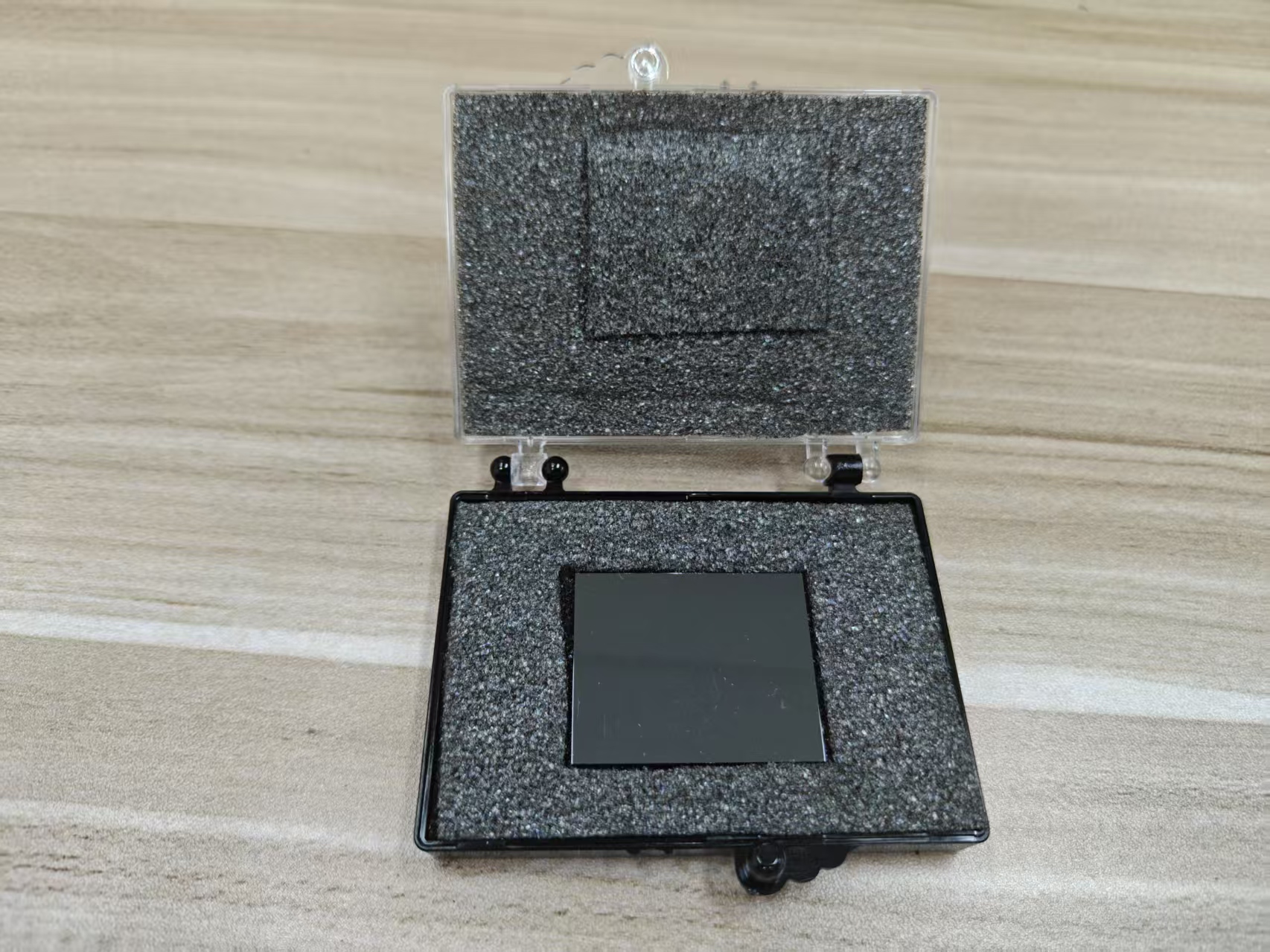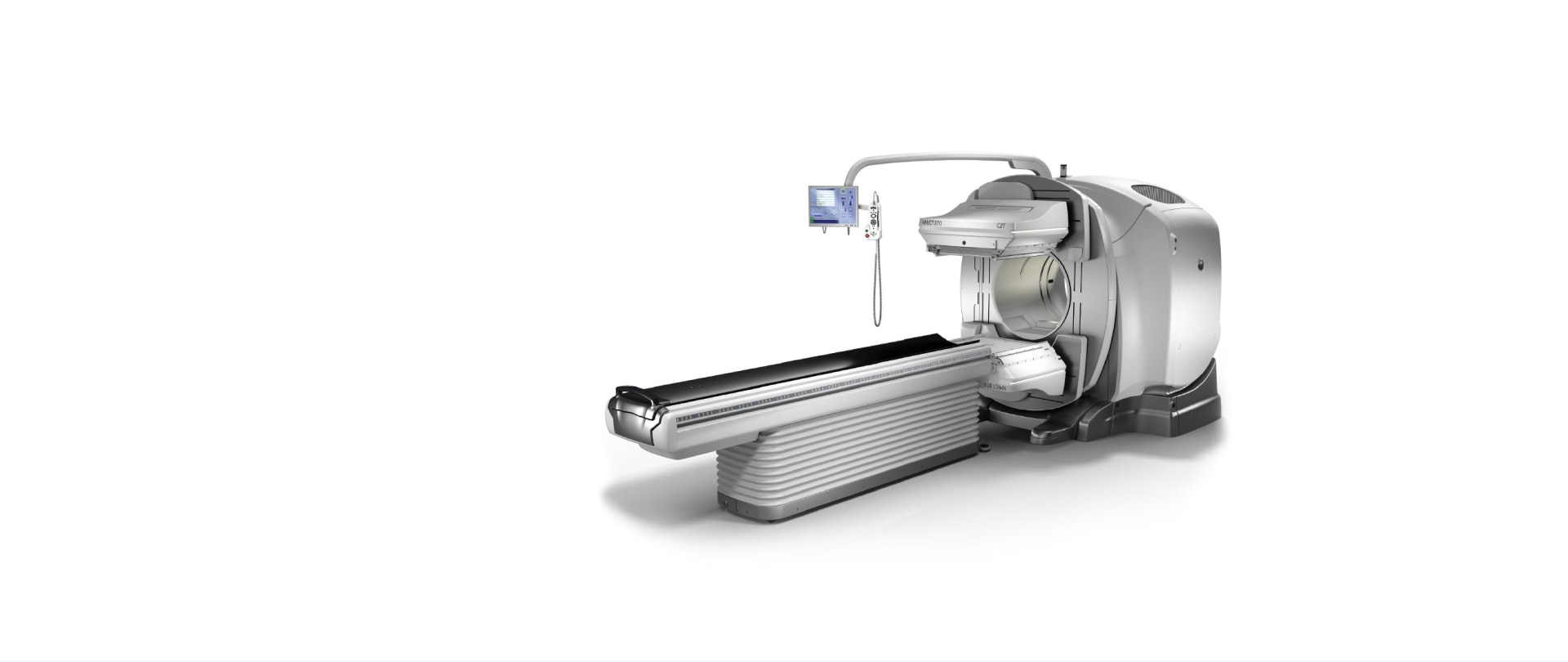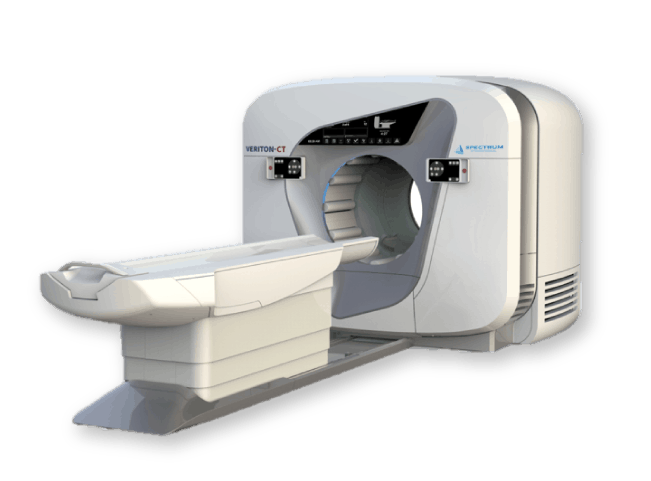
The synthesis of
Cadmium Zinc Telluride (CZT) in the laboratory is a complex process that involves several key steps to ensure high-quality crystal growth with controlled stoichiometry. CZT is typically synthesized in a way that allows precise tuning of the
Cd:Zn ratio, as the properties of the material, such as its
bandgap,
energy resolution, and
radiation detection efficiency, depend heavily on the exact composition. Below is a detailed explanation of the main methods used for synthesizing CZT in the laboratory, with a focus on the
vertical Bridgman method and the
modified horizontal Bridgman method, which are the most commonly used techniques for growing high-purity CZT crystals.
## 1. Material Preparation
Before the crystal growth process begins, high-purity cadmium (Cd), zinc (Zn), and tellurium (Te) are required as the starting materials. These materials are typically of
semiconductor grade and need to be free from impurities to ensure the desired properties in the final CZT crystal. The preparation process includes:
*
Cadmium (Cd): Typically in the form of
cadmium metal or
cadmium telluride (CdTe).
*
Zinc (Zn): Zinc metal or
zinc telluride (ZnTe) is used.
*
Tellurium (Te): High-purity tellurium powder, which is often used in the synthesis process.
These materials are accurately weighed to achieve the desired
stoichiometric ratio of cadmium, zinc, and tellurium. The
Cd:Zn ratio is particularly critical, as it directly influences the
bandgap and the overall performance of the CZT material.
## 2. Sealing and Precursor Formation
The next step is to mix the cadmium, zinc, and tellurium in precise proportions, which will determine the final composition of the CZT. The materials are typically placed in a
quartz ampoule or other suitable crucible. The process includes:
*
Sealing the ampoule: The precursor materials are mixed and sealed under vacuum or inert gas atmosphere to prevent oxidation or contamination during the crystal growth process.
*
Precursor formation: The sealed ampoule is then heated in a furnace at high temperatures (typically 800–900°C) to allow for the formation of a homogeneous
molten phase of the cadmium, zinc, and tellurium mixture.
## 3. Crystal Growth Methods
There are several methods for growing CZT crystals, but the two most commonly used in the laboratory are the
vertical Bridgman method and the
modified horizontal Bridgman method. Both of these methods are based on
controlled cooling and
gradual solidification of the molten mixture.
## a. Vertical Bridgman Method
The
vertical Bridgman method is the most widely used technique for growing high-quality single crystals of CZT. It involves the following steps:
1.
Melting the precursor material: The precursor mixture (Cd, Zn, Te) is heated to above its
melting point (around 800°C) in a
vertical furnace. This step ensures that the materials form a homogeneous molten mixture.
2.
Controlled cooling: The molten material is then slowly cooled in a
vertical furnace. The cooling rate is carefully controlled to allow for
crystal nucleation at the
bottom of the ampoule. The cooling gradient across the ampoule promotes the
formation of a single crystal at the bottom while the rest of the material remains in the liquid state.
3.
Crystal solidification: As the molten material cools, the
CdZnTe solidifies from the bottom up. The cooling rate is crucial, as it must be slow enough to prevent the formation of defects and to promote
homogeneous crystal growth.
4.
Post-growth cooling: Once the crystal has fully solidified, the ampoule is gradually cooled to room temperature. The resulting crystal is then extracted from the ampoule and subjected to post-growth treatments, such as
polishing or
annealing, to remove any surface defects or impurities.
## b. Modified Horizontal Bridgman Method
The
modified horizontal Bridgman method is another technique for synthesizing CZT crystals, although it is less commonly used compared to the vertical method. The main difference in this method is that the ampoule is positioned
horizontally, which can influence the crystal growth rate and quality:
1.
Precursor material preparation: The precursor materials are mixed and sealed in a
horizontal quartz ampoule.
2.
Heating and melting: The ampoule is then heated in a
horizontal furnace, and the precursor is melted to form a homogeneous liquid phase.
3.
Slow cooling: As in the vertical Bridgman method, the material is then allowed to cool slowly, but in this case, the cooling is done along the
horizontal axis, which results in a more uniform cooling gradient across the ampoule.
4.
Crystal formation: The solidification process begins from the side of the ampoule and progresses across the liquid phase, with crystal growth occurring along the length of the ampoule.
5.
Cooling and extraction: After the crystal has formed, the ampoule is slowly cooled to room temperature, and the resulting crystal is carefully extracted for further processing.
## 4. Post-Growth Treatments
After the CZT crystal is grown, there are several critical
post-growth treatments to improve its quality and ensure that it meets the specifications required for its intended application:
*
Annealing: The crystal is heated in a controlled atmosphere (e.g., inert or vacuum) to remove
thermal stress and improve the
uniformity of the crystal. Annealing can also be used to
eliminate defects such as
dislocations or
vacancies that may have formed during the growth process.
*
Polishing and Surface Treatment: The surface of the CZT crystal is often polished to remove any rough edges or imperfections that may have occurred during the growth process. This step is particularly important for
detector applications, where smooth surfaces are required to minimize signal noise and ensure proper charge collection.
*
Doping: To improve the electrical properties of CZT for specific applications, the material may be
doped with
acceptor or
donor impurities. For example,
indium or
aluminum can be used to
p-type dope CZT, while
antimony or
phosphorus can be used to
n-type dope the material.
*
Passivation: The crystal may also undergo a
passivation process, which involves the application of a thin layer of material (such as
SiO₂) on the surface to prevent
surface recombination of charge carriers, improving the
efficiency of radiation detectors.
## 5. Characterization and Quality Control
Once the CZT crystals are grown and post-treated, they are typically subjected to various characterization techniques to evaluate their
quality and suitability for specific applications. Common characterization methods include:
*
X-ray diffraction (XRD): To determine the
crystal structure and
degree of crystallinity.
*
Photoluminescence (PL): To assess the
optical properties and
purity of the crystal.
*
Electron microscopy: To examine the
surface morphology and detect any
defects or
dislocations.
*
Electrical measurements: To measure
carrier mobility,
resistivity, and
carrier concentration.
*
Radiation testing: For detectors,
X-ray and
gamma-ray testing are conducted to measure
energy resolution and
detection efficiency.
## 6. Challenges in CZT Synthesis
The synthesis of high-quality CZT crystals in the laboratory is challenging due to several factors:
*
Control of Stoichiometry: The
Cd:Zn ratio must be controlled precisely to obtain the desired
bandgap and
electrical properties. Any deviation in this ratio can lead to defects, poor performance, or inconsistent properties.
*
Crystallization Defects: The growth of CZT crystals must be done under highly controlled conditions to avoid the formation of
dislocations,
grain boundaries, or
vacancies that can affect the material’s
electrical performance.
*
Purity of Raw Materials: High-purity raw materials are essential to avoid contamination that could degrade the material’s quality, particularly in radiation detection applications where impurities can significantly impact performance.
*
Thermal Stresses: As the material cools from a high temperature to room temperature,
thermal stresses can occur, leading to defects. Careful control of the cooling rate is necessary to minimize these stresses.
## Conclusion
The synthesis of
Cadmium Zinc Telluride (CZT) in the laboratory is a precise and controlled process that involves careful material preparation, crystal growth, and post-growth treatments. The
vertical Bridgman method and the
modified horizontal Bridgman method are the most common techniques used to grow high-quality CZT crystals, with a focus on controlling the
Cd:Zn ratio,
cooling rates, and minimizing defects. Once the crystals are grown, they undergo various post-growth treatments, including
annealing,
polishing, and
doping, to enhance their properties. The resulting CZT crystals are characterized for their suitability in various applications, such as
radiation detection,
medical imaging, and
high-energy photon detection.
CdZnTe Association (CdZnTe.com)
https://www.cdznte.com/blog/how-is-czt-synthesized-in-the-laboratory.html