## Introduction
Achieving
uniform electrode deposition on
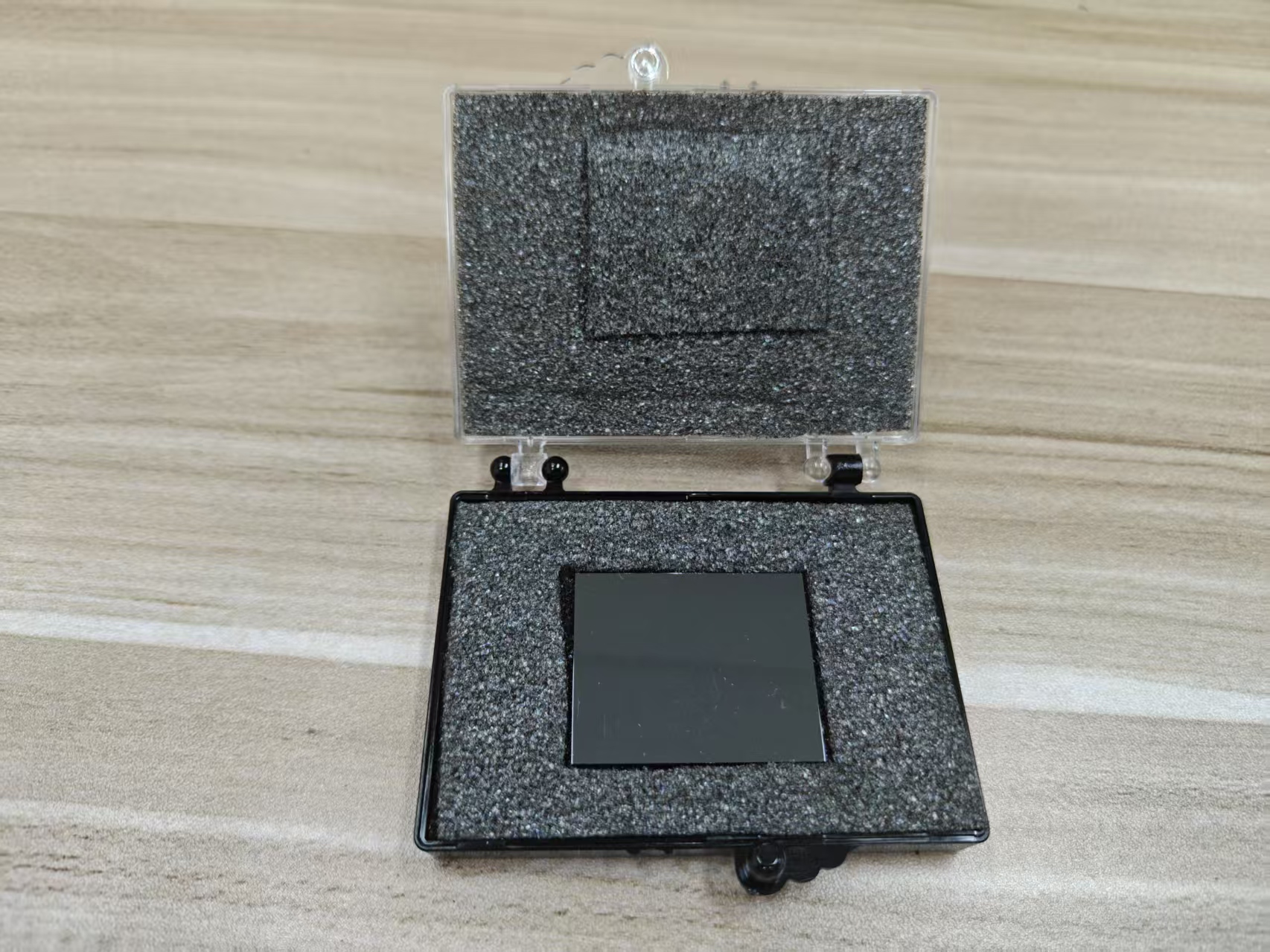
Cadmium Zinc Telluride (CZT) crystals is a critical challenge in the design and fabrication of high-performance radiation detectors. Since CZT is commonly used in
X-ray and
gamma-ray detection, the quality of the electrode layer directly affects the detector's
charge collection efficiency,
energy resolution, and
overall performance. Inconsistent electrode deposition can lead to
uneven charge collection,
higher leakage currents, and
poor energy resolution. Several factors contribute to the difficulty in achieving uniform electrode deposition on CZT crystals, ranging from
material properties and
surface characteristics to
deposition methods and
process control.
## Surface Roughness and Crystal Structure
One of the primary challenges in achieving uniform electrode deposition on CZT crystals is the
surface roughness and
crystal structure of the CZT material. CZT crystals, like many semiconductor materials, can have
inherent surface defects,
grain boundaries, and
uneven topography, which can affect how an electrode layer adheres and spreads across the surface. These structural variations can cause
non-uniform deposition, leading to
regions of weak electrical contact and
inconsistent charge collection.
Moreover,
surface contamination or
oxidation of CZT surfaces can alter the
interface properties, further complicating the deposition process. For example, oxidation of the surface can create an
increased resistance to electrode adhesion, resulting in
poor quality coatings or
patchy deposition.
## Deposition Techniques and Control
The method used for electrode deposition plays a significant role in determining the
uniformity of the layer. Common techniques for electrode deposition on CZT include
sputtering,
evaporation,
chemical vapor deposition (CVD), and
electroplating. Each of these methods presents unique challenges in achieving uniform coverage:
*
Sputtering involves bombarding the target material with ions, causing the material to sputter onto the surface. While it can provide
thin, uniform layers,
non-uniform ion distribution or
substrate heating can lead to
uneven deposition. Achieving uniform sputtering requires precise
control over power settings,
gas flow rates, and
substrate positioning.
*
Evaporation involves heating the electrode material until it evaporates and condenses onto the CZT surface. While evaporation is often used to produce
high-quality, thin films, achieving a uniform thickness across the entire surface of a CZT crystal is difficult due to the
line-of-sight nature of the process. Variations in the
distance between the evaporation source and the substrate can cause
thicker deposition in some areas and
thinner deposition in others.
*
Chemical Vapor Deposition (CVD) is another deposition method used for creating electrode layers. It relies on the chemical reaction of precursor gases to deposit materials onto the surface. While CVD can provide
high-quality uniform films, it requires precise
temperature control and
gas distribution. Non-uniform gas flow or temperature gradients can cause
localized variations in deposition rates, leading to
non-uniform films.
*
Electroplating is a wet process used for electrode deposition where an electrode material is deposited onto the surface by applying a voltage to an electrolyte solution. The challenge with electroplating is
maintaining a constant current density across the surface, as
non-uniform current distribution can result in
thicker areas near edges and
thinner areas in the center, leading to
non-uniform deposition.
## Thickness Control
Achieving precise
thickness control across the entire surface of the CZT crystal is a significant challenge in electrode deposition.
Thin films are required for optimal performance, but small variations in the
deposition time,
temperature, or
power can result in
uneven thickness, which may compromise the performance of the detector. Inconsistent thickness can lead to
differing electric fields at different locations on the crystal, causing
uneven charge collection and
poor energy resolution.
For example, if one region of the crystal has a thicker electrode layer, it might result in
higher capacitance,
slower charge collection, and
distorted signals. Conversely,
thinner areas may not collect enough charge or cause
poor contact, resulting in
low efficiency.
## Substrate Heating and Thermal Effects
During the deposition process,
thermal effects play a crucial role in achieving uniform electrode layers. Many deposition techniques, such as
evaporation and
sputtering, generate significant heat during processing. This heat can cause
thermal expansion of the CZT substrate, which may lead to
distortions in the crystal structure, creating uneven surfaces that affect the deposition uniformity.
For instance,
uneven heating of the substrate can cause
warping or buckling of the crystal, leading to
inconsistent deposition. Additionally,
thermal gradients across the surface can cause variations in the
deposition rate, leading to
non-uniform electrode layers.
## Adhesion and Interface Properties
The
adhesion of the electrode material to the CZT crystal surface is another challenge that affects the uniformity of the deposited electrode. If the surface is not properly
cleaned or
passivated, the
electrode material may
fail to adhere uniformly or
peel off in certain areas. Inadequate adhesion can lead to
poor contact quality, which negatively affects
charge collection efficiency.
Moreover,
interface properties such as the
presence of surface oxides,
contaminants, or
grain boundaries on the CZT surface can lead to
inconsistent deposition. Some areas of the surface may exhibit
stronger adhesion, leading to
thicker deposits, while other areas may show
weaker adhesion, resulting in
thin or patchy coatings.
## Contamination and Impurities
Contamination and
impurities are common obstacles in achieving uniform electrode deposition on CZT crystals.
Particulate matter,
dust, or
foreign substances on the surface of the crystal can cause
irregularities in the deposition process. Even trace amounts of contamination can lead to
local changes in deposition rate or
chemical reactivity, resulting in
non-uniform electrode layers.
To mitigate these effects,
cleanroom environments and
precise surface preparation techniques are required to minimize contamination during the deposition process.
Chemical cleaning,
plasma etching, or
surface passivation can help ensure a
clean and uniform surface for deposition.
## Strain and Stress in Electrode Layers
Strain and stress in the electrode material itself can affect
uniformity during deposition. For instance,
stressed layers can lead to
poor film adherence,
delamination, or
uneven surface morphology.
Thermal expansion mismatches between the CZT crystal and the electrode material can introduce
mechanical stress, causing the electrode layer to crack or distort, resulting in
non-uniform deposition and
poor performance.
## Conclusion
Achieving uniform electrode deposition on CZT crystals is fraught with challenges related to
surface characteristics,
deposition methods,
thickness control, and
material interactions. Factors such as
surface roughness,
deposition technique,
adhesion properties, and
thermal effects all contribute to the difficulty in ensuring a consistent electrode layer. Overcoming these challenges requires
precise process control,
cleanroom environments, and
careful selection of deposition methods to achieve high-quality, uniform electrode deposition. Uniform electrodes are crucial for ensuring optimal performance, including
high charge collection efficiency,
low leakage current, and
improved energy resolution in CZT-based radiation detectors.
CdZnTe Association (CdZnTe.com)
https://www.cdznte.com/blog/what-are-the-challenges-in-achieving-uniform-electrode-deposition-on-czt-crystals.html