## Introduction
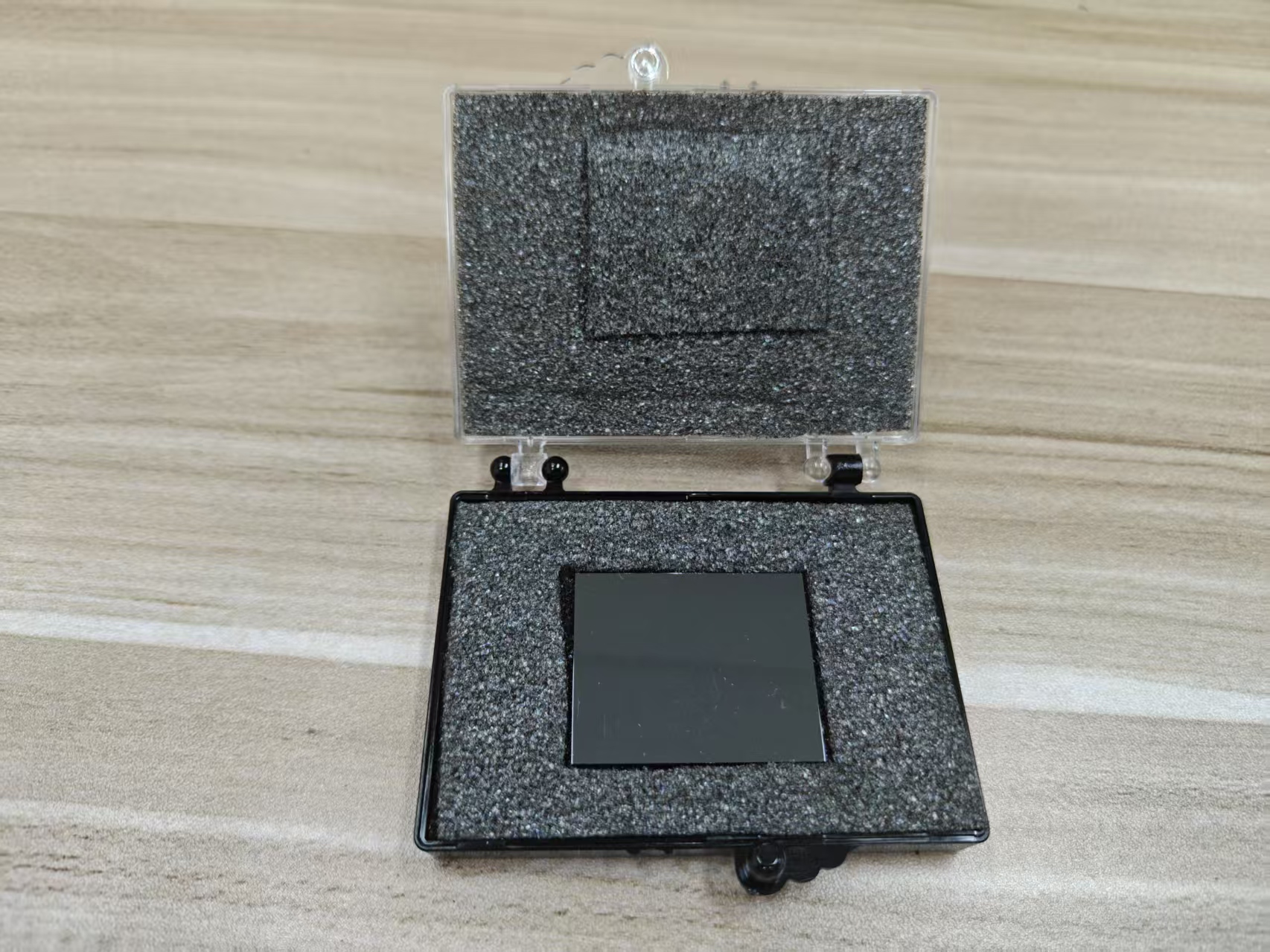
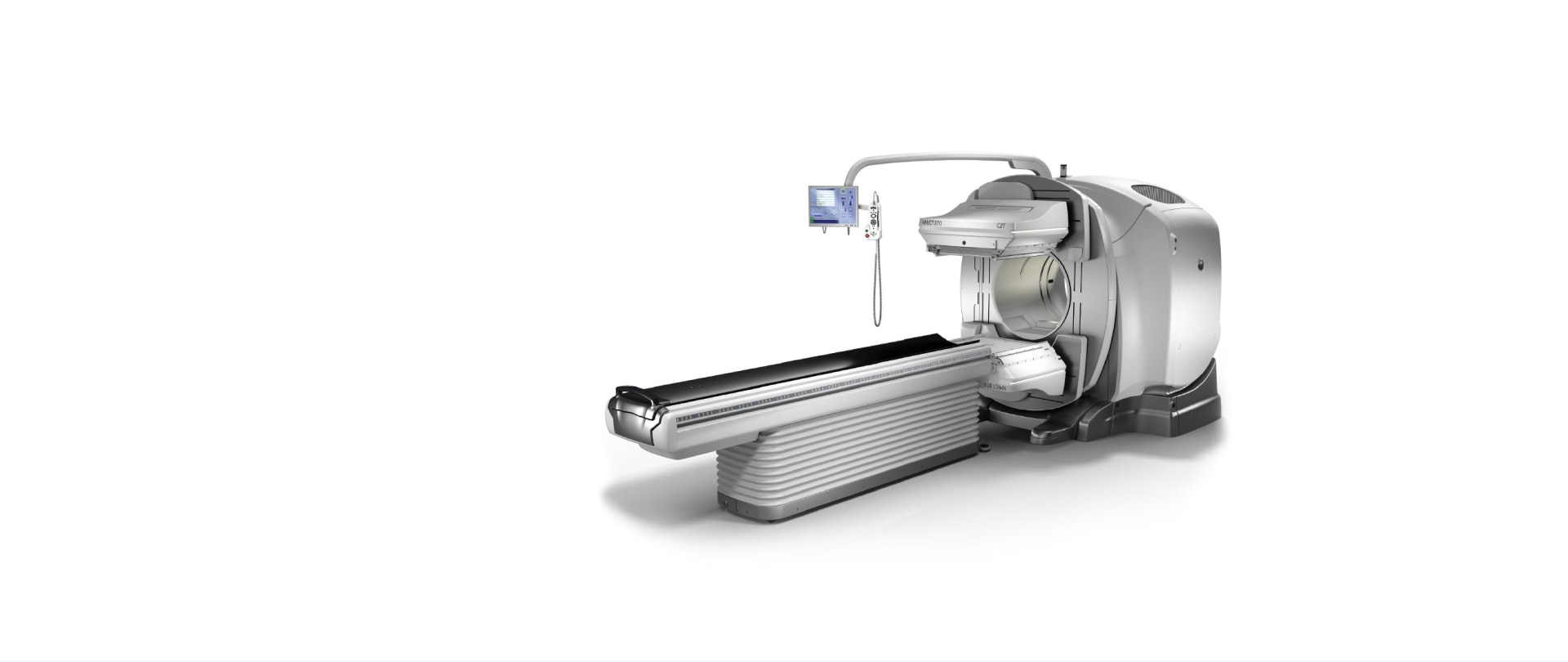
Electrode degradation over time in CZT (Cadmium Zinc Telluride) detectors is a significant concern for maintaining the long-term performance and reliability of radiation detection systems. As CZT crystals are sensitive to high-energy radiation, electrode materials can experience various forms of degradation, including oxidation, corrosion, mechanical wear, and electrical instability. Such degradation can result in increased contact resistance, incomplete charge collection, higher leakage currents, and reduced energy resolution. Therefore, understanding and mitigating electrode degradation is essential for optimizing the lifespan and performance of CZT-based radiation detectors. Several methods have been developed to reduce electrode degradation over time, improving detector stability and efficiency in various applications, such as X-ray and gamma-ray detection.
## Surface Passivation
Surface passivation is one of the most effective methods for preventing electrode degradation in CZT detectors. This technique involves the chemical treatment of the CZT crystal surface to form a protective layer that prevents the direct interaction between the electrode material and the crystal surface.
* Oxide layer formation: One common approach is the formation of a thin oxide layer on the CZT crystal surface, which acts as a barrier to moisture and oxygen, preventing oxidation of the electrode material. This layer can help maintain electrode adhesion and prevent electrochemical corrosion at the interface between the electrode and CZT.
* Passivation materials: Passivation can be achieved using materials such as silicon dioxide (SiO2) or nitride layers that bond chemically with the CZT surface. These materials are chosen because of their high dielectric strength, chemical stability, and minimal reactivity with CZT or electrode materials like gold or platinum.
* Benefits: Surface passivation reduces the likelihood of surface oxidation and electrode corrosion, thus preserving the quality of the electrode-CZT interface. It also improves the uniformity of the electric field and enhances charge collection efficiency.
## Electrode Material Selection
The choice of electrode material plays a key role in mitigating electrode degradation in CZT detectors. Some materials are inherently more resistant to degradation processes such as oxidation, corrosion, and electromigration.
* Noble metals: Using noble metals like gold (Au) and platinum (Pt) for electrodes is a common practice. These metals are highly resistant to oxidation and corrosion compared to more reactive metals like silver or copper. Gold, in particular, is chemically inert, which helps maintain the electrode integrity over long periods of time.
* Protective coatings: Even for materials like silver and copper, which are more prone to oxidation, protective coatings such as thin gold layers or platinum coatings can be applied to enhance corrosion resistance. These coatings help prevent the formation of silver oxide (AgO) or copper oxide (CuO), both of which could degrade the electrode performance.
* Benefits: Choosing stable and inert materials for electrodes minimizes the risk of electrode degradation and ensures that the detectors maintain their performance over time. Furthermore, the electrode material selection can optimize the charge collection efficiency, energy resolution, and stability of the detector.
## Use of Barrier Layers
In addition to selecting the right electrode material, the incorporation of barrier layers between the electrode and the CZT crystal can significantly improve electrode stability. These layers act as protective interfaces, preventing the direct interaction of the electrode with the CZT material, which can lead to degradation.
* Metallic barrier layers: Barrier layers made from metals such as titanium (Ti) or platinum (Pt) can be deposited between the electrode and the CZT surface. These materials are chemically stable and act as catalytic barriers, preventing the diffusion of reactive elements into the CZT crystal and reducing the likelihood of electrode degradation.
* Polymeric barrier layers: In some cases, polymeric materials like parylene or epoxy-based coatings are applied as protective barriers. These materials are non-reactive and can provide insulating properties, preventing electrochemical interactions between the electrode and the crystal.
* Benefits: Barrier layers help maintain a stable interface between the electrode and CZT, reducing the effects of oxidation, corrosion, and mechanical wear. By acting as a shield, these layers can also help preserve the electrical properties of the electrode and increase detector longevity.
## Proper Electrode Deposition Techniques
The method by which electrodes are deposited onto the CZT crystal plays an essential role in minimizing electrode degradation. Deposition techniques that ensure a strong bond and smooth surface are essential for maintaining long-term electrode stability.
* Sputtering: Sputtering is often used to deposit thin metal layers onto CZT crystals. This method is highly effective in producing uniform films that adhere well to the CZT surface. The process also minimizes the potential for electrode delamination and stress formation, both of which can contribute to degradation over time.
* E-beam evaporation: Electron-beam (e-beam) evaporation is another method used to deposit high-quality metallic films with excellent adherence to the CZT surface. E-beam evaporation is particularly beneficial for materials such as gold and platinum, which are commonly used for electrode formation in CZT detectors.
* Benefits: Proper deposition techniques improve the electrode adhesion, uniformity, and contact resistance between the electrode and the CZT crystal, reducing the likelihood of mechanical stress or delamination that could lead to electrode degradation.
## Electrode Surface Treatment
Surface treatments applied to the electrode before deposition or after electrode formation can significantly reduce degradation processes, such as oxidation and corrosion.
* Chemical treatment: Electrodes may undergo chemical treatments to remove any contaminants, oxidation products, or surface impurities that could adversely affect the electrode-CZT interface. For example, cleaning with solutions like hydrogen peroxide or nitric acid can remove unwanted surface oxidation, ensuring a cleaner and more stable electrode.
* Annealing: After deposition, annealing at controlled temperatures can help improve the crystallinity and adhesion of the electrode material. Annealing processes reduce surface defects and promote a more uniform bond between the electrode and the CZT crystal. This also relieves internal stresses that may have been introduced during deposition, which can help prevent cracking or delamination over time.
* Benefits: Surface treatments improve electrode stability by enhancing adhesion, reducing oxidation, and ensuring long-term performance. These treatments also help prevent the formation of insulating layers that can degrade charge collection efficiency.
## Environmental Control and Packaging
External factors such as humidity, temperature, and atmospheric conditions can contribute to the degradation of electrodes over time. Implementing proper environmental controls and packaging can significantly prolong the life span of CZT-based detectors.
* Humidity control: Moisture is one of the primary contributors to electrode oxidation and corrosion, especially for metals like silver and copper. Packaging the CZT detectors in hermetically sealed enclosures or using moisture-proof materials can prevent oxidation and corrosion of the electrodes.
* Temperature control: High temperatures can accelerate the degradation of both the electrode material and the CZT crystal. Implementing thermal management systems, such as cooling devices or heat sinks, can help maintain a stable temperature environment and prevent thermal stress or electrode failure.
* Packaging materials: Using protective coatings and encapsulation materials like epoxies, silicones, or polymer-based materials can shield the detector from harsh environmental conditions, reducing the risk of electrode degradation and maintaining long-term stability.
## Regular Maintenance and Monitoring
Regular monitoring and maintenance of CZT detectors are essential for identifying and mitigating electrode degradation before it affects detector performance. Periodic testing for parameters such as contact resistance, leakage currents, and charge collection efficiency can help detect early signs of degradation.
* Benefits: Regular maintenance allows for early intervention and the ability to perform repairs or replacements to prevent further degradation. This proactive approach helps ensure the long-term reliability and performance of the detector.
## Conclusion
Reducing electrode degradation in CZT-based detectors is essential for maintaining long-term performance, stability, and reliability in radiation detection applications. Methods such as surface passivation, electrode material selection, use of barrier layers, proper deposition techniques, electrode surface treatments, and environmental control all contribute to preserving the integrity of the electrode and its interface with the CZT crystal. By employing these techniques, the degradation of electrodes due to oxidation, corrosion, mechanical wear, and electrical instability can be minimized, ensuring consistent performance over time and enhancing the lifespan of the CZT-based radiation detector.
CdZnTe Association (CdZnTe.com)
https://www.cdznte.com/blog/what-are-the-common-methods-for-reducing-electrode-degradation-over-time-in-czt-detectors.html