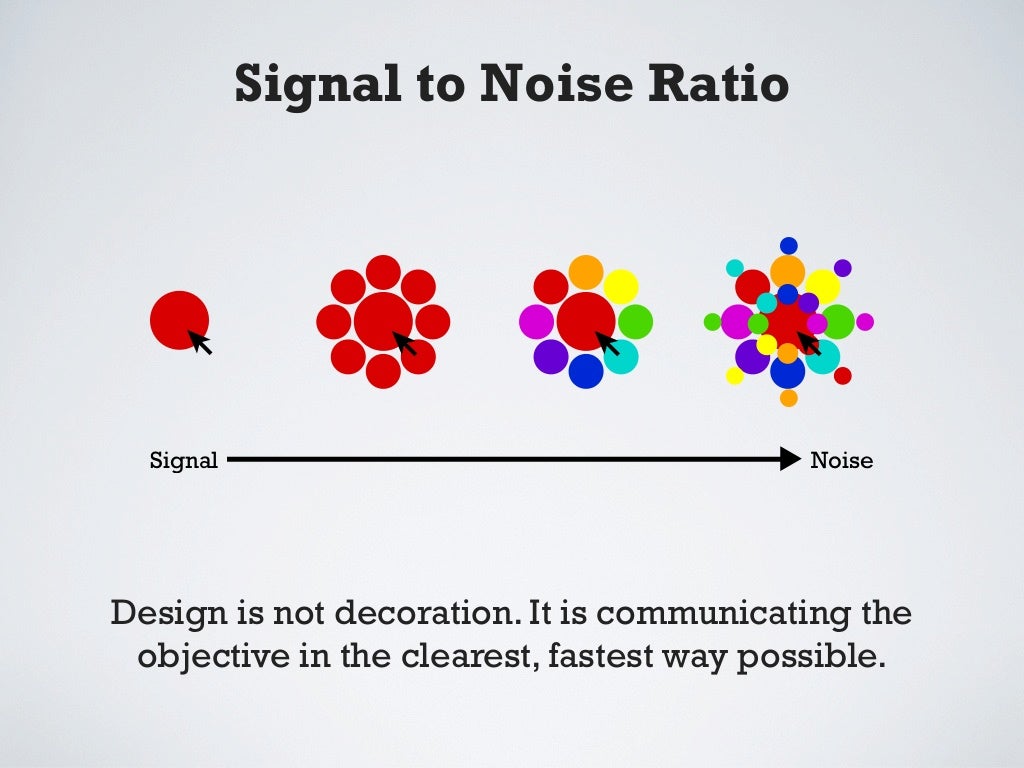
The
signal-to-noise ratio (SNR) is a critical performance metric for CZT (
Cadmium Zinc Telluride) detectors, particularly in applications that require high-resolution imaging and precise spectroscopy, such as gamma-ray and X-ray detection. The SNR is defined as the ratio of the desired signal (the photon interaction response) to the unwanted noise (background or thermal noise), and it directly affects the detector's ability to discern between different energy levels of radiation. Several factors contribute to reducing the SNR in CZT detectors, and understanding these factors is essential for improving the performance of the detectors in practical applications.
## 1. Thermal Noise (Dark Current)
One of the major sources of noise in CZT detectors is
thermal noise, also known as
dark current. Dark current is the leakage current that flows through the detector even when no radiation is present. This noise is particularly problematic in semiconductor detectors like CZT, where the generation of charge carriers occurs not only due to photon interactions but also due to thermal excitation of electrons.
*
Impact on SNR: At higher temperatures, the thermal generation of charge carriers increases, which raises the dark current. This current adds to the overall signal output and contributes to noise, degrading the SNR. In CZT, this effect is particularly pronounced because of the relatively high
intrinsic leakage currents at room temperature.
*
Mitigation: Cryogenic cooling is typically employed to reduce dark current by lowering the thermal energy available to excite charge carriers. Cooling the detector to lower temperatures reduces the number of thermally generated charge carriers, thereby reducing the dark current and improving the SNR.
## 2. Charge Carrier Trapping and Recombination
CZT detectors are susceptible to
charge carrier trapping and
recombination due to the presence of defects in the crystal lattice. These defects, such as vacancies, dislocations, and grain boundaries, act as
trap states for the free charge carriers (electrons and holes). When charge carriers are trapped, they are unable to contribute effectively to the signal, resulting in lower charge collection efficiency.
*
Impact on SNR: Trapped carriers can recombine before reaching the electrodes, leading to incomplete signal generation and reduced overall efficiency. This reduces the effective signal and increases the noise level. The recombination of charge carriers increases the
electronic noise in the detector, which contributes to a lower SNR. These effects become more significant at lower temperatures, where the carriers have lower thermal energy and are more likely to be trapped.
*
Mitigation: The impact of charge carrier trapping can be reduced by optimizing the
doping concentration, improving crystal quality (i.e., reducing defect density), and passivating the surface of the detector to prevent surface recombination. Techniques such as
high-quality crystal growth and
low-defect-density processing can help mitigate this issue.
## 3. Electromagnetic Interference (EMI) and Crosstalk
Electromagnetic interference (EMI) from external sources, such as power supplies, other electronic devices, or even the detector’s own electronics, can significantly degrade the SNR of CZT detectors. EMI can induce unwanted signals in the readout electronics, resulting in noise that adds to the detector signal.
*
Impact on SNR: EMI can cause fluctuations in the signal output, leading to increased noise. This interference is often seen as
spikes or
drift in the signal that obscures the real response of the detector. Additionally, in detectors with
multiple sensing elements (e.g., multi-pixel or multi-channel detectors),
crosstalk between adjacent pixels can cause noise from one element to propagate to others, further degrading the SNR.
*
Mitigation: To minimize EMI, shielding techniques (e.g.,
Faraday cages) and proper grounding are essential.
Signal processing algorithms and
hardware filters can also be used to isolate the desired signal from the noise. In multi-pixel detectors,
proper electrode design and
physical separation of the sensing elements can reduce crosstalk.
## 4. Fano Factor and Statistical Noise
The
Fano factor refers to the statistical fluctuation in the number of charge carriers generated in the detector due to photon interaction. This statistical fluctuation can introduce noise in the signal, known as
photon counting noise or
quantum noise.
*
Impact on SNR: The Fano factor introduces an inherent
shot noise component to the signal. In CZT, this factor depends on the
energy of the incident photon and the
efficiency of the material in converting photon energy into charge carriers. The Fano factor is greater than 1 for CZT, meaning that there is a higher fluctuation in the number of charge carriers generated for a given number of photon interactions. This increases the noise, especially at lower photon energies, where the signal is weak relative to the statistical fluctuations.
*
Mitigation: The effects of the Fano factor can be mitigated by optimizing the
detector thickness and
material quality to improve photon interaction efficiency and minimize charge collection inefficiency.
Signal processing techniques, such as
pulse shaping, can also be used to reduce the impact of statistical noise by improving the clarity of the detected signal.
## 5. Charge Transport and Drift Velocity
The
drift velocity of charge carriers (electrons and holes) in the CZT detector is critical for ensuring that the generated charge is efficiently collected at the electrodes. Charge transport in CZT is affected by the
mobility of charge carriers, which can be influenced by factors such as
doping concentration,
temperature, and
electric field.
*
Impact on SNR: At higher doping concentrations, the mobility of charge carriers tends to decrease due to increased
scattering events and
impurity interactions, which impedes charge transport. Poor charge transport leads to
delayed signal collection and
low charge collection efficiency, both of which contribute to increased noise and a reduced SNR. In CZT, the low intrinsic mobility of charge carriers compared to other materials like silicon further exacerbates this issue.
*
Mitigation: To improve charge transport, the
electric field applied across the detector can be optimized to ensure efficient charge drift. In addition,
passivation of the detector surface and
minimizing the trap density through improved crystal growth can enhance carrier mobility. The use of
low-doping concentrations in certain regions of the detector can also help to improve mobility.
## 6. Leakage Currents and Surface States
Leakage currents, which are unwanted currents that flow through the detector even in the absence of radiation, contribute significantly to the overall noise in CZT detectors. These currents are especially problematic in
high-resistance materials like CZT, where the absence of a large number of free charge carriers makes the detector more sensitive to leakage currents.
*
Impact on SNR: Leakage currents increase the baseline noise in the signal readout, making it more difficult to distinguish the actual photon-induced events from the noise. This can lead to a
reduction in the effective energy resolution and a lower SNR, as the leakage current obscures the signal and adds background noise.
*
Mitigation: The most effective method for reducing leakage currents is
cryogenic cooling, which reduces the thermal generation of charge carriers and thereby limits the leakage current. In addition,
high-quality surface passivation and
use of Schottky contacts can help to reduce surface leakage and improve the overall SNR.
## 7. Low Photon Detection Efficiency
The efficiency of photon detection in CZT is directly related to the material's ability to generate electron-hole pairs and transport them to the electrodes.
Low photon detection efficiency can lead to an underestimation of the incident photon flux, which introduces noise in the measurement.
*
Impact on SNR: Low photon detection efficiency results in a weak signal being generated for incoming radiation, which makes the noise more pronounced relative to the signal. As a result, the SNR is lowered, particularly for weak or low-energy photon interactions where the signal is smaller and more susceptible to noise.
*
Mitigation: Improving the
material quality (by reducing defects),
optimizing crystal growth, and increasing the
thickness of the detector to enhance photon absorption are key strategies to improve detection efficiency. Additionally,
biasing the detector to create an optimal electric field can help to improve the charge collection efficiency and enhance the signal strength.
## 8. Electrical Noise from Readout Electronics
Finally, the
readout electronics used to process the signal from the CZT detector can introduce significant noise. This includes
amplifier noise,
digitization noise, and
electrical pickup from other components in the detection system.
*
Impact on SNR: Poor-quality readout electronics can introduce noise at various stages of signal amplification and processing, which reduces the overall SNR. This is especially noticeable when the detector signal is weak and the noise introduced by the electronics becomes more significant.
*
Mitigation: Using
low-noise electronics,
shielded cables, and
proper grounding techniques can reduce the contribution of readout electronics to the overall noise. Additionally,
pulse shaping techniques in the electronics can help to filter out unwanted noise components and improve the clarity of the signal.
## Conclusion
The signal-to-noise ratio (SNR) in CZT detectors is influenced by a variety of factors, including thermal noise, charge carrier trapping, statistical noise, leakage currents, and the quality of the readout electronics. While cryogenic cooling and crystal optimization techniques can help mitigate many of these issues, careful attention must be paid to the doping concentration, electric field configuration, and detector material quality to achieve an optimal balance between signal strength and noise. Improvements in these areas can significantly enhance the SNR, leading to better resolution and higher sensitivity in applications such as gamma-ray and X-ray spectroscopy.
CdZnTe Association (CdZnTe.com)
https://www.cdznte.com/blog/what-are-the-potential-issues-with-czt-detectors-in-terms-of-signal-to-noise-ratio.html



