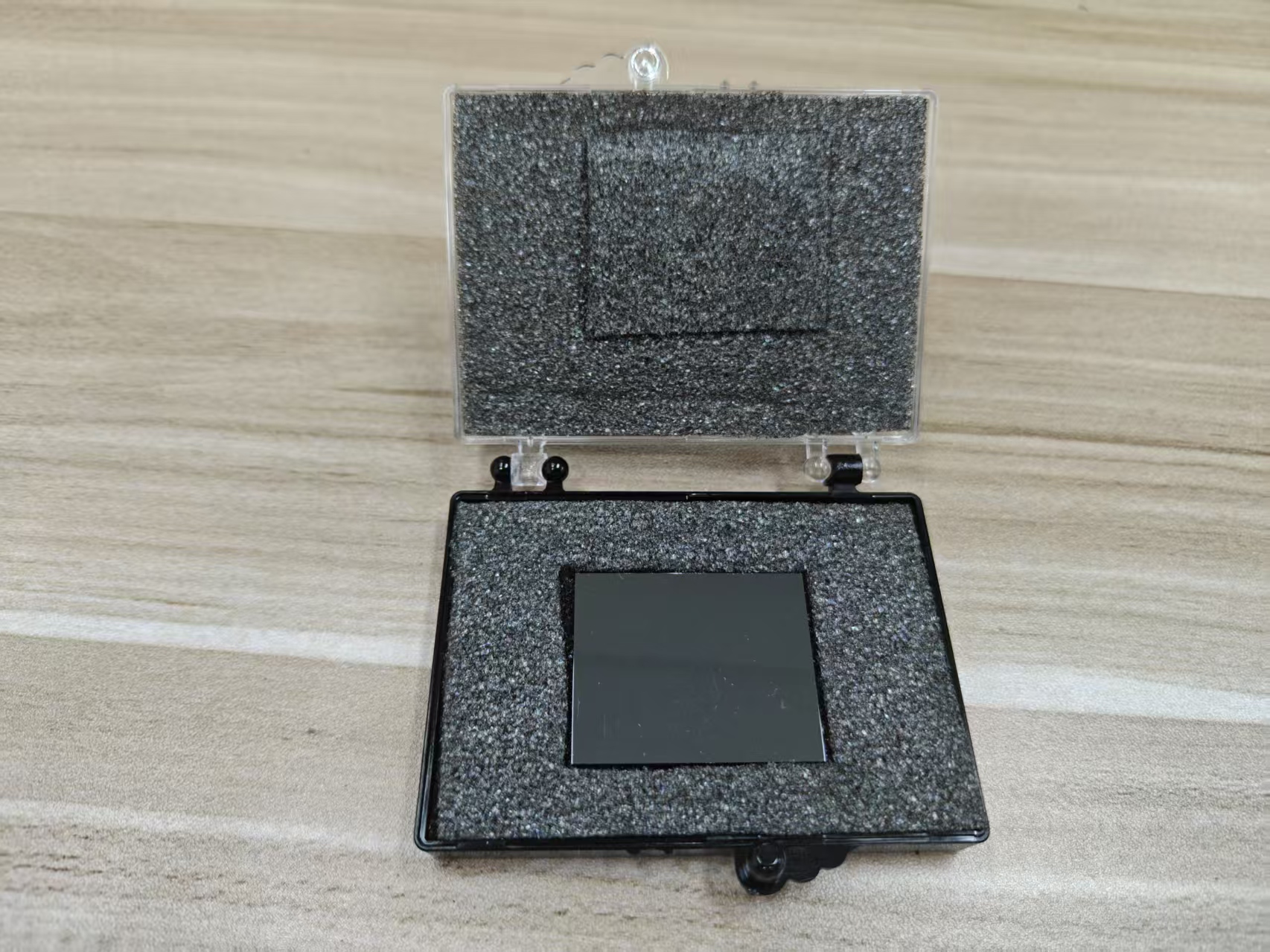
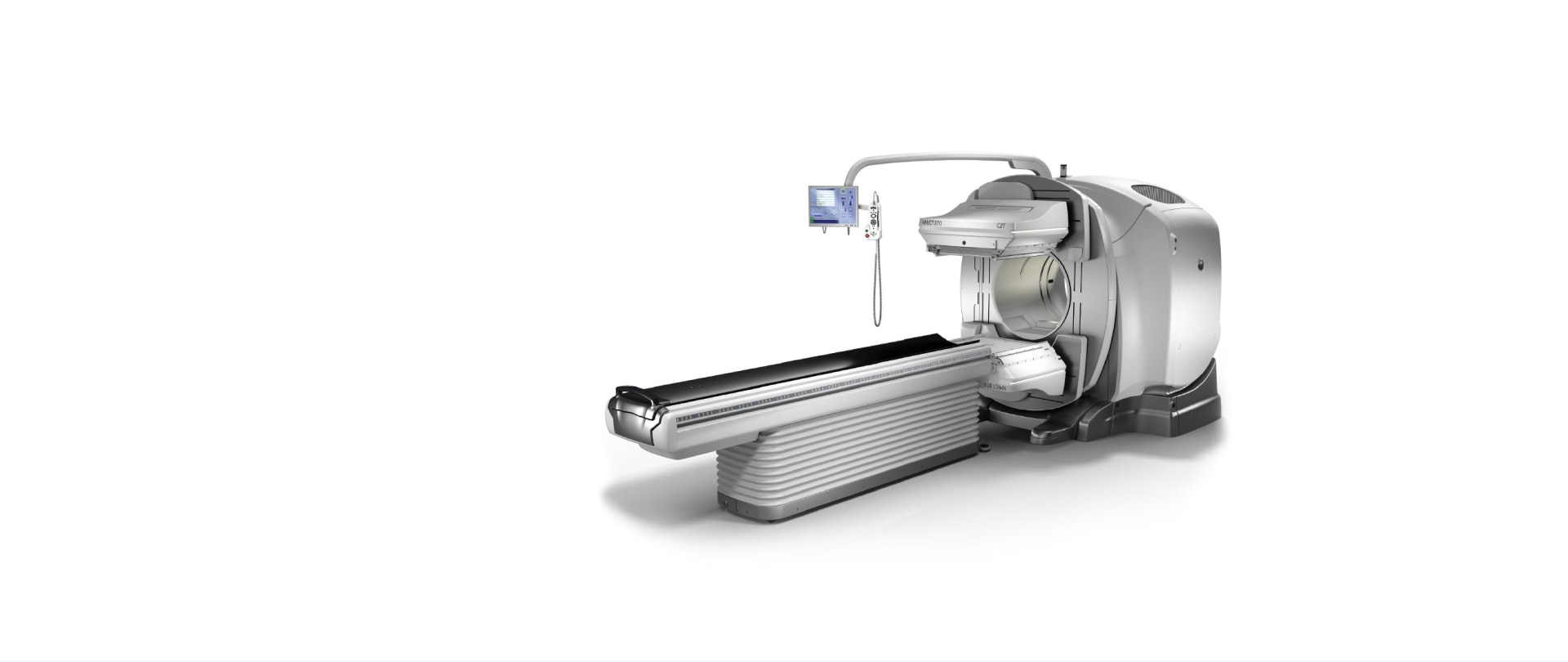
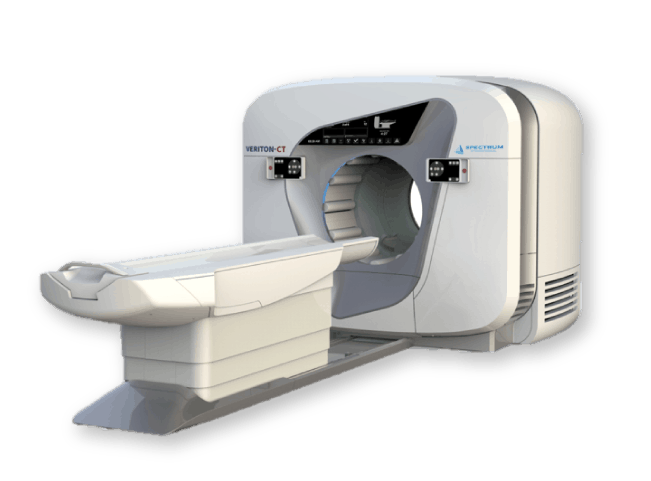
The use of
CZT (Cadmium Zinc Telluride) in radiation detection devices and other applications, while offering significant advantages in terms of performance, presents several
safety concerns that need to be addressed. These concerns primarily arise from the
toxic nature of cadmium (Cd), a key component of CZT, and the potential risks during
manufacturing,
handling, and
disposal of CZT-based devices. Below, we discuss the various safety aspects related to CZT and its applications.
## 1. Toxicity of Cadmium (Cd)
One of the most significant safety concerns with CZT is the presence of
cadmium, a
toxic heavy metal. While cadmium in its
solid form within the CZT crystal is generally stable and does not pose an immediate threat under normal operational conditions,
exposure to cadmium compounds can have serious health effects, particularly if
inhaled,
ingested, or if it comes into
contact with broken crystals.
## a. Health Hazards
*
Cadmium exposure is known to cause a range of health issues, including:
*
Respiratory problems such as
lung irritation,
bronchitis, and
pulmonary edema.
*
Kidney damage, as cadmium accumulates in the kidneys over time.
*
Bone damage and increased risk of
osteoporosis.
*
Cancer: Long-term exposure to cadmium has been linked to
lung cancer and potentially to cancers of the
prostate and
kidneys.
*
Cadmium toxicity may not be immediately evident, as it accumulates in the body over time, leading to
chronic poisoning in the case of continuous exposure.
## b. Manufacturing Risks
During the
synthesis and
processing of CZT crystals, especially when
cadmium-containing materials are involved, workers may be exposed to
cadmium vapors or
dust. The
inhalation of cadmium fumes during high-temperature processing can be particularly dangerous. It is crucial to ensure that
appropriate ventilation and
personal protective equipment (PPE) are used during manufacturing to prevent
inhalation and
skin contact with cadmium.
*
Protective measures include the use of
fume hoods,
respirators, and
protective clothing in the manufacturing environment to mitigate the risks of
cadmium exposure.
## 2. Breakage and Leaks
While CZT crystals themselves are relatively stable under normal conditions, the
breakage of a CZT detector can pose safety risks. If a
CZT crystal is fractured or broken, especially in a device where it is
encapsulated within a housing, there is a risk that the
cadmium may be exposed to the environment, potentially releasing
toxic cadmium dust or
vapors.
## a. Environmental Contamination
If CZT detectors break or leak during
transport,
installation, or
operation, the
cadmium content may contaminate the surrounding environment, particularly if the material is exposed to heat or acidic conditions, which can increase the
toxicity of cadmium compounds.
*
Cadmium-containing waste must be handled according to
hazardous materials regulations to prevent contamination of the environment.
## b. Handling Procedures
To prevent exposure, proper handling procedures must be followed, especially during the installation or maintenance of devices containing CZT.
Shatterproof housing and
encapsulation can help prevent
crystal breakage and
reduce the risk of exposure. Additionally, personnel involved in the handling of CZT should be well-trained in
emergency response procedures in the event of a
spill or
crystal rupture.
## 3. Disposal and Recycling Concerns
The
disposal of CZT-based devices, especially when they reach the end of their
useful life, is another important safety concern. As CZT contains
cadmium, it falls under the category of
hazardous waste according to many environmental regulations. Improper disposal or
recycling of CZT devices can result in the release of
toxic cadmium compounds into the environment.
## a. Regulatory Requirements
* In many countries, the disposal of
cadmium-containing materials is regulated to prevent
environmental contamination. Devices containing CZT must be disposed of through
specialized hazardous waste disposal channels.
* Additionally,
recycling programs for
CZT detectors must be developed to ensure that cadmium is recovered and safely processed rather than being released into landfills, where it could leach into the soil and water supply.
## b. Recycling Challenges
* The
recycling of CZT is more complex than the recycling of other materials due to the
need to isolate cadmium from other elements in the detector. Special techniques are required to safely recover the cadmium and
reprocess the
tellurium and
zinc content in a way that is environmentally safe.
## 4. Radiation Exposure Concerns
While CZT itself is a
radiation detector rather than a
radiation emitter, detectors used in certain applications, such as
nuclear radiation monitoring or
medical imaging, may be exposed to
high levels of radiation. This is particularly important in environments where devices are used in
high-radiation areas, such as in
nuclear power plants,
space missions, or
medical facilities. The primary concerns related to radiation exposure are:
## a. Radiation-Induced Damage
*
High doses of radiation can damage the
CZT crystal over time, leading to
deterioration in its performance. While this does not pose an immediate health risk to operators, it can affect the
longevity and
reliability of the detector.
*
Radiation may also induce the formation of
defects in the crystal lattice, which can affect the detector’s
efficiency and
energy resolution.
## b. Personnel Safety
While the CZT crystal is designed to
detect radiation, users should always take precautions in
high-radiation environments to avoid unnecessary exposure. This involves ensuring that the
devices are shielded properly, and that personnel follow
safety protocols such as wearing
protective clothing, using
radiation shielding, and limiting exposure time to radiation sources.
## 5. Electromagnetic Interference (EMI) and Health Concerns
CZT detectors are sometimes used in environments where they are exposed to
electromagnetic interference (EMI), such as in
medical imaging equipment or
portable radiation detectors. While EMI does not directly pose a health risk to humans, it can cause
signal distortion or
data inaccuracies in CZT-based devices. Over time, these devices may require
shielding or
sophisticated electronics to prevent interference from affecting the detection performance.
## 6. Electrical Hazards
CZT detectors are typically used in combination with
high-voltage electronics to bias the crystals for efficient charge collection. As such, there are potential
electrical hazards during the operation of these devices, particularly if
protective insulation or
shielding is inadequate. To mitigate these risks:
* Ensure that
high-voltage circuits are well-maintained and
properly insulated.
*
Electromagnetic shielding is used to prevent external electrical fields from affecting the detector’s performance.
## 7. Mitigation Measures and Safety Best Practices
To address the safety concerns associated with CZT, several measures can be implemented:
*
Training: Workers involved in the
manufacturing,
handling, and
disposal of CZT detectors should be trained in the proper safety protocols, including the use of
personal protective equipment (PPE) such as
respirators,
gloves, and
protective clothing.
*
Proper Ventilation: In the manufacturing environment,
fume extraction systems should be in place to prevent inhalation of
cadmium vapors or
dust.
*
Sealed Enclosures: Devices using CZT should be housed in
sealed enclosures to prevent exposure to
broken crystals or
cadmium compounds.
*
Safe Disposal: Implementing
safe disposal practices for CZT-containing devices through regulated
hazardous waste disposal channels is essential to prevent environmental contamination.
*
Radiation Safety: For applications in
radiation detection, ensuring proper shielding and adhering to
radiation safety standards will mitigate risks associated with exposure to high radiation levels.
## Conclusion
While
CZT detectors offer significant advantages in terms of performance, the presence of
cadmium in CZT crystals raises serious safety concerns regarding
toxicity,
handling,
disposal, and potential
radiation exposure.
Preventive measures such as
proper shielding,
encapsulation,
personal protective equipment, and adherence to
hazardous waste disposal regulations are essential to mitigate these risks. With careful management, CZT can be safely used in a wide range of applications, including
radiation detection,
medical imaging, and
space exploration, while minimizing the potential health and environmental hazards associated with its use.
CdZnTe Association (CdZnTe.com)
https://www.cdznte.com/blog/what-are-the-safety-concerns-associated-with-the-use-of-czt-in-devices.html