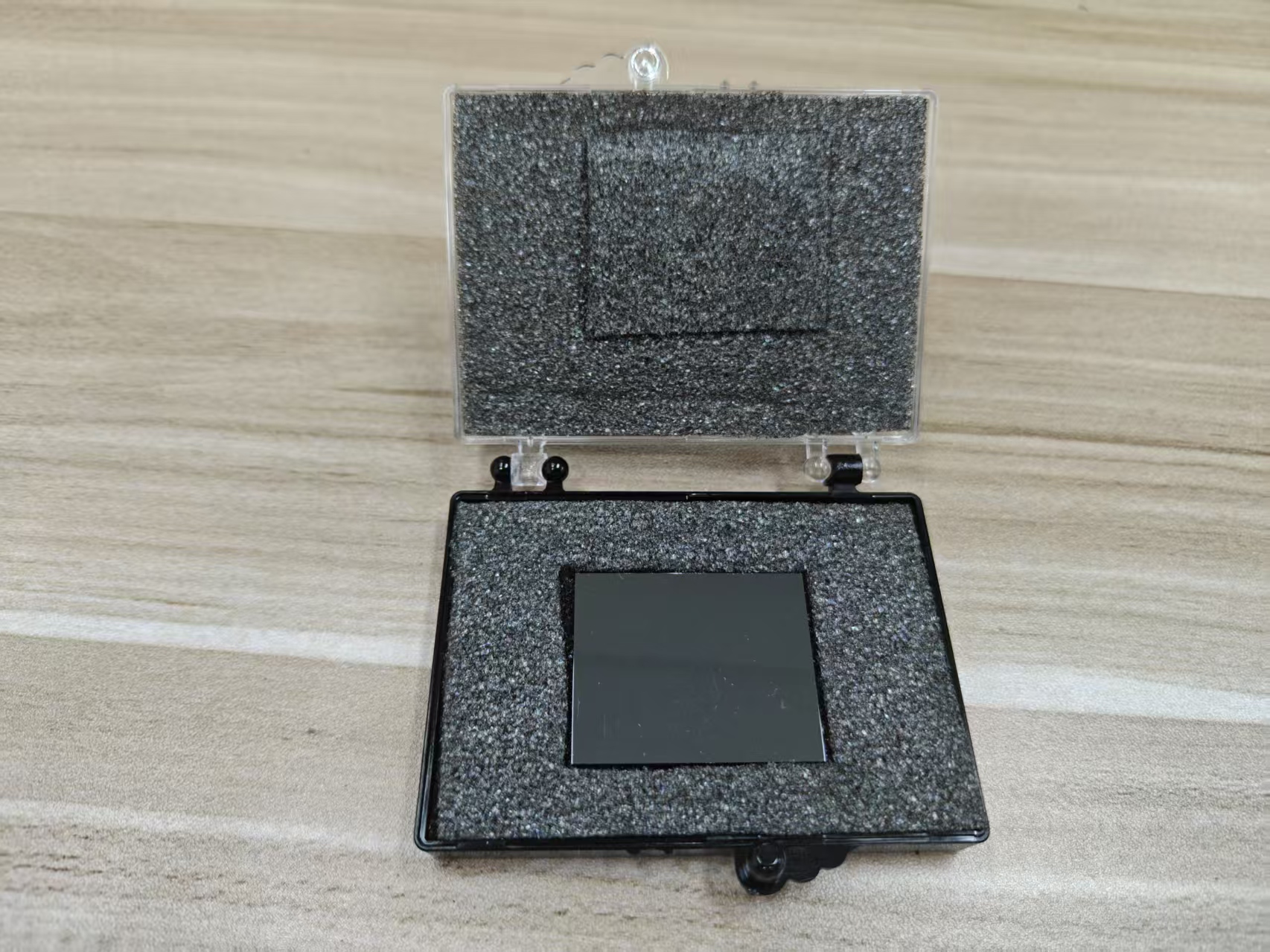
## Effective Growth Methods to Minimize Dislocation Density in CZT Crystal
Minimizing
dislocation density in
CZT (Cadmium Zinc Telluride) crystals is crucial for ensuring
high-quality detector performance and
electronic applications. Dislocations are
defects in the crystal lattice that can
scatter charge carriers, reduce
carrier mobility, and degrade the
overall performance of devices such as
detectors and
sensor arrays. Several crystal growth methods and techniques are employed to minimize dislocation density and improve the
structural integrity of CZT crystals.
## 1. Vertical Bridgman Method
The
Vertical Bridgman (VB) method is one of the most widely used techniques for growing
high-quality CZT crystals. This method can significantly minimize dislocation density if carefully controlled:
*
Controlled Cooling Rate: The cooling rate during crystal solidification in the
VB method plays a key role in minimizing dislocation formation. A
slow cooling rate helps prevent the formation of large temperature gradients, reducing the likelihood of
thermal stresses that can lead to dislocations.
*
Temperature Gradient Control: A
constant temperature gradient across the crystal growth zone helps maintain uniform
solidification conditions, preventing the formation of
thermal-induced stresses that often lead to dislocations.
In the Vertical Bridgman method, the crystal is slowly drawn from a high-temperature melt, and careful control of temperature gradients allows for a
reduced dislocation density by promoting
single crystal growth with minimal stress.
## 2. Chemical Vapor Transport (CVT)
The
Chemical Vapor Transport (CVT) method is another effective growth technique used to reduce dislocation density in CZT crystals. CVT uses
gaseous cadmium and tellurium precursors to transport the material to a cooler region, where it condenses into a crystal:
*
Lower Growth Temperature: CVT generally operates at lower temperatures than other methods, such as
Bridgman or
Czochralski, reducing the risk of
thermal stresses and
dislocation formation.
*
High Purity Environment: CVT typically uses
high-purity starting materials and a
controlled atmosphere, which reduces the likelihood of
impurity incorporation that could act as
dislocation sources.
*
Slow Growth Rate: The
slow growth rate in CVT results in a
low dislocation density due to less abrupt changes in temperature and pressure.
The use of a controlled vapor transport process in CVT results in a
high-quality CZT crystal with reduced mechanical stress and low dislocation density.
## 3. Czochralski Method
The
Czochralski (CZ) method is a popular crystal growth technique used for semiconductor crystals, including CZT. This method involves pulling a seed crystal from a molten material under
controlled temperature and
atmospheric conditions:
*
Seed Selection: The choice of the
seed crystal is crucial. By using a
high-quality seed, the growth process can be controlled to reduce the formation of
dislocations and promote
single crystal growth.
*
Rate of Crystal Pulling: In Czochralski growth, the
pulling rate must be carefully controlled. A
slow pulling rate minimizes the generation of dislocations as it allows the material to solidify uniformly without inducing
thermal stresses.
*
Atmosphere Control: Maintaining a
controlled atmosphere (e.g.,
argon or
vacuum) during the growth process helps reduce the incorporation of
gaseous impurities that can contribute to
dislocation formation.
The
Czochralski method can be used to produce
single-crystal CZT, but requires precise control of both the growth parameters and the environment to achieve low dislocation densities.
## 4. Modified Bridgman Method
A modification of the traditional
Bridgman method involves the use of a
gradient freeze technique that controls both the
temperature and
solvent gradient:
*
Optimized Temperature Gradient: By using an
optimized temperature gradient, the method reduces the risk of
thermal strain that can lead to dislocations during the growth phase. This is achieved by slowly varying the temperature as the crystal grows, ensuring smooth transitions and minimizing
strain.
*
Slow Growth Process: The
slow growth process inherent in the modified Bridgman method helps in forming high-quality crystals with fewer defects, including dislocations.
By reducing
thermal gradients and
stress during growth, this method improves the quality of
CZT crystals, helping minimize the
dislocation density.
## 5. Hot Isostatic Pressing (HIP)
Hot Isostatic Pressing (HIP) is a post-growth treatment that can be used in conjunction with other growth methods to minimize
dislocation density:
*
Stress Relief: HIP is often applied after the crystal is grown to relieve internal
thermal stresses that may have been introduced during the growth process. This is particularly important for
polycrystalline CZT crystals, which tend to have more dislocations.
*
High Pressure and Temperature: The use of
high-pressure and
high-temperature conditions allows for the diffusion of
vacancies and
dislocations, effectively reducing the
dislocation density by promoting
self-healing of the crystal lattice.
Though
HIP is a post-growth treatment, it can significantly enhance the
structural quality of
CZT crystals grown using other methods.
## 6. Directional Solidification
Directional solidification is another method that has been employed in some cases to minimize dislocation density during the crystal growth process. In this method:
*
Controlled Solidification Direction: The crystal solidifies in a
controlled direction, ensuring that the grain structure is oriented in a way that minimizes dislocation formation.
*
Elimination of Thermal Stresses: By controlling the direction of solidification, thermal gradients and
stress-induced dislocations are minimized, allowing for the growth of
low-defect crystals.
Directional solidification is particularly effective in growing
high-quality single crystals and is commonly used for
large-area CZT crystals.
## 7. Post-Growth Treatments
In addition to optimizing the growth process, certain
post-growth treatments can help reduce dislocation density in CZT crystals:
*
Annealing:
Post-growth annealing can help eliminate some dislocations by promoting
recrystallization. This process can reduce
strain energy and help repair defects.
*
Vacuum Annealing: Performing annealing in a
vacuum or controlled inert atmosphere helps to reduce
surface contamination and repair
point defects, which can act as sources of dislocations.
These post-growth treatments, when applied carefully, can
further reduce dislocation density in CZT crystals.
## 8. Summary
Minimizing
dislocation density in CZT crystals is crucial for ensuring
high-quality performance in devices. The most effective growth methods for achieving low dislocation densities include the
Vertical Bridgman method,
Chemical Vapor Transport, and the
Czochralski method, each requiring precise control of
temperature gradients,
growth rates, and
atmospheric conditions. Additionally,
post-growth treatments such as
annealing and
Hot Isostatic Pressing (HIP) can further help reduce dislocation density and improve the
structural integrity of the crystal. The careful combination of these methods can result in
high-quality, low-defect CZT crystals suitable for use in a wide range of high-performance applications.
CdZnTe Association (CdZnTe.com)
https://www.cdznte.com/blog/what-growth-methods-are-most-effective-in-minimizing-dislocation-density-in-czt-crystal.html