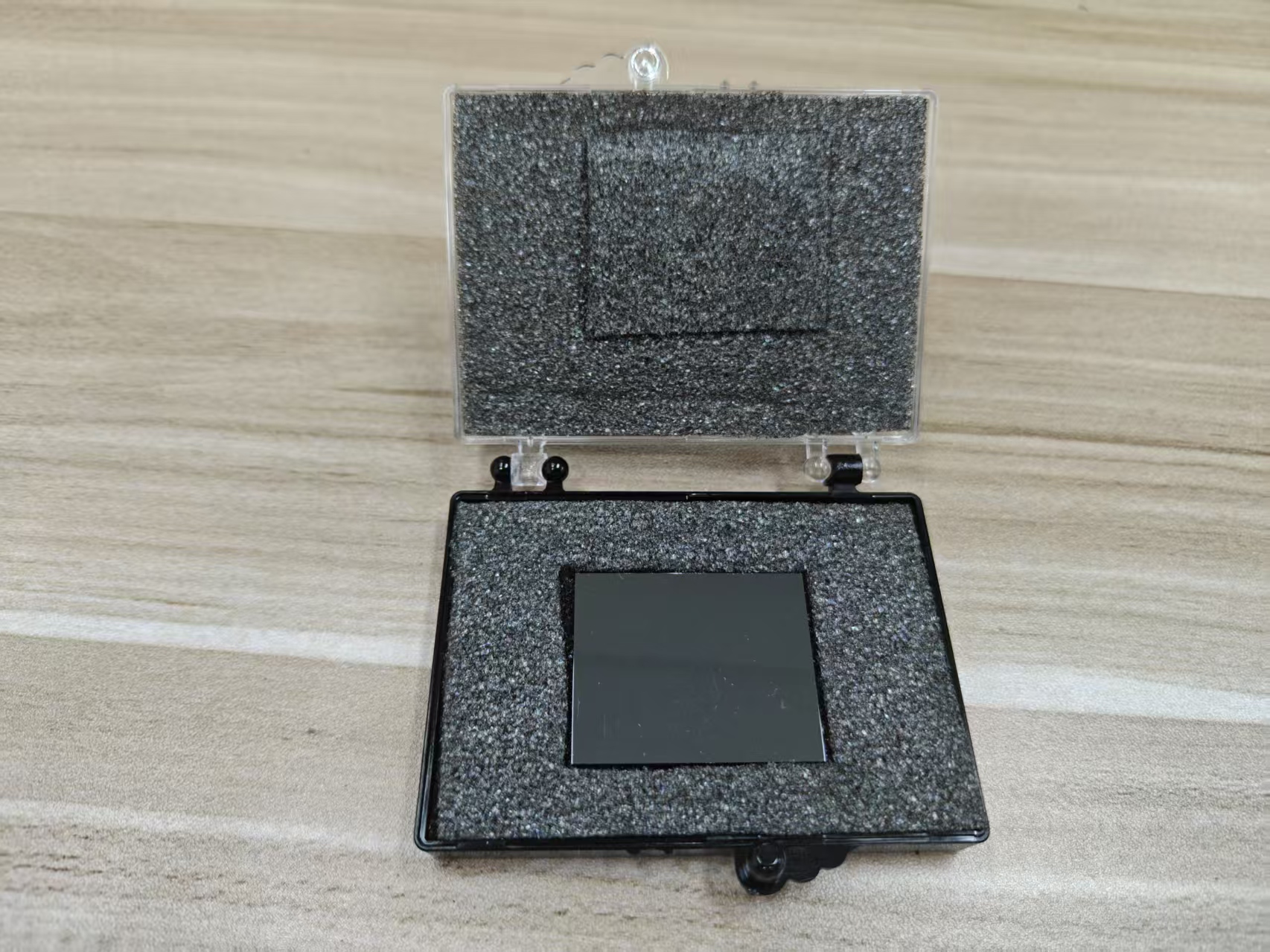
Cadmium Zinc Telluride (CZT)
 is a semiconductor material that has found a wide array of applications, especially in radiation detection due to its excellent performance characteristics. CZT is an
alloy of cadmium telluride (CdTe) and zinc telluride (ZnTe), offering improved properties compared to pure CdTe, making it an ideal material for high-resolution detection of various types of radiation, including X-rays, gamma-rays, and neutrons. Its unique characteristics—such as a
wide bandgap, high
atomic number, and
good charge collection efficiency—make CZT particularly well-suited for applications where high resolution, precision, and stability are essential.
Here’s a detailed breakdown of the various applications of CZT:
## 1. Radiation Detection (X-ray and Gamma-ray Detection)
One of the most prominent uses of CZT is in radiation detection for X-rays and gamma-rays. CZT detectors are employed in a variety of fields, such as:
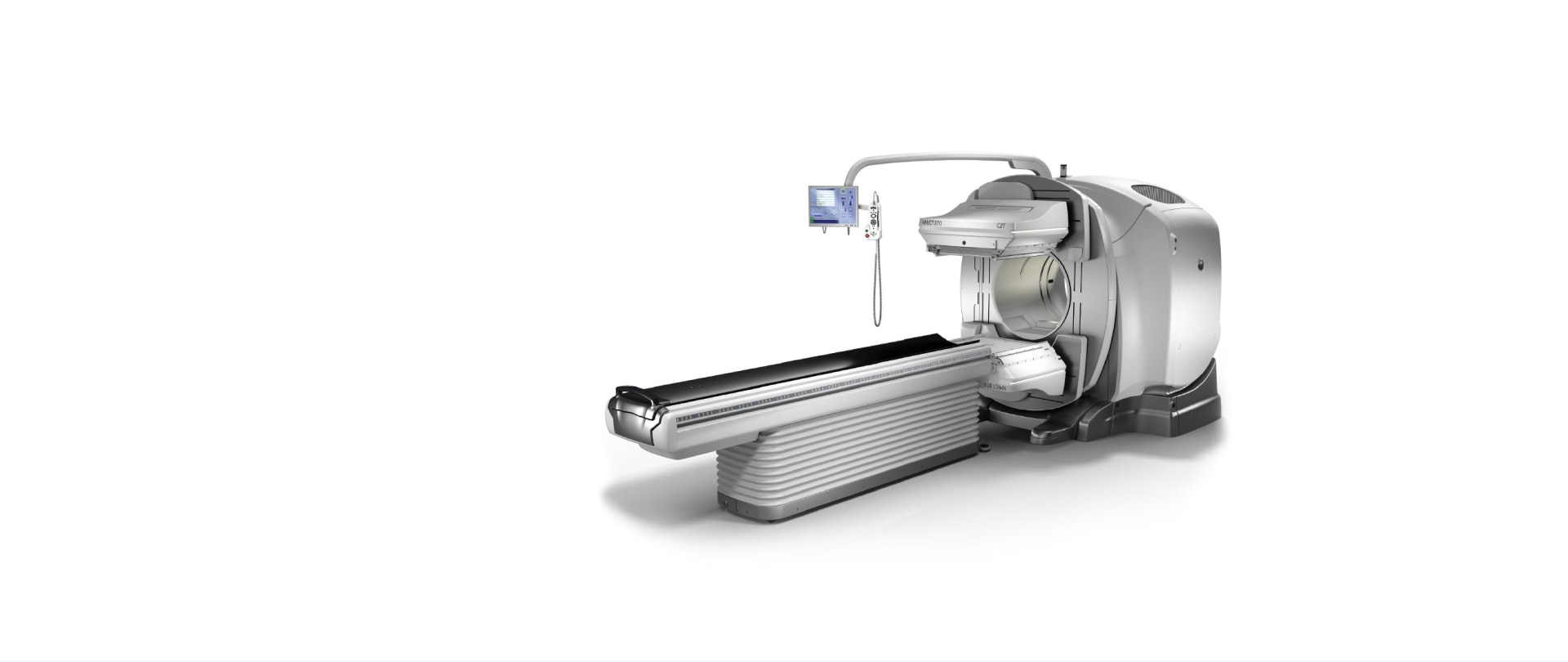
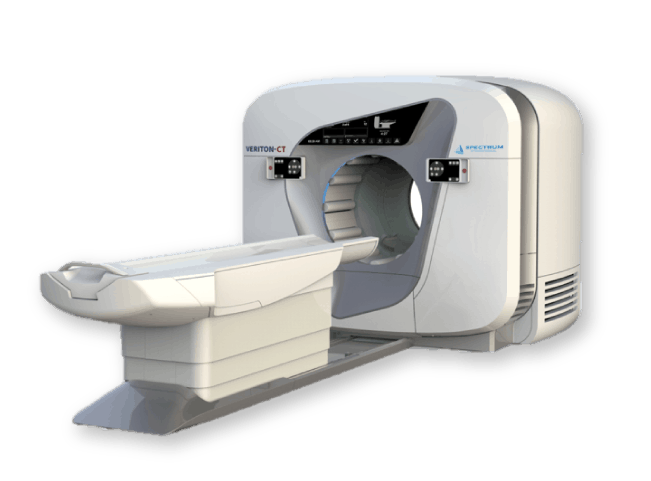
* Medical Imaging and Diagnostics: CZT-based detectors are widely used in positron emission tomography (PET), single-photon emission computed tomography (SPECT), and computed tomography (CT) systems. Their high energy resolution allows for precise imaging, making them suitable for early disease detection and monitoring. They are particularly valuable in cardiac imaging, oncology, and neurology, where high precision is critical.
* Nuclear Medicine: CZT detectors are used in gamma cameras and other diagnostic imaging devices for non-invasive monitoring of the body. Their ability to detect low-energy gamma-rays with high efficiency makes them ideal for applications like radiopharmaceutical imaging.
* Environmental Monitoring: In environmental monitoring, CZT detectors are used to detect radioactive contamination and nuclear materials in the air, water, and soil. This is crucial for ensuring safety around nuclear power plants and for disaster response to potential radiological hazards.
* Security and Defense: In nuclear detection for security applications, such as at airports, military installations, and border crossings, CZT detectors are used to detect radiological threats and nuclear materials. CZT's sensitivity to gamma-ray radiation is highly beneficial in these contexts for rapid screening of materials.
## 2. Space Research and Astronomy
CZT has significant applications in space research, particularly for space-based gamma-ray telescopes and high-energy astrophysical studies:
* Gamma-ray Astronomy: CZT detectors are used in space-based telescopes and observatories for gamma-ray astronomy, which studies high-energy astrophysical phenomena such as supernovae, black holes, and neutron stars. These detectors help capture gamma radiation from distant astronomical objects, providing valuable data on the universe's most energetic processes.
* Solar System Exploration: CZT-based sensors are utilized in missions to study cosmic radiation or solar emissions, as their high sensitivity and energy resolution allow for accurate measurement of high-energy particles in space.
* Planetary Exploration: CZT detectors are employed in robotic space missions to explore other planets and moons, such as detecting radiation on Mars or measuring the surface composition of celestial bodies. The ability of CZT to detect both X-rays and gamma-rays makes it a useful tool for planetary science.
## 3. Nuclear Power Plants and Radiation Safety
CZT plays a crucial role in nuclear power plant monitoring and radiation safety:
* Monitoring Reactor and Fuel Storage: CZT detectors are used to monitor the radiation environment around nuclear reactors, detecting neutron flux and gamma radiation from reactor cores. These detectors provide critical data to ensure the safe operation of reactors and assess any radiation leaks.
* Decommissioning of Nuclear Facilities: During the decommissioning of nuclear facilities, CZT detectors are used to measure radiation levels in the environment, ensuring the area is properly cleared of hazardous radiation.
* Radiation Protection: In personal radiation protection systems, CZT detectors are used to provide workers with real-time data on radiation exposure in environments with high radiation risk, such as in nuclear plants, research facilities, and medical radiology departments.
## 4. Industrial Applications
CZT is also used in a range of industrial applications, primarily in the area of radiography and material inspection:
* Non-Destructive Testing (NDT): CZT detectors are used in industrial radiography for inspecting the integrity of materials and detecting flaws in metal components, welds, and pipelines. The high resolution of CZT makes it suitable for detecting even small cracks or voids in materials.
* Oil & Gas Industry: In the oil and gas sector, CZT detectors are employed for monitoring the integrity of pipelines and machinery. Their ability to detect gamma radiation is useful in detecting corrosion, stress fractures, and other material defects that might compromise the safety and reliability of infrastructure.
## 5. Environmental and Radiological Surveys
CZT is essential for radiological surveys and environmental assessments:
* Radiation Contamination Detection: CZT detectors are used to measure radiation levels in environments where contamination from radioactive materials may be a concern, such as post-nuclear disaster zones or locations with naturally occurring radioactive materials (NORMs). They are capable of providing accurate readings even in environments with low radiation levels.
* Environmental Research: CZT detectors are utilized to study environmental radiation and its impact on ecosystems, human health, and wildlife. These measurements can guide policy decisions related to environmental safety, nuclear waste disposal, and other critical areas of public health.
## 6. Advanced Scientific Research
In addition to space research, CZT detectors find applications in a range of scientific experiments requiring precise radiation detection:
* High-Energy Physics: In particle accelerators and nuclear physics laboratories, CZT detectors are used to detect gamma-rays and neutrons produced in high-energy particle collisions. Their high energy resolution allows for the precise measurement of particle interactions, contributing to research in particle physics and nuclear physics.
* Fusion Research: CZT detectors are also used in fusion research to monitor the radiation emitted by fusion reactors. This includes detecting neutron flux and gamma radiation generated by fusion reactions, which helps scientists understand the behavior of materials under extreme conditions.
## 7. Homeland Security
In the field of homeland security, CZT detectors are employed for a variety of surveillance and security applications:
* Detection of Smuggled Nuclear Materials: CZT detectors are used in border security and port inspection systems to scan cargo containers for illicit nuclear materials or radioactive substances. Their sensitivity to gamma-rays makes them effective in identifying suspicious materials, helping prevent the illegal transport of nuclear or radiological weapons.
* Security Screening: In military and civilian security applications, CZT detectors are used in handheld or portable devices to screen individuals or vehicles for radiological threats at checkpoints, airports, and public events.
## 8. Consumer Electronics
Although less common, CZT is occasionally used in consumer electronic devices, especially in emerging technologies related to personal radiation detectors. These devices are used to monitor background radiation or for personal safety in high-risk areas, providing users with real-time data on radiation levels.
## Conclusion
CZT is an exceptionally versatile material with applications in a wide range of industries, including medical diagnostics, nuclear safety, space exploration, environmental monitoring, and security. Its high energy resolution, compact size, and ability to detect a broad spectrum of radiation types make it an indispensable tool in areas where radiation detection is critical. As research and development continue, the performance and cost-effectiveness of CZT-based technologies are expected to improve, further broadening its range of applications.
CdZnTe Association (CdZnTe.com)
https://www.cdznte.com/blog/what-is-czt-cadmium-zinc-telluride-used-for.html