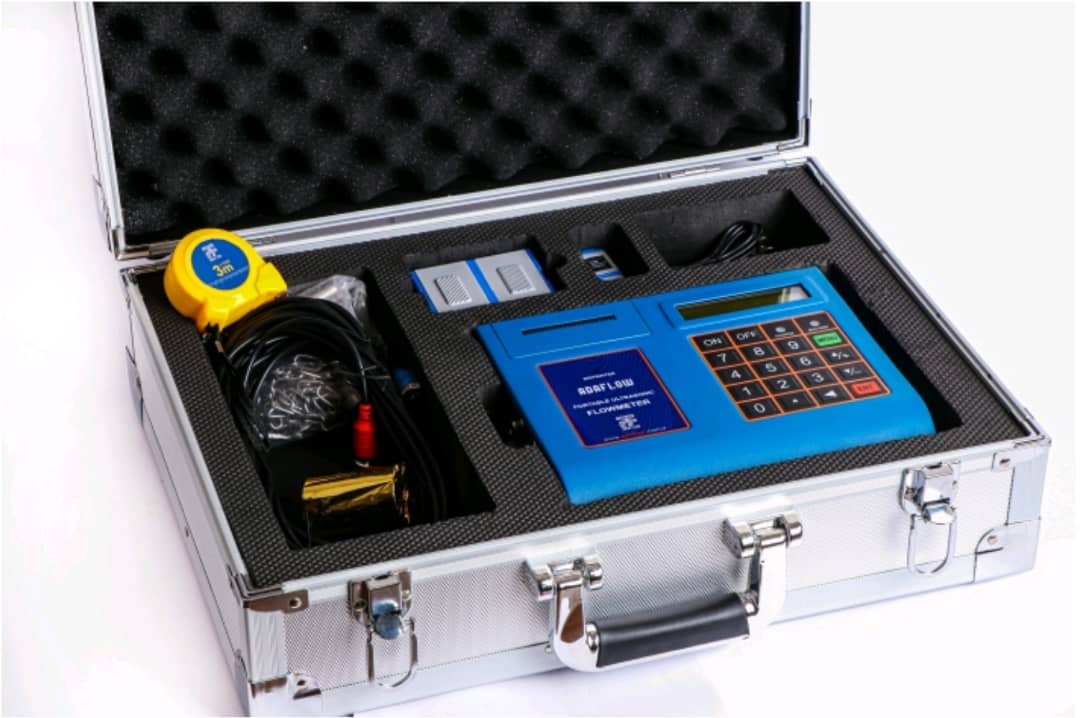
The price range for
CZT-based radiation detectors can vary significantly depending on factors such as
detector type,
size,
performance specifications, and the
intended application. These detectors are more expensive compared to other types of radiation detectors, like
scintillation detectors or
silicon detectors, due to the
cost of raw materials, the
complexity of crystal growth, and the
precision required to manufacture high-quality CZT crystals. Here is a detailed breakdown of the key factors influencing the price range for CZT-based radiation detectors.
## 1. Crystal Quality and Size
## a. Small-Scale or Laboratory-Grade Detectors
* For
small-scale,
laboratory-grade detectors, prices tend to be more affordable but still reflect the inherent cost of
CZT crystals. These detectors often come in compact forms and are designed for lower radiation dose environments, such as
basic radiation research,
educational purposes, or
quality control testing in industries.
*
Price Range: The cost for small or bench-top CZT detectors typically ranges from
$10,000 to $50,000 depending on factors like the detector’s size, energy resolution, and
signal processing electronics.
## b. Large-Scale, High-Performance Detectors
*
Large-scale detectors with
high-energy resolution and capable of handling
high radiation fluxes (e.g., those used in
nuclear power plants,
high-energy physics experiments, or
space radiation studies) are more expensive due to their larger
crystal volume and enhanced performance requirements.
*
Price Range: These larger, high-performance detectors can cost between
$50,000 to $500,000 or more. The exact cost will depend on factors like the size of the crystal, detector design, and the complexity of the readout electronics.
## 2. Energy Resolution and Detector Features
## a. Low Energy Resolution Detectors
* Detectors with
lower energy resolution typically cost less as they offer less precision in distinguishing different radiation energies. These may be used in
general-purpose radiation surveys or situations where
fine energy discrimination is not critical, such as
broad spectrum radiation detection.
*
Price Range: Low-resolution CZT detectors can range from
$5,000 to $30,000 depending on the application and size.
## b. High Energy Resolution Detectors
*
CZT detectors with
high energy resolution are used in applications requiring precise measurements of radiation energy, such as
medical imaging (e.g.,
SPECT,
PET scans) or
nuclear material identification in
security and
nonproliferation applications.
* These detectors are more complex and expensive due to the need for
higher-quality crystal material,
better charge collection efficiency, and advanced
signal processing electronics.
*
Price Range: High-resolution CZT-based detectors, which often integrate with sophisticated
electronics and
data acquisition systems, can range from
$50,000 to $300,000 or more for systems designed for medical or scientific applications.
## 3. Detector Application and Specialization
## a. Medical Imaging Applications
* CZT detectors in
medical imaging applications (such as
gamma cameras and
SPECT scanners) are among the most expensive due to the
high sensitivity,
energy resolution, and
compact design required. These detectors are specifically designed to provide
precise imaging of radiation sources inside the human body.
*
Price Range: Medical-grade CZT detectors integrated into a
gamma camera or
SPECT system can range from
$100,000 to over $1,000,000 depending on the system's complexity and the level of detail in the imaging capabilities.
## b. Nuclear and Security Applications
* In the field of
nuclear security,
CZT detectors are used for
radiation monitoring at
nuclear plants,
border security, and
port inspections. These detectors are often part of
integrated radiation monitoring systems designed to detect specific radioactive isotopes and alert authorities to any potential security threats.
*
Price Range: Depending on the application,
CZT detectors used for
radiation security and
nuclear monitoring typically range from
$20,000 to $250,000, though large systems or those used for
real-time, continuous monitoring can exceed this range.
## c. Space and High-Energy Physics
*
Space missions and
high-energy physics experiments often require
radiation detectors capable of withstanding harsh conditions and measuring extremely high radiation fluxes. CZT detectors are used in
satellite instruments,
astronomical surveys, and
particle detectors due to their
small size,
high efficiency, and
radiation hardness.
* These detectors are generally more expensive due to the
specialized designs,
space-grade materials, and
integration with custom electronics.
*
Price Range: For space-based or particle physics applications, CZT detectors can cost anywhere from
$50,000 to over $500,000, depending on their size, sensitivity, and integration with the rest of the system.
## 4. Development and Customization Costs
## a. Custom or Prototype Detectors
*
Custom-designed CZT detectors—which are often required for specific scientific or industrial applications—can drive up the price significantly. These detectors might involve tailored crystal sizes, unique geometries, or specialized electronics designed to meet the demands of specific research or commercial applications.
* The development of prototype systems or the integration of CZT detectors into larger monitoring systems adds to the cost, as the detector may need to undergo extensive testing, calibration, and adjustment before it can be used in real-world conditions.
* Price Range: Custom detectors or prototypes can cost anywhere from $50,000 to several hundred thousand dollars, depending on the complexity of the design and the application.
## 5. Other Contributing Factors to Cost
## a. Signal Processing Electronics
* The cost of signal processing electronics can represent a significant portion of the overall price of a CZT-based detector. These electronics are responsible for converting the raw signal generated by the CZT crystal into a usable measurement and often require advanced digital or analog circuitry, including high-speed amplifiers, analog-to-digital converters (ADCs), and data acquisition systems.
* Depending on the sophistication of the electronics, the total cost of the detector can increase substantially.
## b. Calibration and Software
* The calibration of CZT detectors, particularly for precision applications such as medical imaging or nuclear monitoring, can add to the overall cost. Calibrated systems often require software for data analysis, visualization, and integration into larger monitoring systems, which may also increase the cost.
## c. Maintenance and Service Contracts
* Many CZT-based detectors, especially those used in critical environments (e.g., medical, nuclear), require ongoing maintenance and service contracts. These costs can be significant over the lifetime of the detector, especially for systems that are in continuous use or require periodic recalibration and performance testing.
## 6. Comparison to Other Radiation Detectors
## a. CZT vs. Scintillation Detectors
* CZT detectors are generally more expensive than scintillation detectors, primarily due to the cost of the CZT crystal and the precision needed in manufacturing. Scintillation detectors often use material such as NaI(Tl), which is less expensive and easier to produce than CZT.
* CZT-based detectors offer superior energy resolution and temperature stability, making them more suitable for high-precision or high-radiation applications, but they come at a significantly higher cost.
## b. CZT vs. Silicon Detectors
* Silicon detectors are often more affordable than CZT-based detectors, particularly for applications involving low-energy radiation or low-cost, portable devices. However, silicon detectors generally have lower energy resolution and limited radiation hardness, making them unsuitable for high-radiation environments or space applications where CZT’s superior characteristics are required.
## Conclusion
The price of CZT-based radiation detectors can range from a few thousand dollars for simpler, lower-resolution detectors to several hundred thousand dollars for high-performance, high-resolution detectors used in medical imaging, nuclear monitoring, and space applications. Factors such as crystal quality, size, energy resolution, application-specific features, and the complexity of electronics and calibration all contribute to the final cost of the detector. While CZT detectors are more expensive than alternatives like scintillation or silicon detectors, their superior energy resolution, room-temperature operation, and high radiation hardness make them the ideal choice for precision applications in high-radiation environments.
CdZnTe Association (CdZnTe.com)
https://www.cdznte.com/blog/what-is-the-price-range-for-czt-based-radiation-detectors.html


