The
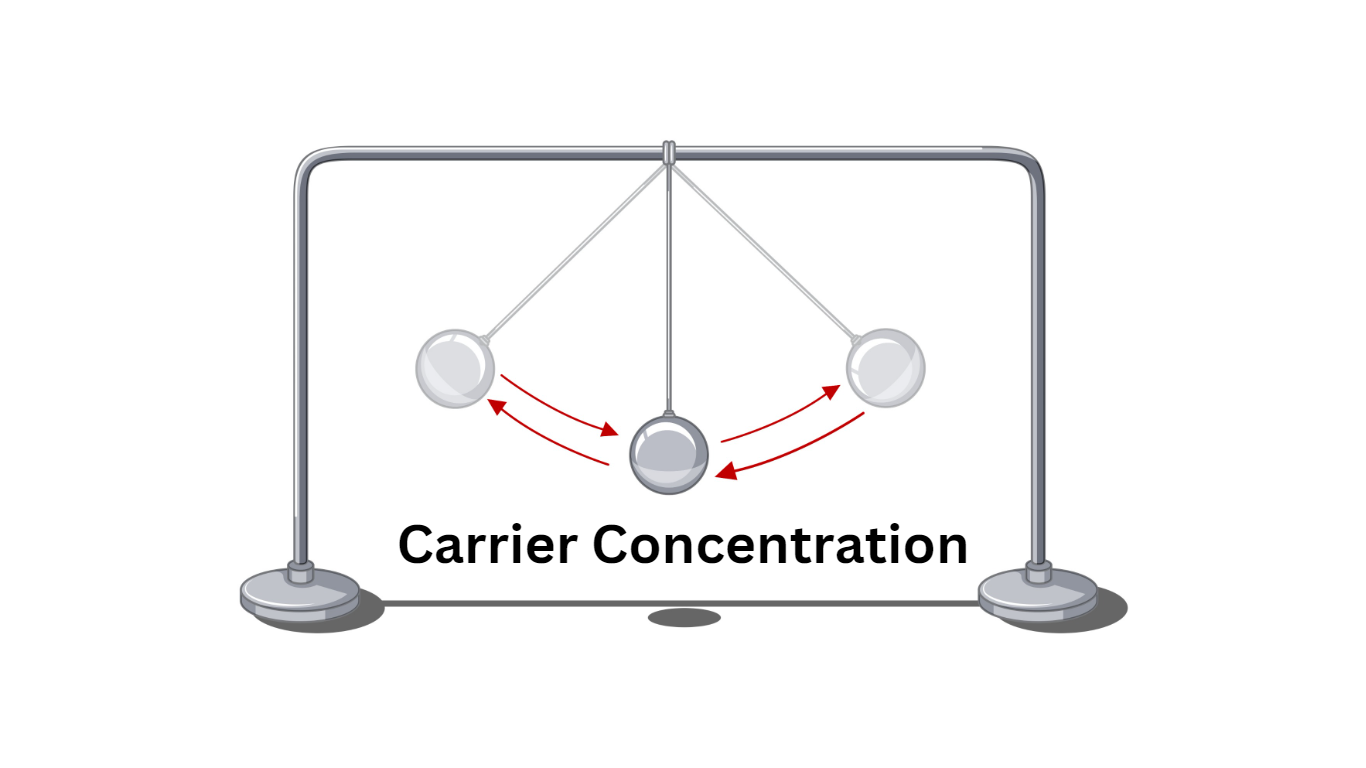
carrier concentration in
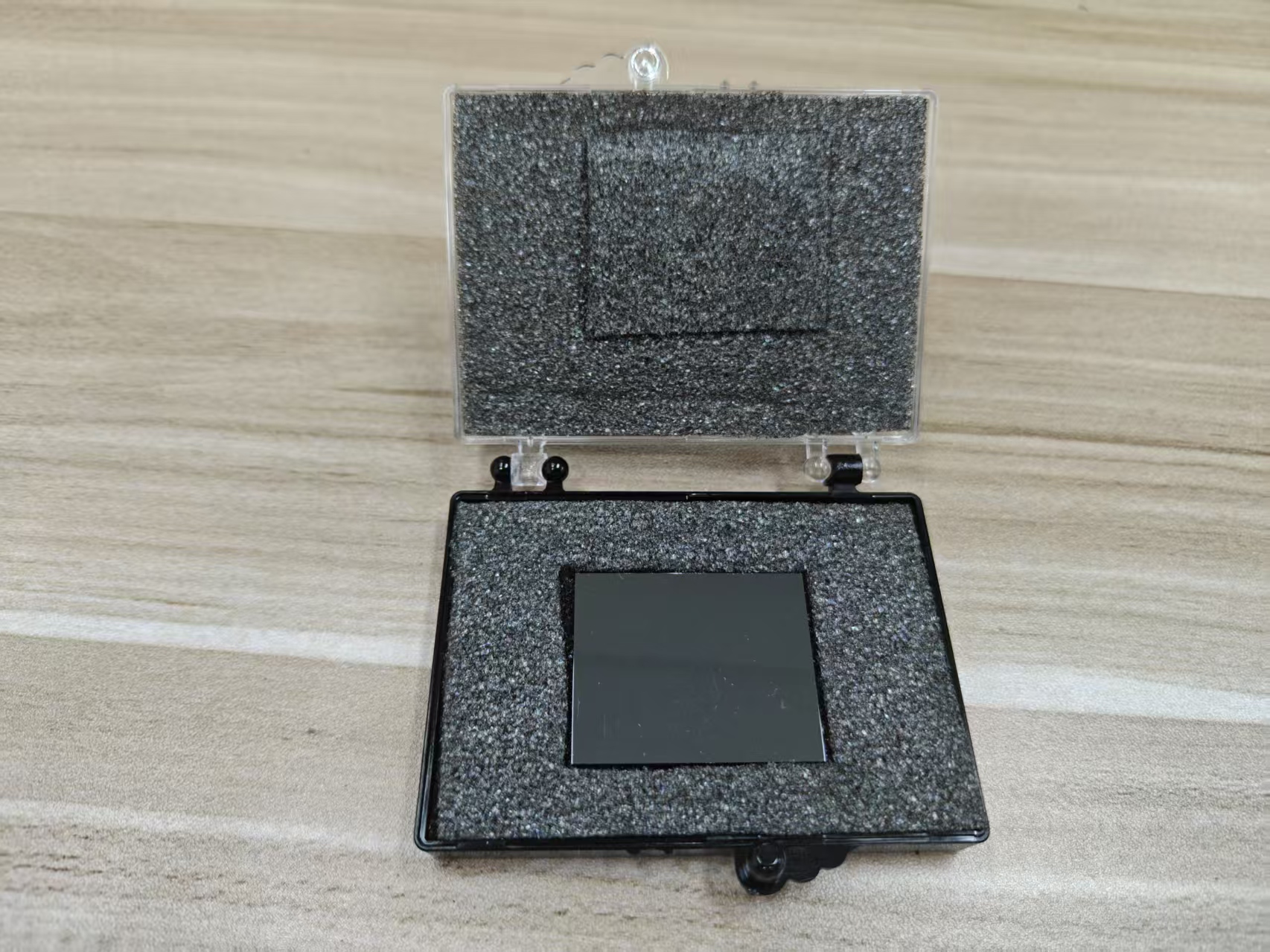
Cadmium Zinc Telluride (CZT) detectors is a key factor that significantly impacts their
performance in radiation detection applications. The performance of CZT detectors, including
charge collection efficiency (CCE),
energy resolution,
sensitivity, and
response time, is closely linked to the concentration of free charge carriers (electrons and holes) within the material. The
carrier concentration is influenced by the
doping levels,
defect density, and
material purity, and has a direct impact on the electrical and electronic properties of CZT detectors.
## 1. Carrier Concentration and Charge Transport
In CZT detectors,
charge carriers (electrons and holes) are generated when radiation (such as X-rays or gamma rays) interacts with the crystal. These carriers are responsible for creating an electrical signal as they move through the material under the influence of an applied electric field. The
carrier concentration directly influences the ability of the CZT material to transport these charge carriers efficiently.
## a. Impact on Mobility
* The
carrier mobility (how easily carriers can move under an electric field) is inversely related to the carrier concentration. High carrier concentrations generally lead to
increased scattering between carriers, which can
reduce mobility. In turn, lower mobility causes
slower charge collection and
longer response times in detectors.
* On the other hand, low carrier concentration leads to higher
mobility but may result in lower overall
signal strength and reduced sensitivity due to the lower number of charge carriers available for detection.
## b. Charge Collection Efficiency (CCE)
*
Charge collection efficiency (CCE) is an important parameter that reflects how effectively the generated charge carriers are collected at the electrodes. If the carrier concentration is too low, fewer carriers are available to produce a measurable signal, leading to poor CCE.
* High carrier concentration can reduce CCE if
carrier recombination or
trapping occurs before the carriers reach the electrodes. This happens because a high concentration of carriers increases the likelihood of
recombination events (where an electron and hole pair combine and dissipate energy as heat), which reduces the overall collected charge.
## 2. Carrier Concentration and Energy Resolution
The
energy resolution of CZT detectors is a measure of how accurately the system can distinguish between different photon energies. It is highly dependent on the number of charge carriers generated and their ability to be collected without significant loss.
*
Higher Carrier Concentration: Increases the likelihood of
carrier trapping and
recombination, leading to
poor energy resolution. Trapped or recombined charge carriers reduce the total number of carriers that contribute to the signal, leading to broader energy peaks in the spectrum.
*
Lower Carrier Concentration: Results in
less trapping and
better energy resolution, as fewer carriers are available to undergo recombination. However, if the concentration is too low, there might not be enough carriers to produce a strong signal, which would result in low
sensitivity and
poor detection capabilities.
## 3. Carrier Concentration and Detector Sensitivity
The
sensitivity of a CZT detector is defined by its ability to detect low levels of radiation. Sensitivity is impacted by the number of charge carriers generated in response to radiation, as well as the ability to collect these carriers efficiently.
*
Higher Carrier Concentration: Increases the number of free charge carriers that are available for collection when radiation interacts with the material. This increases the
signal strength and improves
sensitivity for radiation detection. However, a high concentration of carriers can also result in
recombination and
trap-assisted scattering, which may reduce the efficiency of signal collection.
*
Lower Carrier Concentration: Can result in
less signal generation per radiation event, reducing the sensitivity of the detector. However, lower carrier concentration can improve
energy resolution by minimizing recombination and trapping effects.
## 4. Carrier Concentration and Breakdown Voltage
In
semiconductor detectors, such as CZT, the
breakdown voltage is the voltage at which the material starts to exhibit
avalanche breakdown—a phenomenon where the electric field becomes strong enough to cause carriers to accelerate and create new electron-hole pairs, leading to an uncontrollable increase in current.
* Higher Carrier Concentration: Can cause the breakdown voltage to be reached at a lower applied voltage. This is because the high concentration of free carriers increases the chances of avalanche processes occurring at lower electric fields. As a result, the detector may become unstable or non-linear at lower bias voltages.
* Lower Carrier Concentration: Leads to a higher breakdown voltage, which typically results in more stable operation but can also require higher biasing voltages to achieve optimal charge collection and energy resolution.
## 5. Doping and Carrier Concentration Control
The doping level in CZT crystals is the primary method for controlling the carrier concentration. By carefully introducing dopants such as indium (In) or copper (Cu), the concentration of charge carriers can be controlled. The choice of dopant and its concentration determines whether the material behaves as a p-type or n-type semiconductor and directly influences the carrier concentration.
* P-type Doping: Leads to an excess of holes (positive charge carriers) in the material.
* N-type Doping: Results in an excess of electrons (negative charge carriers) in the material.
Controlling the doping process allows manufacturers to tailor the carrier concentration to optimize energy resolution, charge transport, and detector sensitivity for specific applications.
## 6. Carrier Concentration and Temperature Effects
The carrier concentration in CZT detectors is also temperature-dependent. As temperature increases, thermal excitation causes an increase in the number of free carriers, which impacts various detector characteristics:
* Higher Temperature: Increases the carrier concentration by thermally exciting more electrons from the valence band to the conduction band. However, this can also increase the number of thermal carriers that contribute to background noise, reducing the signal-to-noise ratio (SNR) and potentially degrading energy resolution. It can also exacerbate carrier recombination and reduce charge collection efficiency.
* Lower Temperature: Reduces the number of thermally generated carriers and minimizes background noise, leading to better energy resolution and improved charge collection efficiency. However, low temperatures can lead to reduced mobility of carriers, which may slow down the charge collection process and affect overall detector response time.
## 7. Carrier Concentration and Defects
Defects, such as vacancies, interstitials, and grain boundaries, can also affect carrier concentration by introducing trap states. These traps can capture charge carriers, preventing them from contributing to the overall signal. The impact of these defects on the carrier concentration depends on the density and type of defects present in the material.
* High Defect Density: Increases the probability of carrier trapping, which decreases the effective carrier concentration and reduces the detector's performance.
* Low Defect Density: Minimizes trapping, allowing more carriers to participate in the detection process, thereby improving charge collection efficiency and energy resolution.
## 8. Conclusion
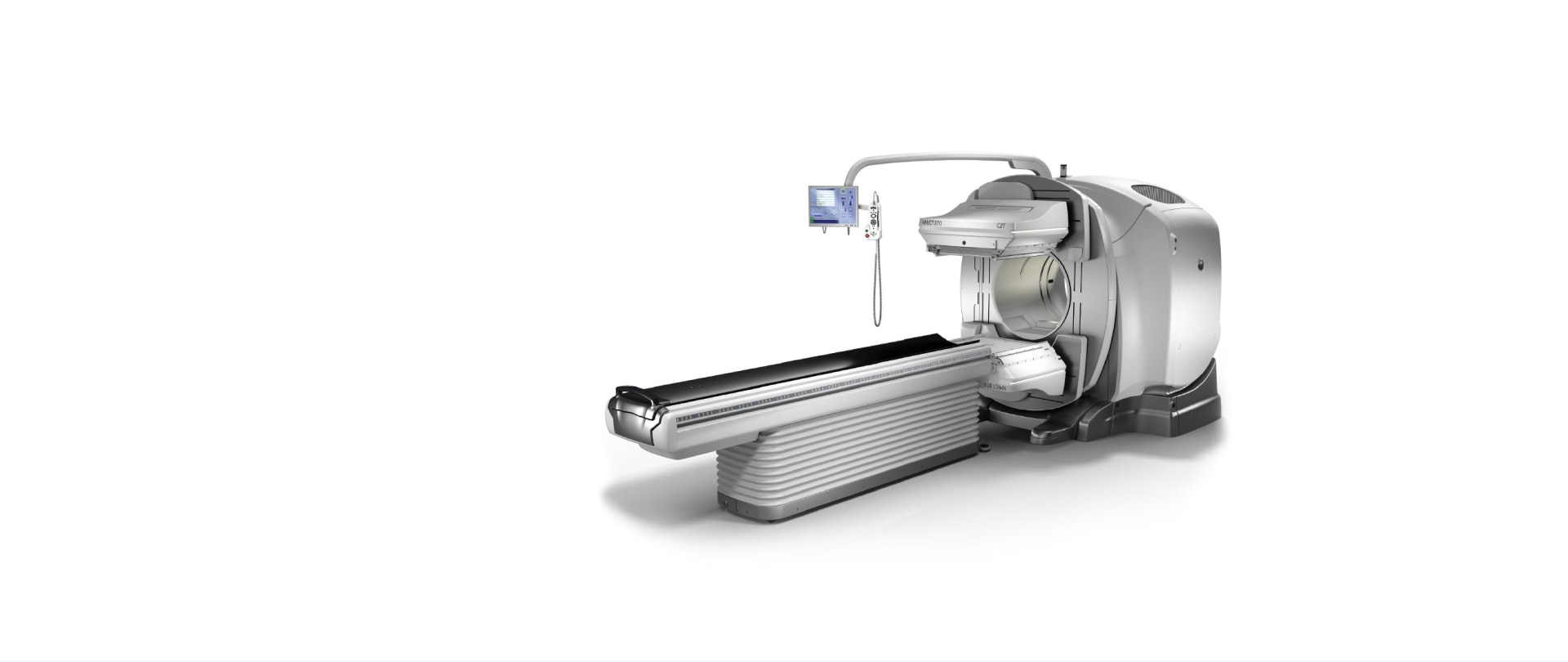
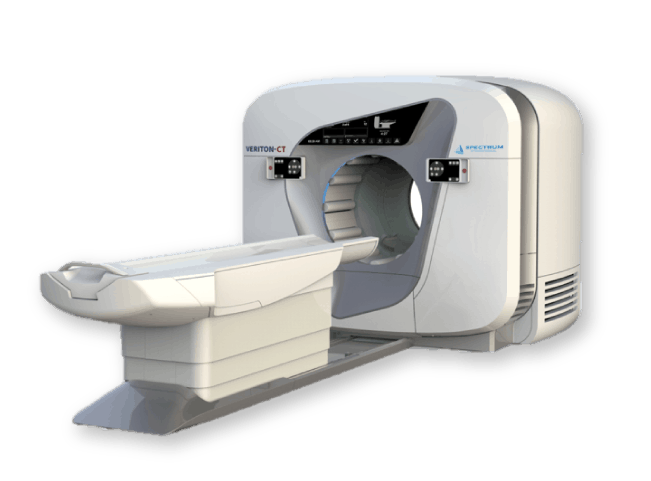
The carrier concentration in CZT detectors is a critical parameter that influences multiple aspects of detector performance, including charge transport, energy resolution, sensitivity, and background noise. Optimal doping and crystal quality are essential for controlling carrier concentration, balancing the trade-offs between high carrier concentration (which enhances signal strength) and low carrier concentration (which improves energy resolution and minimizes recombination). Managing these factors ensures that CZT detectors achieve the desired performance characteristics for various radiation detection applications, including medical imaging, nuclear monitoring, and space exploration.
CdZnTe Association (CdZnTe.com)
https://www.cdznte.com/blog/what-is-the-relationship-between-carrier-concentration-and-the-performance-of-czt-detectors.html