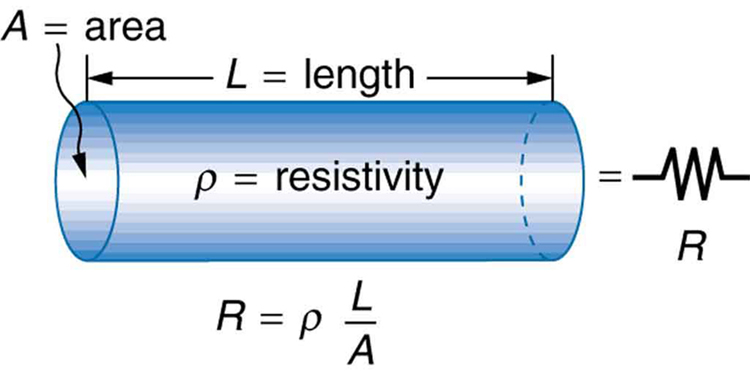
The
resistivity of
Cadmium Zinc Telluride (CZT) crystals at
room temperature is a critical parameter influencing the performance of CZT-based radiation detectors, particularly in terms of
charge transport efficiency and
energy resolution. The resistivity of CZT can vary depending on several factors, including the
stoichiometry of the material, the level of
doping, and the presence of
impurities within the crystal.
## 1. Typical Resistivity Range of CZT
At room temperature (approximately
25°C), the typical resistivity of
CZT crystals falls in the range of:
*
10⁸ to 10¹² ohm·cmThis broad range can be influenced by various factors such as
doping level (the introduction of specific elements to control carrier concentration),
temperature, and
crystal quality.
## 2. Factors Affecting Resistivity
## a. Doping and Carrier Concentration
*
Doping is used to adjust the electrical properties of CZT by introducing donor or acceptor atoms, which increase the concentration of free charge carriers (electrons or holes). The resistivity of CZT is inversely related to the
carrier concentration. Higher doping levels typically result in lower resistivity, as there are more free charge carriers available to conduct electricity.
*
Low Doping: If the crystal is lightly doped, the resistivity will be higher, making the material more insulating. This is useful in detectors, as a higher resistivity can reduce
leakage current and
dark current.
*
High Doping: Higher doping leads to lower resistivity, which is generally undesirable in detector applications, as it can increase the
leakage current and reduce the
signal-to-noise ratio, impacting
energy resolution and overall detector performance.
## b. Crystal Quality and Impurities
* The
purity and
crystal defects significantly affect the resistivity. Impurities and structural defects introduce
trap states that can affect the movement of charge carriers, either by trapping them or creating localized states that act as recombination centers. These factors typically
increase resistivity by hindering charge transport.
## c. Temperature Dependence
* The resistivity of CZT decreases with increasing temperature due to the increased thermal generation of
electron-hole pairs. At room temperature, however, the resistivity remains relatively stable, though the exact value can be influenced by external temperature conditions. For example, the resistivity at lower temperatures (cryogenic environments) will be much higher than at room temperature, which is one reason CZT detectors are often operated at
moderate to high temperatures to achieve optimal performance in radiation detection.
## 3. Impact of Resistivity on Detector Performance
*
Higher Resistivity: For CZT detectors,
higher resistivity is typically preferred, as it leads to
lower leakage current and
reduced dark current. This helps in maintaining the
signal integrity and
energy resolution. However, excessively high resistivity can reduce the
charge collection efficiency and increase the likelihood of
polarization effects under strong applied electric fields.
*
Lower Resistivity: Conversely,
lower resistivity can increase the
conductivity, which is beneficial for applications requiring
high charge transport. However, it can lead to higher
leakage currents and
background noise, thus degrading the
energy resolution in radiation detection applications. Additionally, low resistivity may reduce the
bias voltage required for optimal operation of the detectors.
## 4. Optimizing Resistivity for Detector Applications
The ideal resistivity for CZT-based detectors is a balance between ensuring
sufficient conductivity to support
charge transport while also maintaining low enough resistivity to minimize
leakage current. In practical applications, resistivity is tailored to suit specific needs:
* For
high-resolution gamma-ray and
X-ray detectors,
moderately high resistivity is often targeted to reduce
leakage currents and achieve
low background noise. Typically, the resistivity falls within the
10⁹ to 10¹¹ ohm·cm range for optimal performance.
* For
high-efficiency detectors or applications involving high-energy
photons (such as
space applications or
nuclear physics), the resistivity may be somewhat lower to achieve a balance between the
charge collection efficiency and the
leakage current.
## 5. Conclusion
The resistivity of CZT crystals at room temperature typically ranges from
10⁸ to 10¹² ohm·cm, depending on factors such as
doping level,
crystal purity, and
impurities. The
optimal resistivity for CZT radiation detectors is usually in the range of
10⁹ to 10¹¹ ohm·cm, providing a good balance between
charge transport efficiency and
leakage current. Adjusting the resistivity through
doping and
crystal growth techniques is essential to achieving the desired performance characteristics, particularly in applications that require high
energy resolution and
low background noise.
CdZnTe Association (CdZnTe.com)
https://www.cdznte.com/blog/what-is-the-typical-resistivity-of-czt-crystals-at-room-temperature.html



