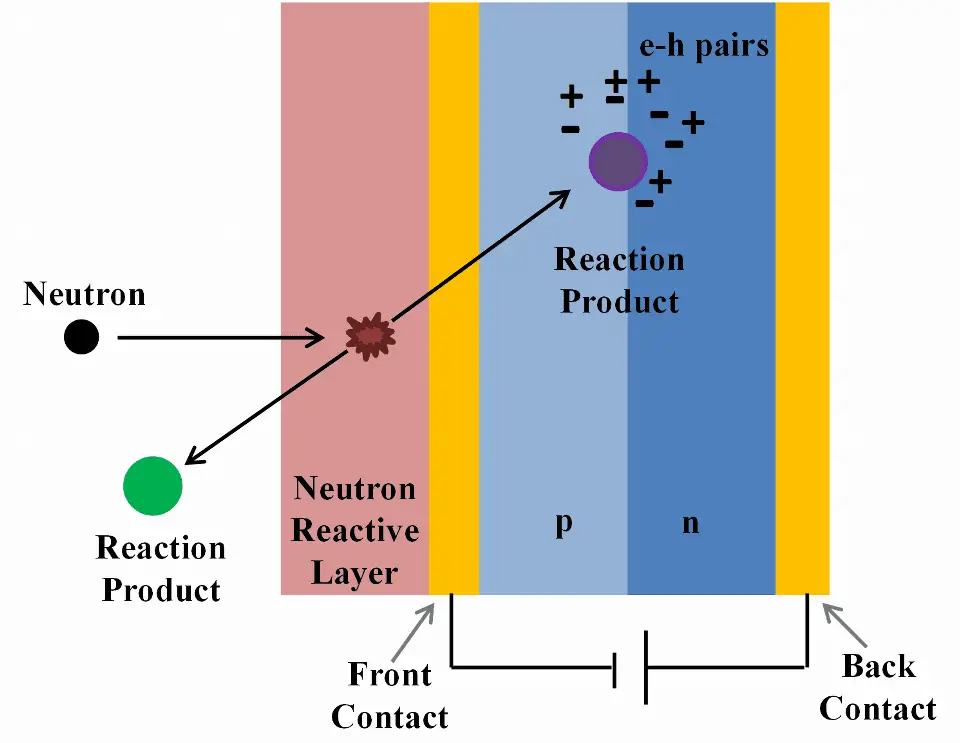
Ambient air poses several
limitations to
neutron detection in
CdZnTe (CZT) detectors, particularly when neutrons are detected through
charged particle conversion mechanisms, such as
(n, γ) reactions or
(n, p) reactions. These limitations arise mainly from
atmospheric components and
environmental factors that interfere with the detection process. Fortunately, these issues can be mitigated through a combination of
physical design optimizations,
material selection, and
environmental controls.
Here’s a detailed look at the limitations ambient air imposes on neutron detection through charged particle conversion in
CZT detectors and how these can be addressed:
## 1. Atmospheric Neutron Absorption and Scattering
Ambient air consists of various gases, such as
nitrogen (N₂),
oxygen (O₂), and
water vapor, which can interact with
neutrons. These interactions can reduce the number of neutrons available for detection in the CZT detector, leading to a decrease in detection efficiency.
## a. Neutron Scattering in Air
*
Neutrons can scatter off
oxygen and
nitrogen atoms in the air, which can result in
energy loss or
deflection, making it harder to capture the neutron in the detector. Scattered neutrons might no longer have the right energy or trajectory to interact with the detector material effectively.
## b. Neutron Absorption by Atmospheric Elements
* While
oxygen and
nitrogen are not significant neutron absorbers,
water vapor in the air can act as a
moderator for thermal neutrons, slowing them down and changing their energy distribution. This might reduce the ability of the CZT detector to efficiently detect neutrons, particularly
fast neutrons.
## Mitigation:
*
Shielding can be used to limit the exposure of the detector to ambient air. Using
low-density materials like
polyethylene or
borated polyethylene can absorb neutrons and reduce the scatter, allowing only the neutrons that are relevant to the detection system to reach the detector.
*
Vacuum Environments: Operating the detector in a
vacuum or
controlled atmosphere (e.g., using inert gases like
argon) can minimize scattering and absorption by air molecules, allowing for more effective neutron capture.
## 2. Environmental Background Radiation
Ambient air also contains background radiation, which can interfere with the neutron detection process. This background radiation includes:
*
Cosmic radiation that generates secondary particles (such as
muons) that can interact with the CZT detector and produce
charged particle signals that mimic neutron interactions.
*
Natural background gamma radiation from environmental sources (like
radon) that can create signals in the detector, which may overlap with signals from neutron-induced gamma-ray emissions.
## Mitigation:
*
Shielding against
cosmic radiation using
dense materials like
lead or
concrete can significantly reduce the background radiation reaching the detector.
*
Pulse-shape discrimination (PSD) or
time-of-flight methods can be employed to distinguish neutron-induced events from gamma-ray background, reducing the impact of environmental radiation on neutron detection.
## 3. Humidity and Moisture Sensitivity
CZT detectors are sensitive to
humidity and
moisture in the air, which can degrade the detector's performance.
Water vapor or
liquid water can cause
surface contamination or
electrical effects that lead to reduced
charge collection efficiency and degraded
energy resolution.
## a. Degradation of Detector Performance
*
Moisture can lead to the formation of
surface layers on the detector, affecting the
electrical properties and possibly leading to
charge trapping or
surface leakage currents that reduce the accuracy of the charge collection process.
## Mitigation:
*
Environmental control is essential for maintaining stable conditions for
CZT detectors. Keeping the detector in a
dry atmosphere with a
controlled humidity level (e.g., using
dry nitrogen or
argon gas) can help maintain the
performance and
longevity of the detector.
*
Sealed detector enclosures that protect the detector from direct exposure to ambient air can also prevent
moisture-related issues. For example, using
hermetically sealed detector cases or
gas purging systems helps maintain the desired environmental conditions.
## 4. Charge Carrier Trapping by Surface Contaminants
Ambient air often carries
dust particles or
other contaminants that can settle on the surface of the CZT crystals. These particles may introduce
charge traps or
defects in the detector material.
*
Surface contamination could cause
recombination of
electron-hole pairs before they reach the electrodes, reducing the overall
charge collection efficiency.
## Mitigation:
*
Cleaning and passivation processes (such as using
chemical etching or
laser treatment) can be used to remove contaminants and passivate the surface of the CZT crystals. Additionally,
surface coatings can be applied to protect the detector from exposure to the environment.
*
Sealed or encapsulated detector configurations that isolate the CZT material from direct contact with ambient air can help avoid contamination and preserve the intrinsic properties of the detector.
## 5. Airborne Radon and Gamma Background Interference
Another significant limitation posed by ambient air is the presence of
radon and its decay products, which can introduce additional
gamma radiation into the detector, interfering with neutron detection. Radon is a naturally occurring radioactive gas that decays into
alpha,
beta, and
gamma radiation.
* The
gamma photons from
radon decay products can interact with the detector and create signals that may be difficult to distinguish from those produced by neutron-induced interactions.
## Mitigation:
* Using
radon mitigation techniques, such as operating the detector in a
well-ventilated or
isolated environment, can reduce the impact of radon contamination.
*
Shielding and
background subtraction methods can help minimize the effect of
gamma radiation from radon and other environmental sources, improving the
signal-to-noise ratio for neutron detection.
## 6. Effects of Temperature and Atmospheric Pressure
Temperature fluctuations and
atmospheric pressure changes can affect the physical properties of CZT detectors. Variations in
ambient air pressure and temperature can lead to:
* Changes in the
mobility-lifetime product ((μτ)e) of charge carriers.
* Variations in the
dielectric properties of the material, potentially affecting the overall
performance of the detector.
## Mitigation:
*
Temperature stabilization: Using
thermoelectric coolers or
temperature-controlled enclosures to maintain a stable temperature environment for the detector can help mitigate performance variations.
*
Pressure compensation: Operating the detector in a
sealed environment or
controlled pressure chamber can help ensure consistent performance regardless of atmospheric pressure changes.
## Conclusion
Ambient air can impose several
limitations on neutron detection in
CdZnTe detectors, primarily through
neutron scattering,
absorption,
humidity-induced degradation,
background radiation, and
surface contamination. However, these limitations can be mitigated through careful environmental control, shielding, material selection, and detector design. Employing
dry atmospheres,
vacuum chambers,
effective shielding against background radiation, and
surface passivation techniques are all effective strategies to enhance the performance of
CZT detectors for neutron detection applications. By addressing these environmental challenges, CZT detectors can achieve improved
charge collection efficiency,
energy resolution, and
overall detection sensitivity for both
gamma rays and
neutrons.
CdZnTe Association (CdZnTe.com)
https://www.cdznte.com/blog/what-limitations-does-ambient-air-impose-on-neutron-detection-through-charged-particle-conversion-in-cdznte-detectors-and-how-can-these-be-mitigated.html



